



Effective pedagogical strategies in early childhood education are grounded in developmental theory, child agency, and emotionally intelligent practice. Here’s an overview of the most impactful approaches currently shaping high-quality early learning. The following article provides information on: Core Pedagogical Strategies with Examples, Supporting Diverse Learners with Examples, Family Engagement as Pedagogy with Examples and more.

Child-led inquiry maps are visual tools that capture and scaffold children’s natural curiosity, questions, and investigations. They’re especially powerful in early learning settings where authentic voice, agency, and co-construction are central. The following article provides information on What Is a Child-Led Inquiry Map?, Core Elements to Include, How To Implement a Child-Led Inquiry Map and more.
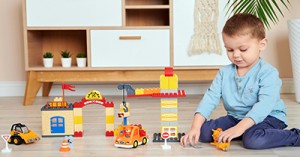
Child-centered learning is the heartbeat of high-quality early learning services—it places the child’s voice, interests, and wellbeing at the core of every decision, interaction, and environment. Here's a comprehensive look at what it means and how it transforms practice.
Here’s a cheat sheet for Quality Area 6: Collaborative Partnerships with Families and Communities from the NQS. This cheat sheet includes each standard, its elements, and practical examples tailored for early childhood settings.
Here's a practical Quality Area 5 Cheat Sheet that includes key standards, element breakdowns, and real-world examples that reflect emotionally intelligent, trauma-informed, and child-centered practice. This area focuses on building secure, respectful, and reciprocal relationships that support children’s wellbeing, belonging, and development.

Here's a breakdown of Exceeding Theme 3: Meaningful Engagement with Families and/or the Community across Quality Areas 1 to 7, tailored to your advocacy lens. This theme is all about co-constructing practice with families and communities—ensuring their voices shape decisions, environments, and outcomes.

Here's a comprehensive breakdown of Exceeding Theme 2:Practice is Informed by Critical Reflection across all quality areas 1 to 7 of the National Quality Standard (NQS). This theme emphasizes how services use deep, ongoing reflection to inform and improve their practices—not just occasionally, but as a core part of their culture.

Pedagogy in early childhood isn’t just about teaching—it’s about how we nurture, guide, and co-construct learning with our youngest citizens. It’s the heartbeat of early education, where relationships, play, and emotional safety shape every moment.

A: There’s no fixed number of observations required from educators across all early childhood services in Australia—it depends on your service’s philosophy, policies, and the needs of the children.

Here's a quick cheat sheet for Quality Area 4: Staffing Arrangements under the National Quality Standard (NQS) in Australian early childhood education. This area focuses on ensuring that staffing promotes children's learning and development.
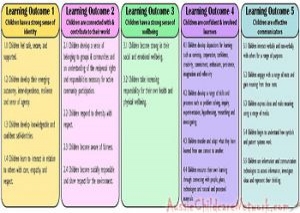 Here is the list of the EYLF Learning Outcomes that you can use as a guide or reference for your documentation and planning. The EYLF… Read More
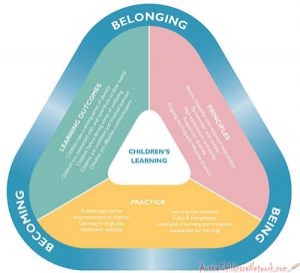 The EYLF is a guide which consists of Principles, Practices and 5 main Learning Outcomes along with each of their sub outcomes, based on identity,… Read More
 This is a guide on How to Write a Learning Story. It provides information on What Is A Learning Story, Writing A Learning Story, Sample… Read More
 One of the most important types of documentation methods that educators needs to be familiar with are “observations”. Observations are crucial for all early childhood… Read More
 To support children achieve learning outcomes from the EYLF Framework, the following list gives educators examples of how to promote children's learning in each individual… Read More
 Reflective practice is learning from everyday situations and issues and concerns that arise which form part of our daily routine while working in an early… Read More
 When observing children, it's important that we use a range of different observation methods from running records, learning stories to photographs and work samples. Using… Read More
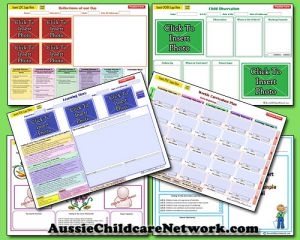 Within Australia, Programming and Planning is reflected and supported by the Early Years Learning Framework. Educators within early childhood settings, use the EYLF to guide… Read More
 This is a guide for educators on what to observe under each sub learning outcome from the EYLF Framework, when a child is engaged in… Read More
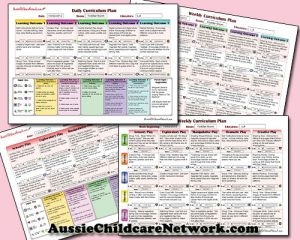 The Early Years Learning Framework describes the curriculum as “all the interactions, experiences, activities, routines and events, planned and unplanned, that occur in an environment… Read More
Among the key principles of the NQF is the valuing of Australia’s Aboriginal and Torres...
See more...
How you support work placement students can depend on your own position within the centre...
See more...
Indoor sand play is a sensory-rich, imaginative activity where children explore sand in contained environments...
See more...