



In early childhood education, qualifications are often seen as the benchmark of quality. Diplomas, degrees, and certificates line the walls of centres, signaling compliance and professional achievement. Yet research consistently shows that what truly shapes a child’s well-being and learning is not the paper on the wall, but the warmth, trust, and attunement in the relationships they experience every day.

Early childhood educators are entrusted with the profound responsibility of nurturing and protecting young children. Yet, many educators face daily challenges when children exhibit violent behaviours like biting, hitting, scratching, or verbal aggression. While child protection is paramount, the rights and well-being of educators must also be safeguarded.

In early childhood settings, every child deserves to be seen, heard, and held in emotionally safe environments. But when group sizes swell beyond developmental best practice, connection suffers, and so does care.
Large groups can dilute relationships, overwhelm educators, and compromise inclusion. Babies need calm, responsive spaces. Toddlers thrive in predictable, nurturing environments. Preschoolers flourish when their voices are heard—not lost in the crowd.
Across the globe, countries like New Zealand and Denmark cap group sizes to protect developmental well-being. In Australia, while ratios are regulated, group sizes often exceed what’s optimal, especially for infants and children with additional needs.
It’s time to ask: How many is too many?
And more importantly: What does quality care truly require?

In early childhood education, hiring the right educator isn’t just about filling a vacancy, it’s about safeguarding children’s well-being, nurturing relational culture, and protecting the integrity of your service. A qualification alone doesn’t guarantee competence. What matters is how an educator shows up: emotionally attuned, ethically grounded, and ready to co-create safety and joy with children, families, and colleagues. Here’s a practical, sector-savvy approach to identifying truly capable educators before they enter your team.

Teaching emotional attunement requires more than knowledge—it demands presence, practice, and a culture that values connection. This guide offers a layered approach to help educators grow their capacity to notice, interpret, and respond to emotional cues with care and confidence.

A: Group time is not strictly necessary, but when thoughtfully designed, it can be a powerful tool for fostering connection, communication, and community in early childhood settings.
Here’s a clear and practical guide for ECEC Services in NSW based on the compliance and quality history display requirements outlined on the NSW Education website.

Educator ratios must be upheld at all times, including during care tasks unless supervision is compromised, in which case coverage is legally required. Here’s a guide to help educators understand their rights and responsibilities around ratios and supervision, with more examples and direct links to authoritative sources.

In the ongoing discourse around quality early childhood education, educator-to-child ratios often dominate the conversation. While ratios are undeniably important for supervision and safety, a critical yet under-addressed factor is the physical space allocated to each child. The reality is stark: even with ideal ratios, overcrowded rooms can undermine well-being, learning outcomes, and emotional safety.

Gossip is more than idle chatter; it’s a signal. In early childhood settings, where emotional labor runs high and relationships form the bedrock of quality practice, gossip can quietly unravel team cohesion. It erodes trust, fractures relationships, and creates emotional harm. But beneath the surface, gossip often reflects unmet needs, fear, and disconnection. The following article explores how restorative leadership can transform gossip into growth, offering practical strategies to rebuild emotional safety and team culture.
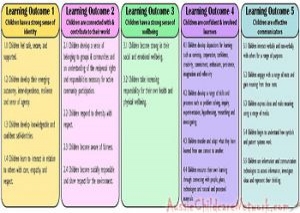 Here is the list of the EYLF Learning Outcomes that you can use as a guide or reference for your documentation and planning. The EYLF… Read More
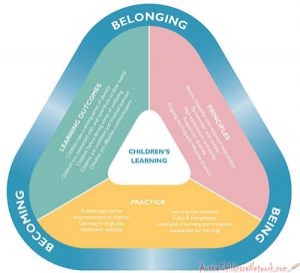 The EYLF is a guide which consists of Principles, Practices and 5 main Learning Outcomes along with each of their sub outcomes, based on identity,… Read More
 This is a guide on How to Write a Learning Story. It provides information on What Is A Learning Story, Writing A Learning Story, Sample… Read More
 One of the most important types of documentation methods that educators needs to be familiar with are “observations”. Observations are crucial for all early childhood… Read More
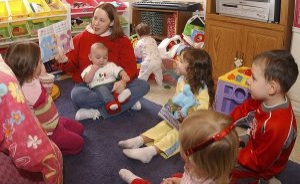 To support children achieve learning outcomes from the EYLF Framework, the following list gives educators examples of how to promote children's learning in each individual… Read More
 Reflective practice is learning from everyday situations and issues and concerns that arise which form part of our daily routine while working in an early… Read More
 When observing children, it's important that we use a range of different observation methods from running records, learning stories to photographs and work samples. Using… Read More
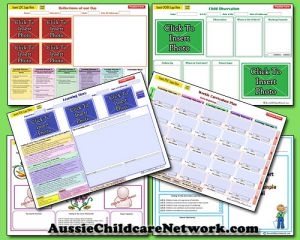 Within Australia, Programming and Planning is reflected and supported by the Early Years Learning Framework. Educators within early childhood settings, use the EYLF to guide… Read More
 This is a guide for educators on what to observe under each sub learning outcome from the EYLF Framework, when a child is engaged in… Read More
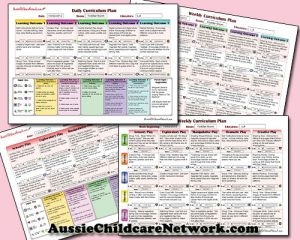 The Early Years Learning Framework describes the curriculum as “all the interactions, experiences, activities, routines and events, planned and unplanned, that occur in an environment… Read More

Building secure, trusting relationships is the heart of early childhood education, and EYLF Outcome 1.1...
See more...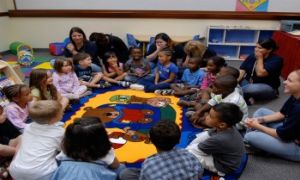
When working as a casual, do you know your rights and entitlements? What are your...
See more...
Stories shape how children make sense of their world. When we tell stories through a...
See more...