



Early childhood services often require staff to arrive before their rostered start time, to set up rooms, prepare learning materials, or ensure safety checks are complete. But when does this preparation count as paid work?

When children are pressured to immediately say “sorry” after causing harm, they often learn that apologies are just words, a quick escape from discomfort. This teaches compliance, not compassion. It can unintentionally encourage dishonesty, as children may say the words without truly meaning them.

The Department of Education has introduced partial assessment and rating as a streamlined way to keep service ratings current under the NQS. This approach reduces preparation burden, allows quicker recognition of improvements, and ensures families have confidence in the quality of education and care services.

Family celebrations in early childhood services, Mother’s Day, Father’s Day, and Grandparents’ Day are more than just dates on the calendar. They are cultural anchors that help children express gratitude and build identity. Yet, as inclusivity policies evolve, services face a pressing question: should we rename these days to avoid exclusion or preserve them as distinct recognitions of caregiving roles?
The childcare sector in Australia includes both for‑profit providers (like G8 Education) and nonprofit services (often community or council‑run). While families often focus on fees and convenience, educators experience the differences most directly in their daily work, professional development, and job security.

Educators in early childhood services often carry immense responsibility, balancing compliance, pedagogy, and family engagement. While many appear resilient during peak stress periods, the effects often surface later. This phenomenon, known as a delayed stress response, can have significant consequences for well-being, service quality, and career longevity.

In recent weeks, many centres have begun noticing a new pressure point: educators struggling to attend shifts due to the rising cost of fuel. While this is completely understandable given the current economic climate, it is creating ripple effects across teams: coverage gaps, increased stress, and added strain on those stepping in to fill the roster.

Every time a shocking case of child abuse surfaces, the sector braces for another wave of reactionary policies. Device bans, endless training modules, and compliance paperwork pile up on educators who already uphold professional standards. Yet none of these measures address the core issue: ratios.
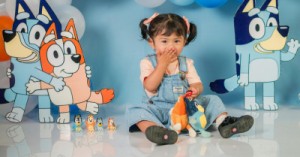
Bluey Listen Along offers audio-only versions of favorite episodes, mixed by Bluey’s sound designer, Dan Brumm. With twenty new episodes now available, including Markets, Taxi, Squash, Grandad, Pizza Girls, and Faceytalk. Educators have a fresh toolkit for creating calm, imaginative rest-time environments. Available free on the ABC KIDS Listen app.

From 27 February 2026, it is now a legal requirement that every decision and action in early childhood education and care services must put the safety, rights, and best interests of children first. This change elevates what was once a guiding principle under the NQF into a statutory duty.
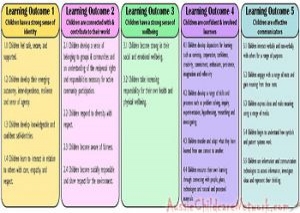 Here is the list of the EYLF Learning Outcomes that you can use as a guide or reference for your documentation and planning. The EYLF… Read More
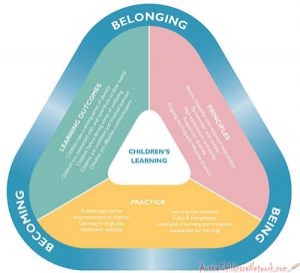 The EYLF is a guide which consists of Principles, Practices and 5 main Learning Outcomes along with each of their sub outcomes, based on identity,… Read More
 This is a guide on How to Write a Learning Story. It provides information on What Is A Learning Story, Writing A Learning Story, Sample… Read More
 One of the most important types of documentation methods that educators needs to be familiar with are “observations”. Observations are crucial for all early childhood… Read More
 To support children achieve learning outcomes from the EYLF Framework, the following list gives educators examples of how to promote children's learning in each individual… Read More
 Reflective practice is learning from everyday situations and issues and concerns that arise which form part of our daily routine while working in an early… Read More
 When observing children, it's important that we use a range of different observation methods from running records, learning stories to photographs and work samples. Using… Read More
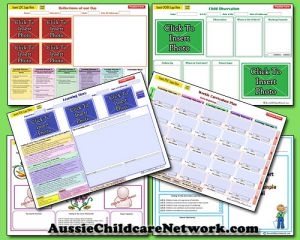 Within Australia, Programming and Planning is reflected and supported by the Early Years Learning Framework. Educators within early childhood settings, use the EYLF to guide… Read More
 This is a guide for educators on what to observe under each sub learning outcome from the EYLF Framework, when a child is engaged in… Read More
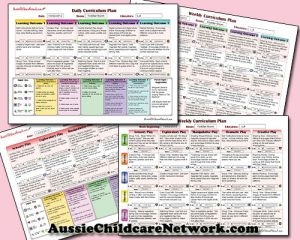 The Early Years Learning Framework describes the curriculum as “all the interactions, experiences, activities, routines and events, planned and unplanned, that occur in an environment… Read More

One of the greatest French artists of the 20th century, Henri Matisse is known for...
See more...
Boosting team spirit and showing appreciation in a meaningful way can really make a difference...
See more...
Observation, linking EYLF Outcomes and evaluation are the backbone of meaningful documentation. Yet many educators...
See more...