



Introducing Indigenous Australian stories to young children is vital for fostering cultural awareness, respect, and understanding. It teaches children about the histories and realities of Aboriginal and Torres Strait Islander peoples, promoting empathy and inclusivity, and emphasizes the importance of caring for the land and respecting nature, instilling a sense of responsibility in young readers.
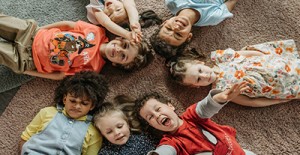
Yulunga means playing in the language of the Kamilaroi (Gamori) people of northwestern New South Wales. Suitable for preschool children, Yulunga can be used as an educational resource and as a guide to inclusive, structured sport within communities, developed by the Australian Sports Commission.
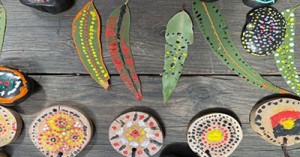
Incorporating Indigenous resources into playspaces helps create a culturally rich and inclusive environment that fosters respect, learning, and connection to First Nations traditions. Here are some ways to modify playspaces meaningfully to incorporate Aboriginal and Torres Strait Islander resources.
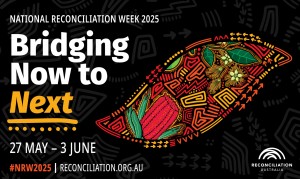
National Reconciliation Week (NRW) is an annual event, held from May 27 to June 3, that encourages all Australians to learn about the nation's shared histories, cultures, and achievements. Reconciliation Australia has free print-ready National Reconciliation Posters to download; they are also mailing printed posters by request, and free posters will be available at Officeworks nationwide.

A RAP, or Reconciliation Action Plan, is a formal framework designed to promote reconciliation between Indigenous and non-Indigenous Australians. It outlines practical actions to foster respectful relationships, create opportunities, and celebrate the rich cultures of Aboriginal and Torres Strait Islander peoples. The following article provides information on How To Develop A RAP, Examples of Initiatives To Include In A RAP, Creating A Reconciliation Action Plan, RAP Framework, Examples, and more.
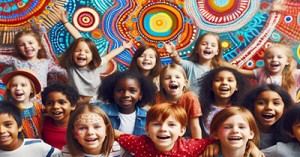
Here are several ideas for an outdoor experience that weaves together sustainability and Aboriginal perspectives/culture in a way that feels authentic, respectful, and engaging for young children.
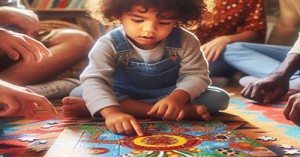
NSW Early Childhood Education is inviting early childhood education and care (ECEC) services to engage with the Aboriginal Cultural Safety Framework in a 10-week program.
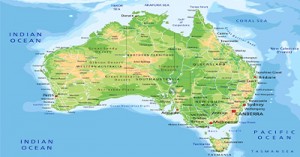
First Languages Australia, in partnership with local language centres across Australia, has developed an interactive map to display and promote the diversity of Aboriginal and Torres Strait Islander languages.

ABC Kids has created a new lullaby to support children's transition to quiet time and bedtime. This beautiful track was written and performed by Christine Anu. Piki Lullaby includes the Kalaw Kawaw Ya/Kala Lagaw Ya language from Zenadth Kes (Torres Strait). Piki Lullaby was created on the lands of the Darumbal and Gadigal people.
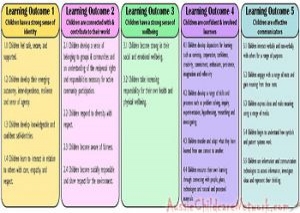 Here is the list of the EYLF Learning Outcomes that you can use as a guide or reference for your documentation and planning. The EYLF… Read More
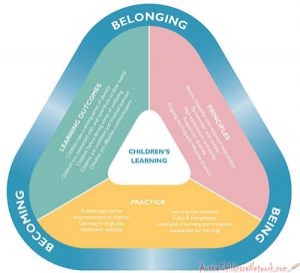 The EYLF is a guide which consists of Principles, Practices and 5 main Learning Outcomes along with each of their sub outcomes, based on identity,… Read More
 This is a guide on How to Write a Learning Story. It provides information on What Is A Learning Story, Writing A Learning Story, Sample… Read More
 One of the most important types of documentation methods that educators needs to be familiar with are “observations”. Observations are crucial for all early childhood… Read More
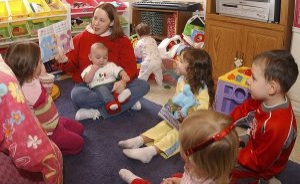 To support children achieve learning outcomes from the EYLF Framework, the following list gives educators examples of how to promote children's learning in each individual… Read More
 Reflective practice is learning from everyday situations and issues and concerns that arise which form part of our daily routine while working in an early… Read More
 When observing children, it's important that we use a range of different observation methods from running records, learning stories to photographs and work samples. Using… Read More
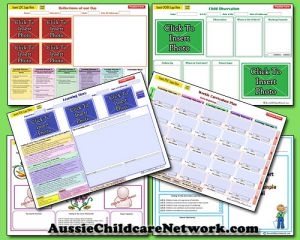 Within Australia, Programming and Planning is reflected and supported by the Early Years Learning Framework. Educators within early childhood settings, use the EYLF to guide… Read More
 This is a guide for educators on what to observe under each sub learning outcome from the EYLF Framework, when a child is engaged in… Read More
 The Early Years Learning Framework describes the curriculum as “all the interactions, experiences, activities, routines and events, planned and unplanned, that occur in an environment… Read More

Diwali, India's biggest and most important holiday of the year, is on the 31st of...
See more...
The early years are a time of dizzying changes which affect not just the physical...
See more...
When children apply paint to paper, glue things together, or pound a lump of clay...
See more...