


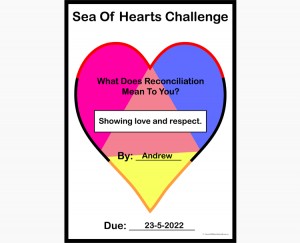
This template is for services to participate in the Sea Of Hearts challenge for National Reconciliation Week 2025.From the 27th of May, 2025, to the 3rd of June, we celebrate Reconciliation Week. Connecting the Dots Through Culture has developed this challenge.
From the 27th of May, 2022 to the 3rd of June, we celebrate Reconciliation Week, Connecting The Dots Through Culture has developed the Sea Of Hearts Challenge.

On Wednesday 25 May 2022 join ARACY for a webinar with guest speakers William Tilmouth and Jane Vadiveloo from the Children’s Ground to discuss their work in bringing Indigenous languages and practices to the forefront in their Early Childhood Care and Education programs.
On Tuesday, May 3, Educators are invited to a free webinar, hosted by Narragunnawali, that will unpack the 2022 National Reconciliation Week (NRW) theme, “Be Brave. Make Change.” The webinar will explore ways Educators incorporate reconciliation and share some practical ideas for learning about and celebrating the theme in early childhood services.
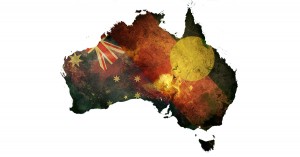
Among the key principles of the NQF is the valuing of Australia’s Aboriginal and Torres Strait Islander cultures. Recognising and including Aboriginal and Torres Strait Islander peoples and cultures forms the bedrock of not only reconciliation but of the broader process to foster respect for diversity and cultural competence. Here are some practical steps that educators can take to bring about deeper reconciliation and inclusion in service goals and practices.
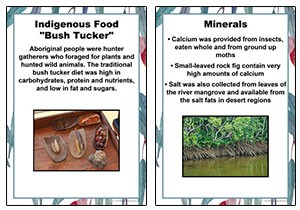
The Bush Tucker Posters detail information on the nutrition bush tucker foods provides to the Aboriginal people. These posters can be used as a display and to start conversations with children on bush tucker.
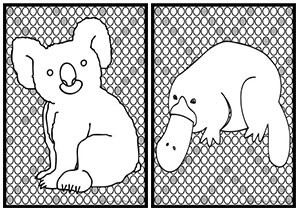
The Australian Dot Colouring provides 8 Australian animals on a background of dots. Children can make patterns using different colour paints, textas, crayons, cotton swabs etc. Originally, indigenous people of Australia used dots to disguise the sacred meanings behind the stories in the paintings. They drew designs that included dots on the soil, sand, and made body paintings for ceremonies because they could easily erase them as they were considered sacred.
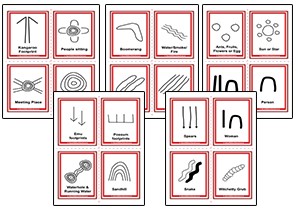
Aboriginal Symbols are symbolic language that Indigenous Australians use to tell stories of the Dreamtime and are used in contemporary art. Using these aboriginal symbol flashcards, children can be introduced to Indigenous Culture. These flashcards can be used in numerous ways to extend upon children knowledge.
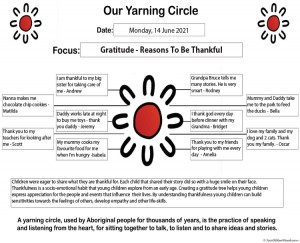
This template is to use to document the discussions during Yarning Circle.
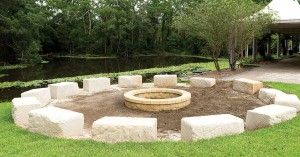
A yarning circle is the practice of speaking and listening from the heart, for sitting together to talk and listen and share ideas and stories.
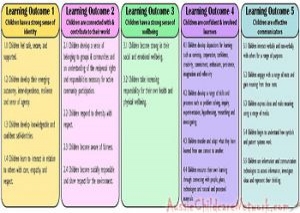 Here is the list of the EYLF Learning Outcomes that you can use as a guide or reference for your documentation and planning. The EYLF… Read More
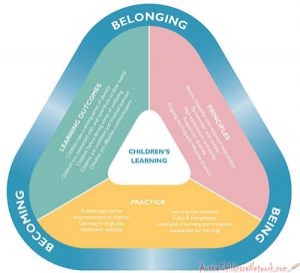 The EYLF is a guide which consists of Principles, Practices and 5 main Learning Outcomes along with each of their sub outcomes, based on identity,… Read More
 This is a guide on How to Write a Learning Story. It provides information on What Is A Learning Story, Writing A Learning Story, Sample… Read More
 One of the most important types of documentation methods that educators needs to be familiar with are “observations”. Observations are crucial for all early childhood… Read More
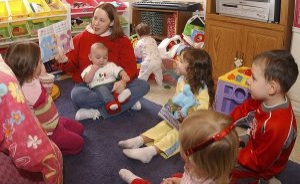 To support children achieve learning outcomes from the EYLF Framework, the following list gives educators examples of how to promote children's learning in each individual… Read More
 Reflective practice is learning from everyday situations and issues and concerns that arise which form part of our daily routine while working in an early… Read More
 When observing children, it's important that we use a range of different observation methods from running records, learning stories to photographs and work samples. Using… Read More
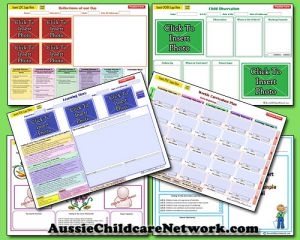 Within Australia, Programming and Planning is reflected and supported by the Early Years Learning Framework. Educators within early childhood settings, use the EYLF to guide… Read More
 This is a guide for educators on what to observe under each sub learning outcome from the EYLF Framework, when a child is engaged in… Read More
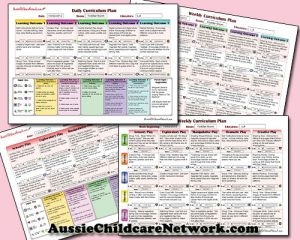 The Early Years Learning Framework describes the curriculum as “all the interactions, experiences, activities, routines and events, planned and unplanned, that occur in an environment… Read More

Most of our Premium and Free Templates are available in MS Word version. This is...
See more...
Pregnancy is often described as a season of joy and anticipation. For early childhood educators...
See more...
Celebrating children’s achievements in early childhood is crucial for their development and self-esteem. The following...
See more...