On 30 July, we celebrate the International Day of Friendship (UN). It is a day that promotes the importance and roles that friendship play in promoting peace in many cultures.
It's a day for celebrating friendship regardless of race, colour or religion. It is also intended to support the culture of peace and non-violence for the children of the world.
To celebrate Internation Day Of Friendship with children you can:
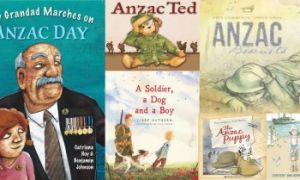
- Read stories on friendship
- Make friendship cards to share with one another
- Make friendship bracelets to share.
- Put together a friendship banner to display
- Discuss why it's important to be friends and qualities of a friends
- Create a friendship handprint flower
- Make a friendship photo display wall
Here are a couple of songs and rhymes on friends that the children can learn:
Friendship art and craft include:
Fingerprint Friendship Tree - A simple way for a child to remember their friends.
Friendship Quilt - Create a colourful friendship quilt using coloured paper and a variety of different materials.
For Educators, the following article "Supporting Children Developing Friendships" provides information on The Benefits of Childhood Friendships, strategies on Supporting Children Developing Friendships, Dealing With Friendship Problems and more.
Friendship Day Portfolio Templates
To celebrate International Day of Friendship (30 July), here are a range of Friendship Templates that can be added to individual portfolios.
Friendship Day - Circle: The "Friendship Day - Circle" Template is a template that can be added to a child's portfolio as a reminder of the friends they have had during their time within the service.
Friendship Day: This template can be added to an individual child's portfolio. It enables you to add images of a child with their friend and also has 4 questions that the child can answer in regards to their friends. It also comes with a Winnie The Pooh theme.
Friendship Day - Jungle: This template will help a child to remember the fun they had with their friends. It's a simple template where you include the photo of the child with their friends. It could be one friend or a group of friends. The template also includes a sweet little quote and a jungle theme.
Friendships, bring pleasure, comfort, and important opportunities to learn and develop in a social world.
 The Children’s Services Award introduces a streamlined classification system and updated pay rates designed to better recognise the skills, qualifications, and responsibilities of early childhood
 The Children’s Services Award has 8 clear levels. These levels make it easier to understand where you fit, based on your experience, qualifications, and responsibilities.
 When working as a qualified early childhood teacher (with a university degree) within a service, your rate of pay will come from the Educational Services
 Diploma-qualified educators play a vital role in early childhood services, taking on responsibilities that range from supporting children’s learning and development to leading rooms and
 Certificate III qualified educators form the backbone of early childhood services, providing essential care and learning support for children across all settings. Their wages under
 Early Childhood Teachers (ECTs) play a vital role in leading curriculum and pedagogy in early learning settings. Regulation 272 of the Education and Care Services
 Discover how school readiness programs support children’s independence, confidence, and skills for a successful transition into primary school.
 When an Educator is not performing their tasks or responsibilities at best practice, these issues need to be addressed for the Educator to understand where
 Educators can maximise tax deductions by claiming classroom supplies, training, union fees, and home office costs this financial year.
 A staff appraisal is a formal, systematic process of determining and reviewing the performance of early childhood educators over a period of time, usually a