


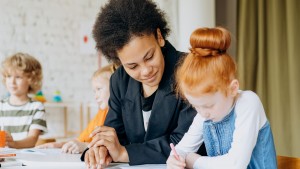
Quality Area 5 (Relationships with Children) of the NQS focuses on fostering respectful, responsive, and meaningful interactions that nurture children’s sense of belonging, security, and wellbeing. While assessors often rely on observation and discussion, many services find it helpful to collate supporting documentation in a dedicated evidence folder. This provides clarity, consistency, and confidence when demonstrating compliance, while also celebrating the quality of relationships within the service.
Quality Area 5 of the National Quality Standard focuses on Relationships with Children, ensuring that interactions are respectful and responsive and promote children’s sense of security and belonging. Below are practical examples of how this can be implemented in the workplace.
Here's a practical Quality Area 5 Cheat Sheet that includes key standards, element breakdowns, and real-world examples that reflect emotionally intelligent, trauma-informed, and child-centered practice. This area focuses on building secure, respectful, and reciprocal relationships that support children’s wellbeing, belonging, and development.
Quality Area 5: Relationships with Children is fundamental in early childhood education as it lays the groundwork for a nurturing and supportive learning environment. Here are some key terms and concepts central to this quality area.
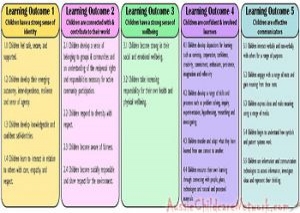 Here is the list of the EYLF Learning Outcomes that you can use as a guide or reference for your documentation and planning. The EYLF… Read More
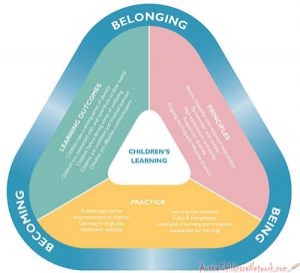 The EYLF is a guide which consists of Principles, Practices and 5 main Learning Outcomes along with each of their sub outcomes, based on identity,… Read More
 This is a guide on How to Write a Learning Story. It provides information on What Is A Learning Story, Writing A Learning Story, Sample… Read More
 One of the most important types of documentation methods that educators needs to be familiar with are “observations”. Observations are crucial for all early childhood… Read More
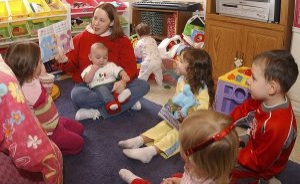 To support children achieve learning outcomes from the EYLF Framework, the following list gives educators examples of how to promote children's learning in each individual… Read More
 Reflective practice is learning from everyday situations and issues and concerns that arise which form part of our daily routine while working in an early… Read More
 When observing children, it's important that we use a range of different observation methods from running records, learning stories to photographs and work samples. Using… Read More
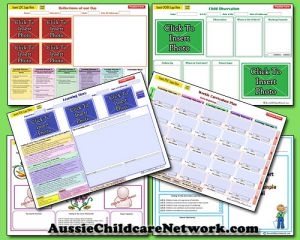 Within Australia, Programming and Planning is reflected and supported by the Early Years Learning Framework. Educators within early childhood settings, use the EYLF to guide… Read More
 This is a guide for educators on what to observe under each sub learning outcome from the EYLF Framework, when a child is engaged in… Read More
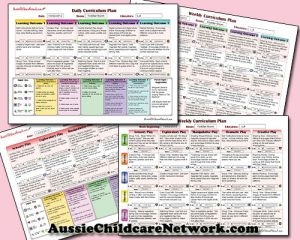 The Early Years Learning Framework describes the curriculum as “all the interactions, experiences, activities, routines and events, planned and unplanned, that occur in an environment… Read More

There are a significant number of educators undertaking study to gain formal qualifications. There is...
See more...
Love Monster is a sweet book about love, friendship, frustration, loneliness and being different. The monster lives...
See more...
School readiness has traditionally understood children’s numeracy skills as their ability to count, order and...
See more...