


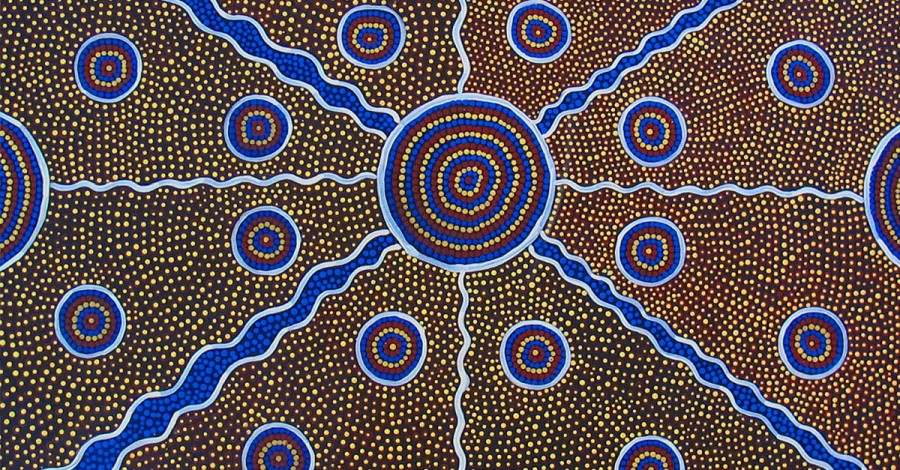
With the support of key Wurundjeri Elders, the Victorian Aboriginal Corporation for Languages (VACL) collaborated with New Zealand digital production and Thornbury Primary School students to create digital stories.
Three Wurundjeri Creation Stories were chosen and translated into Woi Wururung and English languages. Fifteen Indigenous students created illustrations and recorded narratives for the digital storybooks. The stories include:
- Why the Koala Doesn’t Drink Water - The traditional story from the Wurundjeri people, the Traditional Owners of the Melbourne district of Australia, of why the Koala doesn’t drink water.
- How The PlatyPus Was Made - The traditional story from the Wurundjeri people, the Traditional Owners of the Melbourne district of Australia, of how the Platypus came to be.
- Why Bats and Black - The traditional story from the Wurundjeri people, the Traditional Owners of the Melbourne district of Australia, of how Bats came to be black.
These apps are available for FREE download: Victorian Aboriginal Corporation for Languages
Educators can incorporate these digital stories into the children's learning. Learning Aboriginal Languages has shown enormous benefits for both Indigenous and non-Indigenous children. The language programs have fostered reconciliation, collaboration, pride and an enriched sense of identity, which has overflowed into the community as a whole. These benefits have also extended into the homes of children who are more engaged with the Aboriginal culture within the Service.
Reference:
VACL, "New Woi Wurrung Language Apps", ABC News, 21 May 2015




 Educators urge a national reading strategy, as fewer children read for fun, highlighting the urgent need for libraries and literacy support.
 Educators face a funding debate as Shelton urges subsidies for parents, highlighting safeguarding, equity, and the value of early learning centres.
