


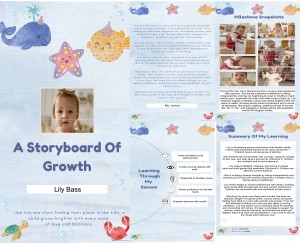
This template can be used as a summative assessment for babies.

A: In terms of best practice, not every single piece requires a long, formal reflection, but each should invite at least a moment of intentional consideration.
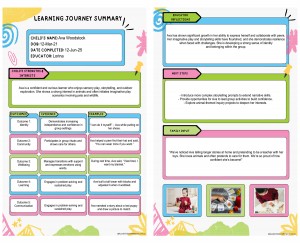
This template can be used as a summative assessment.
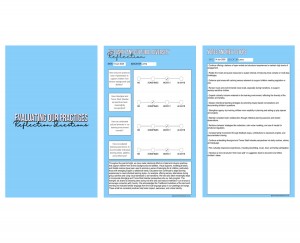
This template consists of 7 pages to reflect on practices within an early childhood service.
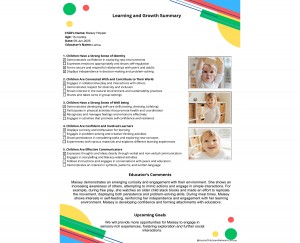
This template is to be used as a summary of a child's learning.
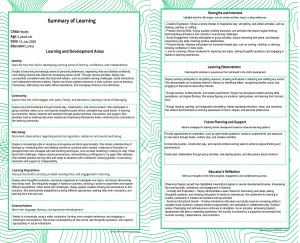
This template is to be used to summarize a child's learning.

The following lists reflection questions to help educators develop cultural competence in early childhood settings.
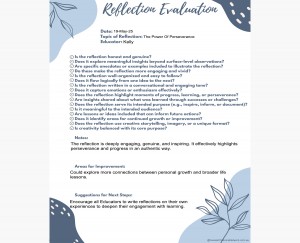
This template is to be used for assessing and enhancing the quality of reflections.

A: The essence of reflection lies in its depth and authenticity—a well-articulated reflection can transport the reader into the moment, spark emotions, and leave lasting lessons. The joy of learning, perseverance, discovery, and growth breathe life into the concept of reflection, the kind that celebrates the humanity and unpredictability of education and development. It’s not about ticking boxes; it’s about telling tales of triumphs, struggles, and the endless curiosity that fuels progress. Here are some ideas to make reflections more inspiring and impactful:

The following lists reflection questions designed to help educators reflect on how sustainability is embedded into their practices.
 The Children’s Services Award introduces a streamlined classification system and updated pay rates designed to better recognise the skills, qualifications, and responsibilities of early childhood… Read More
 The Children’s Services Award has 8 clear levels. These levels make it easier to understand where you fit, based on your experience, qualifications, and responsibilities.… Read More
 When working as a qualified early childhood teacher (with a university degree) within a service, your rate of pay will come from the Educational Services… Read More
 Diploma-qualified educators play a vital role in early childhood services, taking on responsibilities that range from supporting children’s learning and development to leading rooms and… Read More
 Certificate III qualified educators form the backbone of early childhood services, providing essential care and learning support for children across all settings. Their wages under… Read More
 Early Childhood Teachers (ECTs) play a vital role in leading curriculum and pedagogy in early learning settings. Regulation 272 of the Education and Care Services… Read More
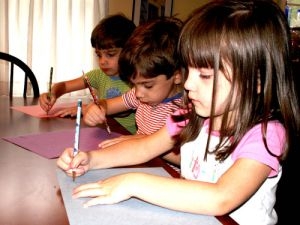 Discover how school readiness programs support children’s independence, confidence, and skills for a successful transition into primary school.
Read More
Discover how school readiness programs support children’s independence, confidence, and skills for a successful transition into primary school.
Read More
 When an Educator is not performing their tasks or responsibilities at best practice, these issues need to be addressed for the Educator to understand where… Read More
 Educators can maximise tax deductions by claiming classroom supplies, training, union fees, and home office costs this financial year.
Read More
Educators can maximise tax deductions by claiming classroom supplies, training, union fees, and home office costs this financial year.
Read More
 A staff appraisal is a formal, systematic process of determining and reviewing the performance of early childhood educators over a period of time, usually a… Read More

In early childhood education, the role of the Educational Leader is both visionary and grounded...
See more...
Mentoring is one of the most powerful tools we have as leaders. It’s not about...
See more...
As CCTV becomes a more common feature in Australian early learning centres, especially in response...
See more...