



Emotional regulation refers to the ability to recognize, understand, and manage one's emotions in a way that is appropriate for the situation. It involves strategies and skills that help individuals control their emotional reactions, maintain balance, and respond to challenges constructively. The following article provides 30 fun and effective emotional regulation activities designed for children aged 2–4 years to help them understand and manage their feelings.

Emotional Intelligence is now widely accepted as a fundamental life skill which can be nurtured even in young children. Identifying, labelling and talking about emotions not only helps them regulate their own emotions but also tune in to how people are feeling around them. The following article provide strategies on teaching children about emotions.

Creating a supportive environment where children feel safe to express their emotions is crucial for their emotional and social development. The following article provides information for Strategies To Encourage Children To Express Emotions Activities For Toddlers and Preschoolers, Emotion Vocabulary, Activities to Build Emotion Vocabulary, Activities to Build Emotion Vocabulary, What To Do When A Child Is Angry, What To Do When A Child Is Being Violent/Aggressive, What To Do If A Child Hits You, Alternative Behaviours and more.

This feelings rhyme is sung in the tune of "I'm A Little Teapot" and is simple for both toddlers and preschoolers. It describes facial features when someone is happy and sad.

This song is a fun way for kids to learn how to identify and regulate their emotions.

This action song names feelings that children may have. It also includes actions for children to do during the song. This is great for children to name feelings that they may experience.

This is an easy song, especially for young children, that enables them to identify different emotions and how we respond to those emotions. This song enables children to act out different feelings throughout the song.

These sets of feelings flashcards provides a visual representation of a specific feeling. They can be used as a tool to teach children to recognise and identify feelings and can be helpful in supporting a child to express and share their feelings.
 The Children’s Services Award introduces a streamlined classification system and updated pay rates designed to better recognise the skills, qualifications, and responsibilities of early childhood… Read More
 The Children’s Services Award has 8 clear levels. These levels make it easier to understand where you fit, based on your experience, qualifications, and responsibilities.… Read More
 When working as a qualified early childhood teacher (with a university degree) within a service, your rate of pay will come from the Educational Services… Read More
 Diploma-qualified educators play a vital role in early childhood services, taking on responsibilities that range from supporting children’s learning and development to leading rooms and… Read More
 Certificate III qualified educators form the backbone of early childhood services, providing essential care and learning support for children across all settings. Their wages under… Read More
 Early Childhood Teachers (ECTs) play a vital role in leading curriculum and pedagogy in early learning settings. Regulation 272 of the Education and Care Services… Read More
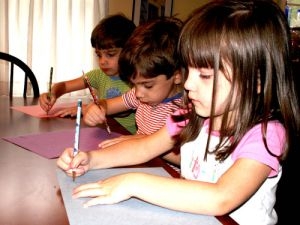 Discover how school readiness programs support children’s independence, confidence, and skills for a successful transition into primary school.
Read More
 When an Educator is not performing their tasks or responsibilities at best practice, these issues need to be addressed for the Educator to understand where… Read More
 Educators can maximise tax deductions by claiming classroom supplies, training, union fees, and home office costs this financial year.
Read More
 A staff appraisal is a formal, systematic process of determining and reviewing the performance of early childhood educators over a period of time, usually a… Read More

Setting meaningful goals helps educators grow professionally, strengthen practice, and enrich children’s learning experiences. This...
See more...
The Quality Improvement Plan is a living document guiding daily practice and growth.
See more...
Working in OSHC means being prepared for the unexpected. Children are naturally curious, and sometimes...
See more...