


Creating calming areas in early learning environments is about more than just aesthetics; it’s about offering children a safe, restorative space where they can regulate emotions, recharge, and feel secure. These spaces don’t need to be elaborate or expensive. With thoughtful setups and simple materials, educators can design corners that nurture well-being and support self-regulation.

Stepping into the role of director brings many responsibilities, and one of the most important is recruiting and supporting new trainees. For many candidates, this is their very first job in the sector. They may be young, inexperienced, and nervous, yet they hold the potential to grow into strong educators who enrich your team.
This article explores practical approaches to interviewing trainees, ensuring the process is supportive, insightful, and aligned with the values of early childhood education.

Family tree photo displays are more than just decorations; they are living stories within the learning environment. By showcasing the people who love and support each child, educators create a bridge between home and the early learning service. These displays nurture belonging, celebrate diversity, and remind children that their identities are valued. Whether crafted from branches, bulletin boards, or creative collages, family trees become powerful tools for emotional safety, cultural pride, and community connection.

Beginning your journey as a diploma-qualified educator is both exciting and challenging. You are stepping into a role that requires leadership, reflective practice, and a deeper understanding of compliance and curriculum design. This article outlines the expectations, guidance, and practical tips to help you thrive in your new position.

Early childhood classrooms are vibrant, bustling spaces filled with energy, exploration, and social interaction. While this environment nurtures many children, introverted learners may find constant stimulation overwhelming. Creating quiet corners offers a restorative solution—spaces where children can regulate emotions, recharge, and engage in learning at their own pace.

The return from holidays often brings mixed emotions for children: excitement, fatigue, and sometimes hesitation. As educators, we can harness this transitional moment by offering playful provocations: intentional activity setups that spark curiosity, re-energize routines, and invite children back into the joy of learning.

The start of a new year is the perfect time to refresh your learning environment. Small, intentional changes can spark curiosity in children, reduce stress for educators, and align beautifully with EYLF outcomes of belonging, being, and becoming. Here are practical strategies and examples to help you set the tone for 2026.

Beginning your journey as a Certificate III educator is both exciting and challenging. This role is the foundation of early childhood education and care, where you support children’s wellbeing, learning, and development while working alongside more experienced colleagues. You are not expected to know everything immediately—your role is about learning, contributing, and growing into a confident professional.
Cert III educators are often the heartbeat of the service. You’ll be hands-on in routines, play, and daily care, while gradually building your understanding of frameworks like the EYLF and the NQS. Think of this stage as laying bricks: every routine you master, every observation you make, and every relationship you build adds to the strong foundation of your career.

Prepare for early childhood education interviews with confidence. Discover common questions, learn how to showcase emotional intelligence, and explore sector‑specific examples to highlight your skills and values.

Discover practical strategies for educators to build strong family partnerships and effective parent-teacher communication channels at the start of the school year. Learn how to foster trust, inclusion, and collaboration with parents.
 The Children’s Services Award introduces a streamlined classification system and updated pay rates designed to better recognise the skills, qualifications, and responsibilities of early childhood… Read More
 The Children’s Services Award has 8 clear levels. These levels make it easier to understand where you fit, based on your experience, qualifications, and responsibilities.… Read More
 When working as a qualified early childhood teacher (with a university degree) within a service, your rate of pay will come from the Educational Services… Read More
 Diploma-qualified educators play a vital role in early childhood services, taking on responsibilities that range from supporting children’s learning and development to leading rooms and… Read More
 Certificate III qualified educators form the backbone of early childhood services, providing essential care and learning support for children across all settings. Their wages under… Read More
 Early Childhood Teachers (ECTs) play a vital role in leading curriculum and pedagogy in early learning settings. Regulation 272 of the Education and Care Services… Read More
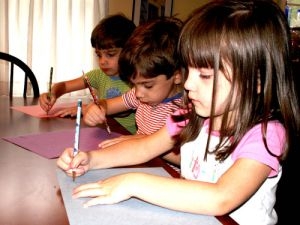 Discover how school readiness programs support children’s independence, confidence, and skills for a successful transition into primary school.
Read More
Discover how school readiness programs support children’s independence, confidence, and skills for a successful transition into primary school.
Read More
 Floorbook is a documentation approach that uses a large book with blank pages for children to record different aspects of their learning in small groups… Read More
 When an Educator is not performing their tasks or responsibilities at best practice, these issues need to be addressed for the Educator to understand where… Read More
 Educators can maximise tax deductions by claiming classroom supplies, training, union fees, and home office costs this financial year.
Read More
Educators can maximise tax deductions by claiming classroom supplies, training, union fees, and home office costs this financial year.
Read More

The transition from preschool to kindergarten isn’t just academic—it’s deeply social. As children move from...
See more...
Discover the childcare planning cycle made simple, from observations to follow-ups, with practical examples for...
See more...
ABC Kids has created a new lullaby to support children's transition to quiet time and...
See more...