


The start of a new year in the babies’ room is more than a calendar change; it’s a chance to reset, renew, and reimagine the environment where our youngest learners begin their journey. Creating a space that nurtures belonging, safety, and joyful exploration sets the tone for the months ahead.

The parent area in an early childhood service is more than just a sign-in/sign-out point. It is the first and last space families encounter each day, shaping their impressions of the service and influencing how connected they feel to their child’s learning journey. A thoughtfully designed parent area fosters communication, builds trust, and strengthens partnerships between educators and families.

Multilingualism is more than a skill, it’s a celebration of identity, culture, and belonging. In early childhood settings, embedding multiple languages into the environment helps children feel seen, families feel valued, and communities feel connected.

From the moment babies begin to drop spoons from their highchair to the elaborate delivery services preschoolers invent with carts and clipboards, children are engaging in schematic play. These repeated patterns of exploration, transporting, locating, seriation, combining, collecting, enveloping, and rotating are how children make sense of the world. Too often, adults misinterpret these actions as “messy” or “naughty.” In reality, they are the building blocks of mastery, innovation, and confidence. Our role as educators is to step back, observe, and scaffold, not interrupt.

Birthdays are milestones that matter deeply to children. In early childhood settings, a birthday wall display is more than decoration; it’s a visual celebration of belonging, identity, and joy. When educators design these displays thoughtfully, they create opportunities for children to feel seen, valued, and connected to their peers. A well-crafted birthday wall also links to the EYLF outcomes, supporting children’s sense of identity, community, and communication.

Starting the year as an educational leader is a powerful opportunity to shape culture, build trust, and scaffold quality practice. This guide outlines key priorities to help you lead with clarity, confidence, and care, especially in the first 4–6 weeks.

Employment contracts in early childhood education are more than paperwork; they define your rights, responsibilities, and protections. Before signing, educators should ensure the contract aligns with the Children’s Services Award [MA000120], the Fair Work Act, and NSW child protection laws.

Food play is more than sensory fun, it’s a gateway to learning across math, science, and cultural awareness. By engaging with food in playful, structured ways, children develop problem-solving skills, curiosity about the natural world, and respect for diverse traditions. Cooking activities also nurture fine motor skills, language development, and social collaboration.

Educational leadership made simple: expectations, guidance, and practical strategies to inspire teams, ensure compliance, and nurture children.

The beginning of a new year in early childhood education is more than just a fresh calendar; it’s an opportunity to set the tone for relationships, routines, and learning. A thoughtfully prepared environment helps children feel safe and excited, families feel welcomed and informed, and educators feel organized and confident.
 The Children’s Services Award introduces a streamlined classification system and updated pay rates designed to better recognise the skills, qualifications, and responsibilities of early childhood… Read More
 The Children’s Services Award has 8 clear levels. These levels make it easier to understand where you fit, based on your experience, qualifications, and responsibilities.… Read More
 When working as a qualified early childhood teacher (with a university degree) within a service, your rate of pay will come from the Educational Services… Read More
 Diploma-qualified educators play a vital role in early childhood services, taking on responsibilities that range from supporting children’s learning and development to leading rooms and… Read More
 Certificate III qualified educators form the backbone of early childhood services, providing essential care and learning support for children across all settings. Their wages under… Read More
 Early Childhood Teachers (ECTs) play a vital role in leading curriculum and pedagogy in early learning settings. Regulation 272 of the Education and Care Services… Read More
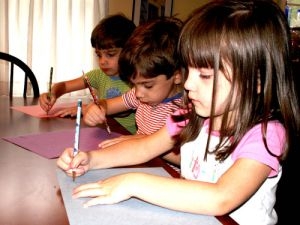 Discover how school readiness programs support children’s independence, confidence, and skills for a successful transition into primary school.
Read More
Discover how school readiness programs support children’s independence, confidence, and skills for a successful transition into primary school.
Read More
 When an Educator is not performing their tasks or responsibilities at best practice, these issues need to be addressed for the Educator to understand where… Read More
 Educators can maximise tax deductions by claiming classroom supplies, training, union fees, and home office costs this financial year.
Read More
Educators can maximise tax deductions by claiming classroom supplies, training, union fees, and home office costs this financial year.
Read More
 A staff appraisal is a formal, systematic process of determining and reviewing the performance of early childhood educators over a period of time, usually a… Read More
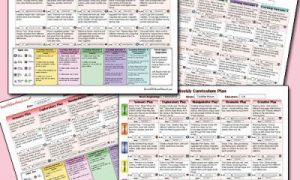
The Early Years Learning Framework describes the curriculum as “all the interactions, experiences, activities, routines...
See more...
As parents, we know the indescribable joy of seeing our child’s face light up when...
See more...
In early childhood education, the decision to defer a child’s school entry by a year...
See more...