
Carol Dweck (born October 17, 1946) is an American psychologist and professor at Stanford University, best known for her pioneering research on mindsets in learning and achievement. Her work on the growth mindset has transformed education worldwide, showing that children’s beliefs about intelligence and ability profoundly shape their motivation, resilience, and success.
Biography
Born: New York City, USA
Education: BA in Psychology (Barnard College, 1967); PhD in Psychology (Yale University, 1972)
Current Role: Lewis and Virginia Eaton Professor of Psychology, Stanford University
Research Focus: Motivation, personality, development, and the psychology of success
Influence: Her theories are applied globally in schools, workplaces, and parenting practices.
Theories of Carol Dweck
1. Fixed vs Growth Mindset
Fixed Mindset: Belief that intelligence and ability are static.
Growth Mindset: Belief that intelligence and ability can be developed through effort, strategies, and learning.
A fixed mindset means children believe their abilities and intelligence are set and cannot change, so they may avoid challenges and feel discouraged by mistakes. A growth mindset, on the other hand, helps children see effort and practice as ways to improve, encouraging them to embrace challenges and view mistakes as opportunities to learn. By fostering a growth mindset, educators and parents can nurture resilience, motivation, and confidence in children’s learning journey.
2. Impact on Learning
Children with a growth mindset embrace challenges, persist through setbacks, and see effort as a path to mastery.
The impact of growth mindset on learning is profound. When children believe their abilities can improve through effort and practice, they are more willing to take on challenges, persist through setbacks, and view mistakes as opportunities to grow. In contrast, a fixed mindset can make children avoid difficult tasks for fear of failure, limiting their progress. By fostering a growth mindset, educators and parents help children build resilience, motivation, and confidence, creating a positive cycle of learning and achievement.
3. Role of Praise
Dweck’s research shows that praising effort (“You worked hard”) rather than innate ability (“You’re smart”) fosters resilience and motivation.
The role of praise in child development is central to Carol Dweck’s growth mindset theory. When children are praised for their effort, strategies, and persistence, they learn that improvement comes through practice and resilience. This type of praise encourages them to embrace challenges and see mistakes as opportunities to grow. In contrast, praising innate ability (like saying “You’re smart”) can foster a fixed mindset, making children fear failure and avoid difficult tasks. By focusing on effort-based praise, educators and parents can nurture motivation, confidence, and a lifelong love of learning.
4. Applications Beyond Education
Her theories extend to sports, business, and personal development, influencing leadership and organisational culture.
Carol Dweck’s growth mindset theory has applications far beyond the classroom. In sports, athletes who adopt a growth mindset see setbacks as opportunities to train harder and improve their skills. In business, leaders encourage innovation and resilience by fostering cultures where mistakes are treated as learning experiences. In personal development, individuals use growth mindset principles to overcome challenges, build confidence, and pursue lifelong learning. By shifting focus from fixed ability to effort and persistence, Dweck’s ideas empower people in every field to embrace challenges and grow through them.
Applying Carol Dweck’s Theories in Early Childhood Settings
- Goal-Setting Activities Encourage children to set small, achievable goals (e.g., “I will write my name today”) and celebrate progress.
- Learning Journals Provide journals where children reflect on what they tried, what was hard, and how they improved.
- Peer Encouragement Create routines where children praise each other’s effort, not just outcomes.
- Growth-Oriented Stories Share books and stories about characters who overcome challenges through persistence.
- Effort Walls Display children’s work that shows persistence and improvement, not just “perfect” results.
- Process Praise in Play During play, highlight strategies children use (“You tried different blocks until it balanced!”).
- Teacher Modeling Share your own learning struggles and how you overcame them to normalize effort and mistakes.
- Challenge Stations Set up areas with puzzles, building tasks, or problem-solving games that require persistence.
Educator Tips
- Replace “You’re smart” with “You worked hard on that.”
- Encourage children to set goals and track progress.
- Model a growth mindset by sharing your own learning challenges.
- Create a culture where effort and persistence are valued.
Carol Dweck’s research on growth mindset reframes how educators view intelligence and learning. By fostering environments where effort, persistence, and resilience are celebrated, teachers can empower children to see challenges as opportunities and failures as stepping stones to success.
Further Reading
Child Theorists and Their Theories in Practice
Linking Theories To The EYLF
Applying Early Learning Theories
Activities That Link To Educational Theories
Early Childhood Theory Cheat Sheet For Documentation
Alison Gopnik – Cognitive Development Theorist
Ellen Beate Hansen Sandseter – Risky Play Theorist



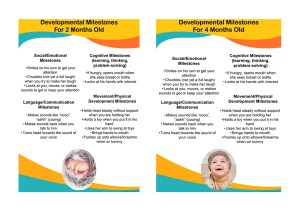
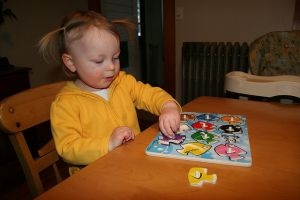 Toddlers have a greater understanding of the world around them by this stage. Their cognitive development (also known as intellectual development and thinking skills) continues
 Infants begin to develop trust when parents begin to fulfil their needs. Such as changing an infant's nappy when needed, feeding on request and holding
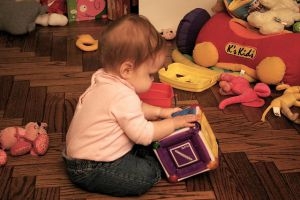 Beginning at birth the construction of thought processes, such as memory, problem solving, exploration of objects etc, is an important part of an infant’s cognitive
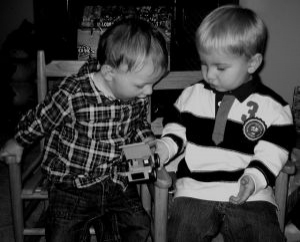 Toddlers want to do more on their own and do not like it when you begin to establish limits on their behaviour. Tantrums can become
 Your preschooler is now able to focus their attention more accurately and is less influenced by distractions. The intensity of questions increase as your child
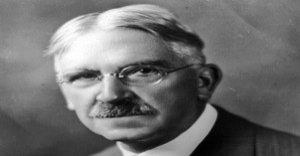 John Dewey is often seen as the proponent of learning by doing – rather than learning by passively receiving. He believed that each child was active,
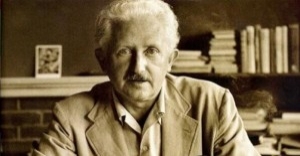 Erik Erikson developed a psychosocial theory to understand how we each develop our identities through eight stages of psychosocial development from infancy to adulthood. The
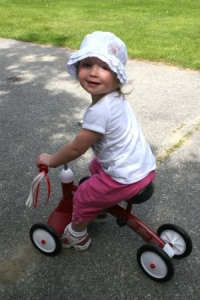 Toddler advance and gains new skills in Gross Motor Development milestones achieved throughout earlier years. Co-ordination and challenges that could not be performed before such
 At this point preschoolers begin to interact effectively with others. Play becomes more innovative and organized and “boyfriend” or “girlfriend” begins to emerge. Preschoolers have
 From now, babies begin to identify and respond to their own feelings, understanding other's feelings & needs and interact positively with others. A baby's social and