



In the fast-paced rhythm of early childhood settings, transitions often feel like logistical hurdles—moments to be managed, timed, and moved through. But what if we reframed them as sacred pauses? As opportunities to restore emotional safety, deepen connection, and honour the inner worlds of both children and educators?

In early childhood education, some of the most powerful interventions don’t come from elaborate programs or expensive resources. They come from the quiet, intentional words educators choose in moments of emotional intensity. When a child’s body is flooded with frustration, fear, or sadness, it’s not logic they need; it’s presence. And that presence often begins with a few carefully chosen words. This article explores how emotionally intelligent language, gentle presence, and intentional silence can transform a child’s experience of safety, identity, and belonging.

Preschoolers thrive in environments that balance consistency with novelty. They need time to revisit experiences to build mastery, but they also benefit from fresh provocations that spark curiosity. The challenge for educators is to design setups that are stable enough to support developmental progression, yet flexible enough to respond to children’s emerging interests.

Inquiry-based learners are curious, active participants in their own learning journey. Instead of passively receiving information, they ask questions, explore possibilities, and investigate real-world problems to construct their own understanding. The following is a breakdown of what defines an inquiry-based learner:
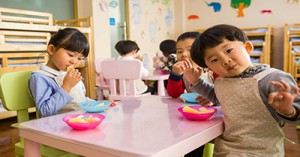
Gratitude songs before meals are more than just cheerful tunes; they’re rituals that nurture mindfulness, community, and appreciation in young children. By singing together, children learn to pause, acknowledge the effort behind their food, and celebrate the connections between nature, family, and community. These songs can be simple, repetitive, and symbolic, making them accessible for toddlers while still meaningful for older preschoolers.

In the wake of child abuse allegations and the rollout of policies like Four Eyes, early childhood educators are being asked to be more present, more vigilant, and more accountable. But presence alone is not enough. True safeguarding requires witnessing—not just watching. To witness is to be emotionally attuned, relationally responsive, and ethically grounded. It means seeing the child not as a subject of supervision, but as a whole person—worthy of affirmation, protection, and care.

In the wake of recent news, early childhood settings face a moral and professional imperative: to go beyond compliance and embed emotionally intelligent, culturally safe practices that truly protect children. This article introduces the Four V’s Framework—Visibility, Voice, Validation, and Vigilance, as a holistic model for safeguarding in early childhood education.

In light of the recent Four Corners investigation and the distressing realities it has brought to the surface, the following is a sample letter to share with families. This letter is designed to offer calm, transparent reassurance while reaffirming your service's commitment to safeguarding every child in your care. This letter may be used, edited, and adapted for your particular service to reassure families that their concerns are valid and their children are safe.

Long Service Leave (LSL) is a valuable entitlement that rewards employees for extended service with the same employer. For early childhood educators—who often work in emotionally demanding, relational roles—LSL offers a chance to rest, reflect, and recharge after years of contribution.

In educational environments, relationships with families are central to building trust, collaboration, and shared responsibility. However, when those relationships become strained, especially through verbal abuse, intimidation, or threats, leaders must act decisively to protect staff well-being and uphold respectful conduct. Aggression from families is not just emotionally damaging—it can compromise safety, morale, and the integrity of the learning environment. Addressing it requires a balance of legal awareness, relational leadership, and clear procedural action.
 Toddlers have a greater understanding of the world around them by this stage. Their cognitive development (also known as intellectual development and thinking skills) continues… Read More
 Infants begin to develop trust when parents begin to fulfil their needs. Such as changing an infant's nappy when needed, feeding on request and holding… Read More
 Beginning at birth the construction of thought processes, such as memory, problem solving, exploration of objects etc, is an important part of an infant’s cognitive… Read More
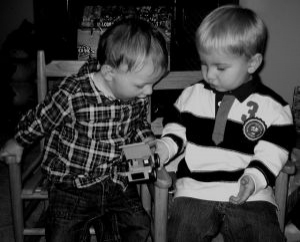 Toddlers want to do more on their own and do not like it when you begin to establish limits on their behaviour. Tantrums can become… Read More
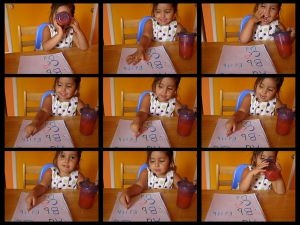 Your preschooler is now able to focus their attention more accurately and is less influenced by distractions. The intensity of questions increase as your child… Read More
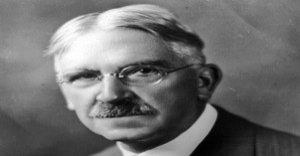 John Dewey is often seen as the proponent of learning by doing – rather than learning by passively receiving. He believed that each child was active,… Read More
 Erik Erikson developed a psychosocial theory to understand how we each develop our identities through eight stages of psychosocial development from infancy to adulthood. The… Read More
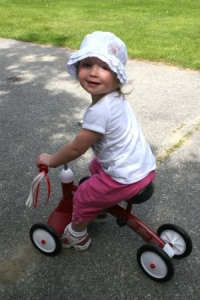 Toddler advance and gains new skills in Gross Motor Development milestones achieved throughout earlier years. Co-ordination and challenges that could not be performed before such… Read More
 At this point preschoolers begin to interact effectively with others. Play becomes more innovative and organized and “boyfriend” or “girlfriend” begins to emerge. Preschoolers have… Read More
 From now, babies begin to identify and respond to their own feelings, understanding other's feelings & needs and interact positively with others. A baby's social and… Read More
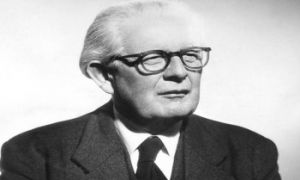
Piaget discovered that all children’s cognitive development progressed through four stages, beginning in infancy and...
See more...
Luckily not all toddlers have "temper tantrums" but if you are reading this article, well...
See more...
Phonological awareness covers the child’s ability to recognize and use the spoken parts of sentences...
See more...