



Over the next five years, educators across the sector will see steady, structured wage increases designed to lift pay to the new benchmark rates for each qualification level. These increases begin with a 5% rise in March 2026, followed by annual increases each 30 June, and finish with a small top‑up adjustment in the final year to ensure every educator reaches their correct new classification rate.


Attachment theory is a key concept in developmental psychology that examines the importance of early relationships between children and their Educators.The following article provides information on What Is Attachment Theory, Key Aspects of Attachment Theory, Significance of Strong, Secure Attachments, Practical Strategies For Attachment Theory, How Lack Of Attachment Can Impact On Development and more.

The Australian 24-Hour Movement Guidelines for the Early Years provide comprehensive recommendations for physical activity, sedentary behavior, and sleep for children from birth to 5 years. The following article provides information About The Australian 24-Hour Movement Guidelines for the Early Years, Key Recommendations, and more.

RPL is a process where your previous learning, skills, and experience are formally recognized towards a qualification. The following article provides information on Relevant Experience, Gathering Evidence, Application Process, Assessment and more.

A Cert 3 Educator in early childhood settings in Australia plays a vital role in providing high-quality education and care for young children. The following articles provides information on Key Responsibilities, Skills and Attributes of a Certificate 3 In Early Childhood Education.

The differences between a Certificate III and a Diploma in Early Childhood Education and Care depends on your career goals, current qualifications, and the level of responsibility you wish to take on. The following article provides information on the Cert 3 and Diploma in Early Childhood Education and Care.
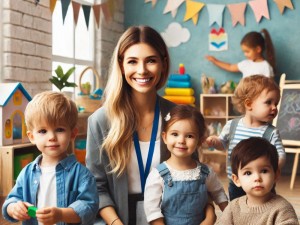
Traineeships in early childhood settings in Australia offer a fantastic opportunity to gain practical experience while earning a qualification. The following article provides information on the Types Of Traineeships Available, Cert 3 Traineeship, Diploma Traineeship, Benefits Of A Traineeship, What To Expect and more.

TAFE Queensland is offering fee-free entry-level Certificate III qualifications in Early Childhood Education and Care. The qualification is the minimum requirement for early childhood settings in Australia.

Fee-free early childhood education and care training are available to any eligible NSW resident, regardless of age, employment status or prior qualifications.
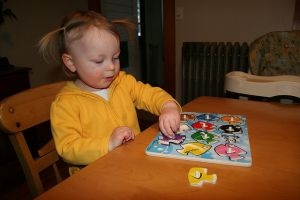 Toddlers have a greater understanding of the world around them by this stage. Their cognitive development (also known as intellectual development and thinking skills) continues… Read More
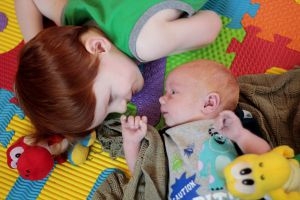 Infants begin to develop trust when parents begin to fulfil their needs. Such as changing an infant's nappy when needed, feeding on request and holding… Read More
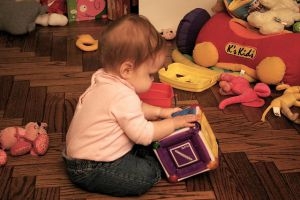 Beginning at birth the construction of thought processes, such as memory, problem solving, exploration of objects etc, is an important part of an infant’s cognitive… Read More
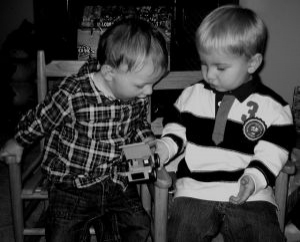 Toddlers want to do more on their own and do not like it when you begin to establish limits on their behaviour. Tantrums can become… Read More
 Your preschooler is now able to focus their attention more accurately and is less influenced by distractions. The intensity of questions increase as your child… Read More
 John Dewey is often seen as the proponent of learning by doing – rather than learning by passively receiving. He believed that each child was active,… Read More
 Erik Erikson developed a psychosocial theory to understand how we each develop our identities through eight stages of psychosocial development from infancy to adulthood. The… Read More
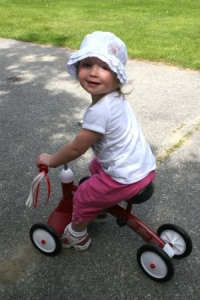 Toddler advance and gains new skills in Gross Motor Development milestones achieved throughout earlier years. Co-ordination and challenges that could not be performed before such… Read More
 At this point preschoolers begin to interact effectively with others. Play becomes more innovative and organized and “boyfriend” or “girlfriend” begins to emerge. Preschoolers have… Read More
 From now, babies begin to identify and respond to their own feelings, understanding other's feelings & needs and interact positively with others. A baby's social and… Read More
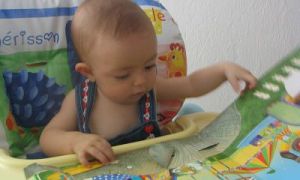
Babies use of language at this stage changes so much that it's hard to notice...
See more...
Tremendous advances in brain imaging technology over the last ten years have led to a...
See more...
Behaviour management can be challenging sometimes, with energetic toddlers and young children eager to explore...
See more...