


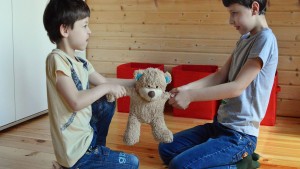
Preschool aggression: practical strategies for educators to protect children, uphold duty of care, and follow limited physical contact policies.

“No” is one of the most common words spoken in early childhood settings. It can be protective, but it can also be limiting. Each time we say "no", we are making a choice. A choice that reveals whether we are safeguarding children’s well-being or preserving adult convenience.

The Zones of Regulation are a self-regulation framework that helps children identify and manage their emotions, energy, and attention. In OOSH settings, where children transition between school, home, and care environments, this tool can be especially powerful for fostering independence, resilience, and social-emotional wellbeing.

Managing behaviour in Out of School Hours (OOSH) care can feel overwhelming when children test boundaries, show disrespect, or escalate into physical conflict. Educators often find themselves stuck between documenting incidents and wondering what real impact those reports have. The truth is, effective behaviour management isn’t about endless paperwork—it’s about creating a consistent, responsive environment where children understand expectations, experience logical consequences, and feel supported to repair harm. This article offers practical strategies and policy anchors that move beyond “reporting only” and into approaches that actually work in the OOSH setting.

Stimming refers to repetitive movements, sounds, or actions that people use to regulate emotions, manage sensory input, or express themselves. While it’s often associated with autism and ADHD, everyone engages in some form of stimming (like tapping a foot or twirling hair). In early childhood settings, educators frequently observe stimming behaviors and wonder how best to respond. The key is to recognize stimming as a natural form of self-regulation and support it in safe, respectful ways.

In OSHC, language plays a powerful role in shaping the culture of the environment. Inappropriate language and swearing can undermine respect, safety, and inclusivity. Educators often face the challenge of balancing children’s freedom of expression with the need to maintain a positive, professional atmosphere.

Supporting children in OSHC with regulation techniques means creating safe, predictable environments and teaching strategies that help them manage emotions, behaviour, and social interactions. The most effective approaches combine self-regulation, co-regulation, and environmental adjustments tailored to children’s needs.

In early childhood education, behaviour is often misinterpreted as something to be “managed” or “corrected.” But behaviour is not simply behavior; it is communication. Every cry, tantrum, refusal, or withdrawal is a message about what a child needs.
When educators shift their perspective from compliance to attunement, they begin to see behaviour as a window into the child’s inner world. This approach allows educators to respond with empathy, meet developmental needs, and create environments where children feel safe, respected, and empowered.

Neurodivergence refers to natural variations in how brains process information, emotions, and social interactions. In early childhood, this may include children with autism, ADHD, dyslexia, dyspraxia, or other neurological differences.
 Working as a childcare professional can be a challenge especially when dealing with behavioural problems which may arise. The techniques we use when dealing with… Read More
 There are different types of behaviour that children can display and sometimes it can be hard to manage, especially if a child is having behavioural… Read More
 As Educators, there will be many instances where you will need to write about a child's behaviour. For a behaviour management plan, assessments, half-yearly or… Read More
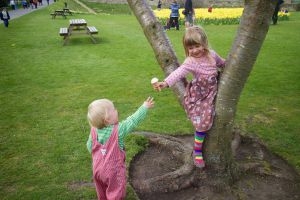 As a parent, your behavioural expectations of your child can be higher than what is actually developmentally appropriate for your child's age.
Read More
As a parent, your behavioural expectations of your child can be higher than what is actually developmentally appropriate for your child's age.
Read More
 As Educators when communicating with Parents (through verbal or non-verbal communication), there will be times where we need to discuss issues or concerns that may… Read More
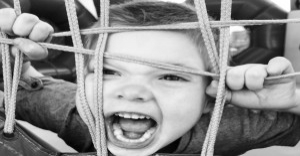 Challenging Behaviour is when a child does something that hurts themselves and/or other people.
Read More
Challenging Behaviour is when a child does something that hurts themselves and/or other people.
Read More
 It's always difficult to bring up behavioural issues with parents, it can be nerve wrecking to tell a parent that their child misbehaves but that… Read More
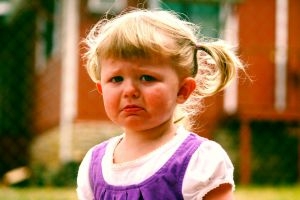 As part of your child's development it is normal for your child to have anxiety and fears. A baby commonly shows a fearful sign to… Read More
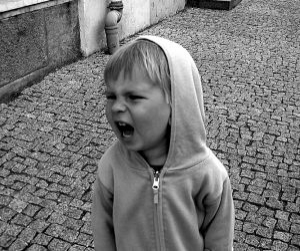 All children deal with anger on a daily basis. Thinking about it as a child, there is a lot to be angry about. Elder people… Read More
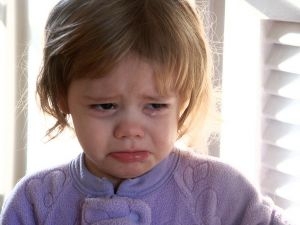 It is important to understand that your child behaviour problems could not just be from attention seeking. There are many factors to take into consideration… Read More

Preschoolers enjoy talking and are happy to tell their ideas or what they're thinking. They...
See more...
Now that your baby is older, they play a much more active part in their...
See more...
In the rhythm of early childhood, emotional storms are natural. Toddlers and preschoolers are still...
See more...