


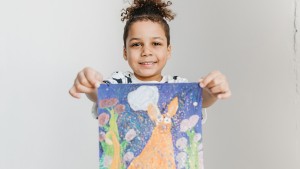
Indigenous preschools play an important role in preserving language, culture, and identity for future generations. A recent story from Australia highlights how early childhood education can become a powerful bridge between generations, helping both children and adults reconnect with their cultural heritage.
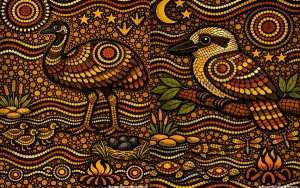
Inspired by Aboriginal dot painting techniques. These posters celebrate native wildlife through symbolic patterns and earthy tones, acknowledging the cultural origins of dot art while presenting it as an educational resource.

Embed the 8 Ways Learning Framework in early childhood programs story, land, community, maps, and symbols for holistic EYLF outcomes.

This three-part foundational webinar series, from TAFE NSW, presented by Josh Brown, a proud Worimi man and co-founder of Deadly Ed, empowers early childhood educators and teachers to confidently and respectfully embed culturally authentic Aboriginal perspectives into their everyday teaching.
Aligned with the Early Years Learning Framework (EYLF), participants will build confidence in selecting, using, and advocating for authentic Aboriginal resources in their everyday teaching practice.
Reconciliation in early childhood is not a one‑week event; it’s a daily practice. Embedding reconciliation means weaving respect, truth‑telling, and cultural awareness into routines, environments, and relationships. For educators, this is about creating spaces where Aboriginal and Torres Strait Islander perspectives are visible, valued, and celebrated.

In early childhood, the playground is more than a place to play; it's a living classroom. Caring for Country invites children to see the land as a friend, not just a space. Through simple, sensory experiences, educators can nurture respect for nature and embed Aboriginal and Torres Strait Islander perspectives in everyday play.
National Reconciliation Week (27 May – 3 June) invites children and educators to celebrate the shared story of Australia and deepen understanding of Aboriginal and Torres Strait Islander cultures. In early childhood, this begins with simple, meaningful experiences: listening to stories, exploring nature, creating art, and learning about respect and belonging.
The Reconciliation Week Lesson Plan helps educators embed reconciliation through play‑based learning, group discussions, and interest‑area exploration. Each day builds on the theme “All In," encouraging children to see themselves as part of a caring, respectful community.

Creating Aboriginal and Torres Strait Islander displays in early childhood education (ECE) settings is about more than decoration—it’s about embedding cultural respect, identity, and belonging into the learning environment. Here are some practical and meaningful approaches.

Acknowledgement of Country is more than a ritual—it’s a daily opportunity to connect children with respect, gratitude, and belonging.

Australia Day, observed on 26 January, is a day of celebration for some but a day of mourning for many First Nations peoples. As educators, we hold the responsibility to model respect, inclusion, and truth-telling. Reframing the day as Our Land and Community Day allows us to celebrate what is beautiful about Australia—its land, animals, foods, and cultural diversity—while acknowledging the pain this date represents.
This approach is not about division. It is about honesty, empathy, and creating a safe, inclusive space for children and families.
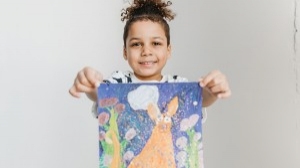 Indigenous preschools play an important role in preserving language, culture, and identity for future generations. A recent story from Australia highlights how early childhood education… Read More
