


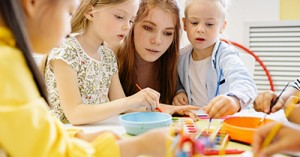
Gathering children's voices for a program is all about ensuring that their ideas, opinions, and creativity shape the activities and experiences they participate in. The following article provides information on How Does Gathering Children's Voices Enhance Their Learning?, What Are Practical Ways To Gather Children's Voices? What Are Tips For Engaging Children In Discussions? Example Plans For Gathering Children's Voice and more.
Quality Area 1 of the National Quality Standard focuses on Educational Program and Practice, ensuring that learning experiences are child-centered, stimulating, and engaging. Here are some practical examples of how this can be implemented in the workplace.
A: Observing a child's interest is key to understanding their passions and learning preferences.

A: A photo observation in early childhood education is a visual documentation method used to capture a child's learning, development, and experiences.

A: When analysing observations, selecting the right learning outcome depends on several factors:
Coming up with extension ideas during early childhood observations involves identifying ways to build on a child's interests, skills, and developmental needs. The following article provides strategies and examples of extension ideas.

A: A narrative observation in childcare is a detailed, written account of a child's actions, interactions, and behaviors over a specific period. It provides a rich, descriptive record of what the child is doing, saying, and experiencing in their environment.

Applying theorists in observations involves connecting your observations of children’s behaviors, interactions, and development to established theories of learning and development. This approach not only deepens your understanding of children’s needs but also aligns with the EYLF and the NQS. The following article provides information on Understanding Key Theorists and Their Concepts, Linking Observations to Theories, Incorporating Theories into Planning, Practical Examples and more.
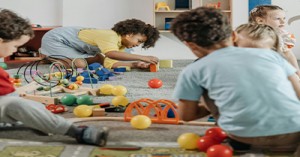
A: A sociogram is a visual tool that maps out the social relationships in a group—in early childhood, this means it shows how the children interact with one another. Think of it as a snapshot of the social network within the learning environment.

When we talk about programming and planning for babies in early childhood, we’re really delving into a thoughtful approach that values infants’ rapid developmental growth, emotional needs, and emerging personalities. Australian early childhood education has evolved to recognize that even the very youngest need intentional, responsive programming embedded in a secure, nurturing environment. Here are some key aspects to consider.
 Open ended questions cannot be responded to with one word answers such as yes or no. These types of questions enables a child to provide… Read More
 During your child’s preschool years, an important milestone begins to emerge. This is the development of pre-writing skills. Pre-writing skills are used to encourage, develop… Read More
 An Acknowledgment of the Country is a way of showing respect for the Traditional Owners and can be given by both non-Indigenous people and Aboriginal… Read More
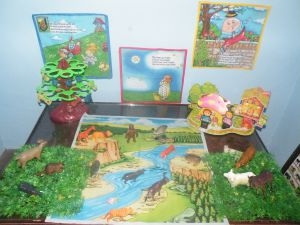 Open ended materials enables children to play freely. They are objects that have no rules to follow, use or function. Raw materials that can be… Read More
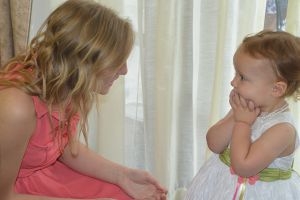 Language plays an important role in a child’s development. It enables a child to communicate effectively with their family, learn at school, socialize with friends,… Read More
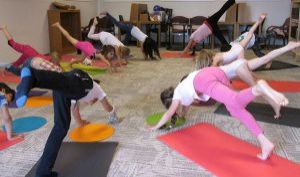 Like adults, children have to deal with their own stress in life. Moving house, starting a new school, preparing for a new sibling - these are… Read More
 Playdough is such a versatile material. It provides numerous benefits to children as they manipulate it, it is safe and soothing and provides children with… Read More
 Teaching children about sustainability enables them to appreciate and respect the natural environment. Early childhood services can provide meaningful hand on learning experiences in order… Read More
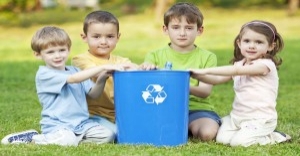 Recycling is an important concept that teaches children to care for the environment. It encourages children to be responsible and show a growing appreciating for… Read More
 Incursions provide children with the opportunity to explore meaningful learning experiences in the comfort of their early childhood service. The following provides a directory of… Read More
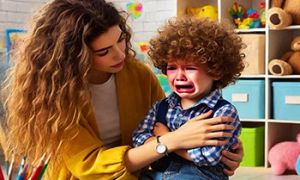
Separation anxiety is a common emotional reaction in young children, where they experience distress and anxiety...
See more...
The My Yearbook template is a beautifully designed resource that helps early childhood educators celebrate...
See more...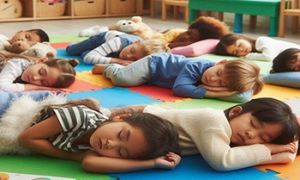
The Education and Care Services National Regulations emphasise that children's individual needs, including sleep and...
See more...