



EYLF Outcome 4 centers on empowering children to become self-assured, engaged participants in their own learning. It’s all about nurturing a mindset where children perceive learning as an active, enjoyable, and continual journey. The following article provides information on the Definition Of Sub Outcomes, Practical Examples Of Sub Outcomes, Applying Sub Outcomes Into Practice and more.
Incorporating follow-ups into the EYLF program means creating an ongoing, responsive cycle that both monitors and builds on children’s learning. Here are some detailed strategies to help you weave follow-ups seamlessly into your EYLF planning cycle.
EYLF Outcome 3: Children Have a Strong Sense of Wellbeing focuses on fostering children's physical, emotional, and social wellbeing. It emphasizes resilience, self-regulation, and healthy lifestyle habits, which are essential for children's development and learning. The following article provides information on the Definition Of Sub Outcomes, Practical Examples Of Sub Outcomes, Applying Sub Outcomes Into Practice and more.

To make the Early Years Learning Framework (EYLF) planning cycle more impactful and engaging, you can explore strategies that emphasize collaboration, creativity, and responsiveness. The folowing article provides Strategies For An Impactful and Meaningful EYLF Planning Cycle, What Is Child Centered Focus, What is Continuous Documentation, What Is Dynamic Programming, How To Include Follow Ups Into The EYLF Program, How Often Children Should Be Observed and more.

EYLF Outcome 2 focuses on children being connected with and contributing to their world. It emphasizes fostering a sense of belonging, respect for diversity, and social responsibility. The following article provides information on the Definition Of Sub Outcomes, Practical Examples Of Sub Outcomes, Applying Sub Outcomes InTo Practice and more.
This article explores key learning theories, their practical applications, and how they align with the EYLF and NQS. Educators can use these insights to enhance teaching strategies, scaffold children's learning, and create inclusive learning experiences that cater to diverse developmental needs.

By embedding high-quality practices, services demonstrate an unwavering commitment to continuous improvement, educator collaboration, and responsive engagement with children, families, and communities. This introduction sets the foundation for exploring how Exceeding Theme 1 is applied across Quality Areas 1 to 7, shaping a truly exceptional early childhood environment.

Quality Area 3 focuses on the physical environment in educational and care settings, as per frameworks like the National Quality Standard (NQS). It emphasizes creating safe, functional, and sustainable spaces that support learning and play. Here are some key terms associated with this area.
EYLF Outcome 1 focuses on children developing a strong sense of identity. It emphasizes the importance of children feeling safe, secure, and supported, which helps them grow in confidence to explore and learn. The following article provides information on the Definition Of Sub Outcomes, Practical Examples Of Sub Outcomes, Applying Sub Outcomes InTo Practice and more.

Daily reflections are a valuable practice that helps educators assess and enhance their program while fostering children's development. The following article provides information on the Benefits of Daily Reflection, What To Include In Daily Reflections, Examples and more.
 Open ended questions cannot be responded to with one word answers such as yes or no. These types of questions enables a child to provide… Read More
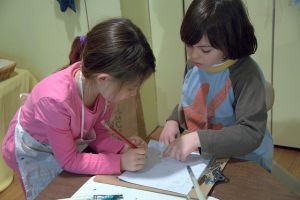 During your child’s preschool years, an important milestone begins to emerge. This is the development of pre-writing skills. Pre-writing skills are used to encourage, develop… Read More
 An Acknowledgment of the Country is a way of showing respect for the Traditional Owners and can be given by both non-Indigenous people and Aboriginal… Read More
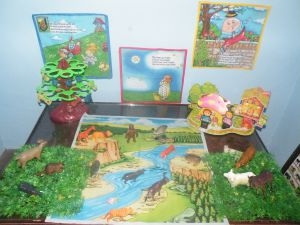 Open ended materials enables children to play freely. They are objects that have no rules to follow, use or function. Raw materials that can be… Read More
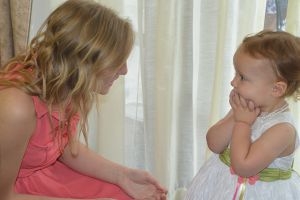 Language plays an important role in a child’s development. It enables a child to communicate effectively with their family, learn at school, socialize with friends,… Read More
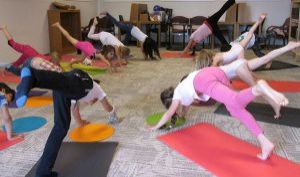 Like adults, children have to deal with their own stress in life. Moving house, starting a new school, preparing for a new sibling - these are… Read More
 Playdough is such a versatile material. It provides numerous benefits to children as they manipulate it, it is safe and soothing and provides children with… Read More
 Teaching children about sustainability enables them to appreciate and respect the natural environment. Early childhood services can provide meaningful hand on learning experiences in order… Read More
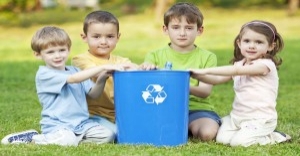 Recycling is an important concept that teaches children to care for the environment. It encourages children to be responsible and show a growing appreciating for… Read More
 Incursions provide children with the opportunity to explore meaningful learning experiences in the comfort of their early childhood service. The following provides a directory of… Read More

Research indicates children have better chances of achieving positive developmental and life outcomes when their...
See more...
Thousands of educators entered the field armed with certificates but short on competence. Driven by...
See more...
The National Law and the National Regulations illustrate the legal responsibilities of the approved provider...
See more...