


On April 22 is Earth Day. This year's campaign is to End Plastic Pollution. As Educators, we spend our days setting up experiences for children to be engaged in by using a variety of resources and materials including the use of plastic.

As educators, we need to incorporate cultural celebrations within the setting in a sensitive and respectful manner by avoiding cultural tokenism - which is the act of making a small minimal effort towards something.
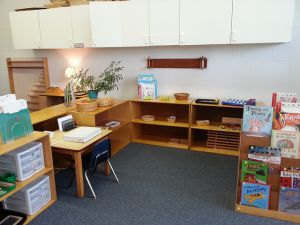
Within the physical environment, Interest Areas are prepared and maintained to encourage children in their learning. These areas are well planned and are purposefully created to enable children to experiment, discover, explore and create.
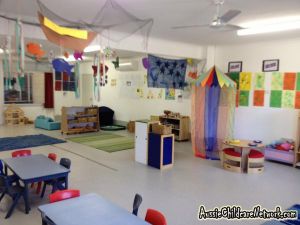
The physical environment in an early childhood setting creates an atmosphere that is welcoming, inviting and engaging. For the children it is an atmosphere where they can develop their skills and interests and become independent and confident learners. The overall learning environment creates a feeling of safety and comfort- a place where all children belong.
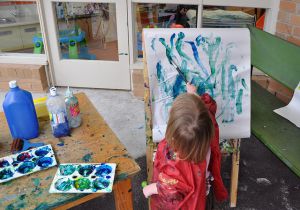
Creating interest areas within an early childhood settings are beneficial to both children and educators. For children, interest areas guide play, exploration and discovery which are all used to foster children’s holistic development. Interest areas enable educators to think intentionally about how to organize the space and involve the children to provide accessible materials that engage children and enhance their play experiences.
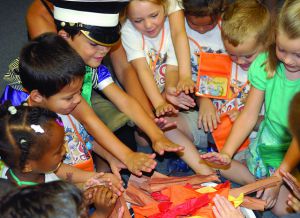
Within early childhood settings and as part of the daily routine, group time has become a teaching strategy in order to gather children together to have discussions, read stories, sing songs, etc. The following article provides information on What Is Group Time, When To Have Group Time, What To Do During Group Time, Managing group Time and more.
 Open ended questions cannot be responded to with one word answers such as yes or no. These types of questions enables a child to provide… Read More
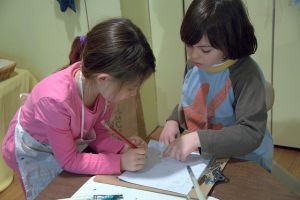 During your child’s preschool years, an important milestone begins to emerge. This is the development of pre-writing skills. Pre-writing skills are used to encourage, develop… Read More
 An Acknowledgment of the Country is a way of showing respect for the Traditional Owners and can be given by both non-Indigenous people and Aboriginal… Read More
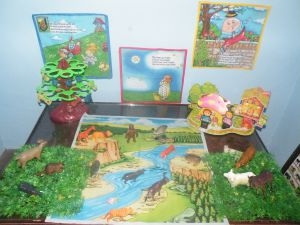 Open ended materials enables children to play freely. They are objects that have no rules to follow, use or function. Raw materials that can be… Read More
 Language plays an important role in a child’s development. It enables a child to communicate effectively with their family, learn at school, socialize with friends,… Read More
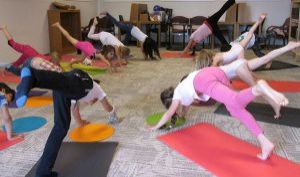 Like adults, children have to deal with their own stress in life. Moving house, starting a new school, preparing for a new sibling - these are… Read More
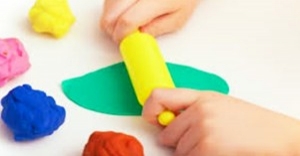 Playdough is such a versatile material. It provides numerous benefits to children as they manipulate it, it is safe and soothing and provides children with… Read More
 Teaching children about sustainability enables them to appreciate and respect the natural environment. Early childhood services can provide meaningful hand on learning experiences in order… Read More
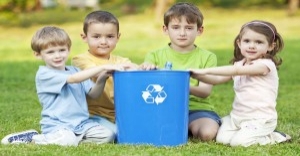 Recycling is an important concept that teaches children to care for the environment. It encourages children to be responsible and show a growing appreciating for… Read More
 Incursions provide children with the opportunity to explore meaningful learning experiences in the comfort of their early childhood service. The following provides a directory of… Read More
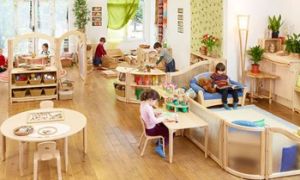
Developed in northern Italy after the Second World War, the Reggio Emilia is a child-centred...
See more...
Designing engaging outdoor learning spaces offers stimulating resources and rich play-based learning opportunities that cater...
See more...
Quality Area 3 of the National Quality Standard (NQS) focuses on the physical environment—its design...
See more...