


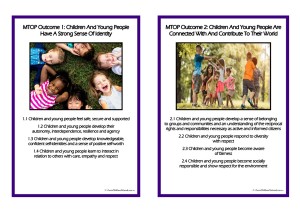
The MTOP Posters With Images can be used to display within the service. Each individual outcome includes an image and the sub-outcomes. The Learning Outcomes are to be used to reflect on children’s learning and focus on what a child can achieve. These include Version 2.0 outcomes which were recently updated (2023).
MTOP Learning Outcomes Posters Version 2.0 displays the main MTOP Learning Outcomes and the sub-outcomes. They can be used to display within the service or used as a reference for documentation and planning. The Learning Outcomes are to be used to reflect on children’s learning and focus on what a child can achieve.
The following lists the sub-outcomes, examples of evidence when children achieve each sub-outcome and how educators can promote and help children to achieve MTOP Learning Outcome 5 - Children And Young People Are Effective Communicators V2.0.
The following lists the sub-outcomes, examples of evidence that children can achieve each sub-outcome and how educators can promote and help children to achieve MTOP Learning Outcome 4 - Children And Young People Are Confident And Involved Learners V2.0.
The following lists the sub outcomes, examples of evidence that children can achieve each sub outcome and how educators can promote and help children to achieve MTOP Learning Outcome 3: Children Have A Strong Sense Of Wellbeing V2.0.
The following lists the sub-outcomes, examples of evidence of when children can achieve each sub-outcome and how educators can promote and help children to MTOP Outcome 2: Children And Young People Are Connected With And Contribute To Their World V2.0.
The following lists the sub-outcomes, examples of evidence when children can achieve each sub-outcome and how educators can promote and help children to achieve MTOP Learning Outcome 1: Children And Young People Have A Strong Sense Of Identity.
All children and young people's integrated and complex wellness, learning, and development are intended to be captured by the five outcomes. The Outcomes are broad and observable. They acknowledge that children and young people in school-age care settings have choices and opportunities to collaborate with each other and educators. The following articles list the 5 MTOP Learning Outcomes and their sub-outcomes (Version 2.0).
From January to March 2022, potential updates to the Early Years Learning Framework for Australia (EYLF) and My Time Our Place: Framework for School Age Care in Australia (MTOP) were piloted in 16 early childhood education and care services across Australia.
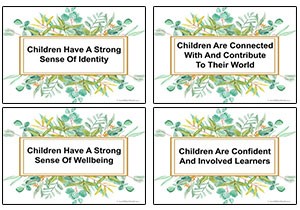
The MTOP Main Outcome Posters includes each of the main outcomes of the My Time Our Place framework for oosh services. These can be used as a display around the room to show how children achieve each outcome.
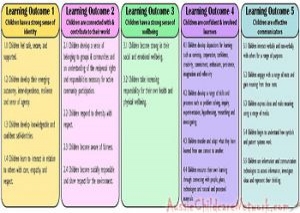 Here is the list of the EYLF Learning Outcomes that you can use as a guide or reference for your documentation and planning. The EYLF… Read More
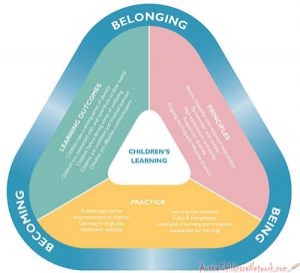 The EYLF is a guide which consists of Principles, Practices and 5 main Learning Outcomes along with each of their sub outcomes, based on identity,… Read More
 This is a guide on How to Write a Learning Story. It provides information on What Is A Learning Story, Writing A Learning Story, Sample… Read More
 One of the most important types of documentation methods that educators needs to be familiar with are “observations”. Observations are crucial for all early childhood… Read More
 To support children achieve learning outcomes from the EYLF Framework, the following list gives educators examples of how to promote children's learning in each individual… Read More
 Reflective practice is learning from everyday situations and issues and concerns that arise which form part of our daily routine while working in an early… Read More
 When observing children, it's important that we use a range of different observation methods from running records, learning stories to photographs and work samples. Using… Read More
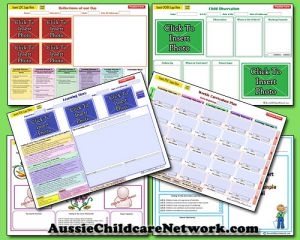 Within Australia, Programming and Planning is reflected and supported by the Early Years Learning Framework. Educators within early childhood settings, use the EYLF to guide… Read More
 This is a guide for educators on what to observe under each sub learning outcome from the EYLF Framework, when a child is engaged in… Read More
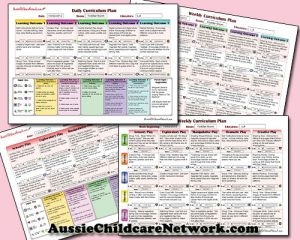 The Early Years Learning Framework describes the curriculum as “all the interactions, experiences, activities, routines and events, planned and unplanned, that occur in an environment… Read More
Anxiety and fear are natural parts of growing up. They often indicate that children are...
See more...
Social distancing plays a key role in preventing the spread of coronavirus. This means putting...
See more...
This learning experience is designed to approach the topic gently through play, storytelling, small‑world exploration...
See more...