Everyday childcare reflection strategies that enhance EYLF outcomes, educator growth, and practice.
Critical reflection becomes most powerful when it is woven seamlessly into the everyday rhythm of a centre. Rather than being seen as an extra task, it can be part of the way educators share stories, celebrate successes, and identify opportunities for growth. By embedding reflection into daily routines, educators experience it as a natural and collaborative process that strengthens practice, supports children’s learning, and builds team culture. The following approaches highlight simple, practical ways to make reflection meaningful and sustainable in everyday work.
Everyday Approaches
- Reflection Wall - A shared board where educators jot quick notes after experiences (e.g., “Children showed agency in block play today”). These are later discussed in team meetings, making reflection visible and collaborative.
- End‑of‑day debrief - A 10‑minute huddle at pack‑up time where each educator shares one success and one challenge. This keeps reflection short, verbal, and linked directly to practice.
- Photo reflections - Educators snap a photo of an activity and add a sticky note with a reflection question (“What learning did I see here?”). These are displayed in the staff room to spark ongoing dialogue.
- Reflection journals - Each educator keeps a small notebook where they write one reflection per week. At staff meetings, they choose one entry to share, ensuring reflections are personal but also collective.
- EYLF outcome mapping - Reflections are structured around EYLF outcomes. For example: “Outcome 2 — Children are connected with and contribute to their world: Today’s gardening activity showed children’s care for the environment.”
- Peer reflection pairs - Educators buddy up and reflect on each other’s practice once a fortnight. This builds trust and encourages constructive feedback.
- Celebration reflections - Instead of focusing only on challenges, educators write one “success story” each week. These are shared in newsletters or displayed in the staff room, reinforcing positivity.
- Learning story reflections - After writing a learning story, educators add a short reflection about what worked well and what could be extended. This keeps reflection tied directly to documentation rather than a separate task.
- Reflection prompts - in programming Weekly program plans include a “reflection box” where educators jot one insight (e.g., “Children showed persistence during puzzles — next week we’ll add more challenging ones”). This embeds reflection into planning cycles.
- Video reflection sessions - Educators record short clips of play or routines, then watch them together and reflect on interactions, language, and engagement. This makes reflection concrete and often sparks rich discussion.
When educators see reflection as a tool for growth rather than a compliance task, it becomes energising and purposeful. Embedding reflection into routines, whether through walls, jars, journals, or debriefs ensures it is lived practice, not paperwork. Most importantly, these approaches connect directly to EYLF outcomes, supporting children’s learning while also nurturing educator wellbeing. By celebrating successes, sharing challenges, and linking insights to everyday practice, centres can transform reflection into a culture of continuous improvement that educators genuinely value.
Further Reading
Educators Guide To Critical Reflections
Practical Examples Of Critical Reflections In Early Childhood
Ideas to Organise and Document Critical Reflections
How To Write A Critical Reflection In Early Childhood




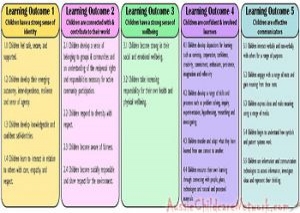 Here is the list of the EYLF Learning Outcomes that you can use as a guide or reference for your documentation and planning. The EYLF
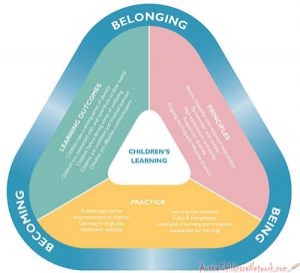 The EYLF is a guide which consists of Principles, Practices and 5 main Learning Outcomes along with each of their sub outcomes, based on identity,
 This is a guide on How to Write a Learning Story. It provides information on What Is A Learning Story, Writing A Learning Story, Sample
 One of the most important types of documentation methods that educators needs to be familiar with are “observations”. Observations are crucial for all early childhood
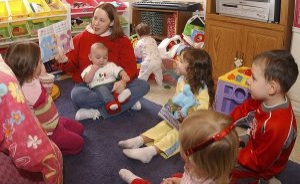 To support children achieve learning outcomes from the EYLF Framework, the following list gives educators examples of how to promote children's learning in each individual
 Reflective practice is learning from everyday situations and issues and concerns that arise which form part of our daily routine while working in an early
 When observing children, it's important that we use a range of different observation methods from running records, learning stories to photographs and work samples. Using
 Within Australia, Programming and Planning is reflected and supported by the Early Years Learning Framework. Educators within early childhood settings, use the EYLF to guide
 This is a guide for educators on what to observe under each sub learning outcome from the EYLF Framework, when a child is engaged in
 The Early Years Learning Framework describes the curriculum as “all the interactions, experiences, activities, routines and events, planned and unplanned, that occur in an environment