



EYLF Outcome 2 focuses on children being connected with and contributing to their world. It emphasizes fostering a sense of belonging, respect for diversity, and social responsibility. The following article provides information on the Definition Of Sub Outcomes, Practical Examples Of Sub Outcomes, Applying Sub Outcomes InTo Practice and more.
This article explores key learning theories, their practical applications, and how they align with the EYLF and NQS. Educators can use these insights to enhance teaching strategies, scaffold children's learning, and create inclusive learning experiences that cater to diverse developmental needs.
By embedding high-quality practices, services demonstrate an unwavering commitment to continuous improvement, educator collaboration, and responsive engagement with children, families, and communities. This introduction sets the foundation for exploring how Exceeding Theme 1 is applied across Quality Areas 1 to 7, shaping a truly exceptional early childhood environment.

Quality Area 3 focuses on the physical environment in educational and care settings, as per frameworks like the National Quality Standard (NQS). It emphasizes creating safe, functional, and sustainable spaces that support learning and play. Here are some key terms associated with this area.
EYLF Outcome 1 focuses on children developing a strong sense of identity. It emphasizes the importance of children feeling safe, secure, and supported, which helps them grow in confidence to explore and learn. The following article provides information on the Definition Of Sub Outcomes, Practical Examples Of Sub Outcomes, Applying Sub Outcomes InTo Practice and more.

Daily reflections are a valuable practice that helps educators assess and enhance their program while fostering children's development. The following article provides information on the Benefits of Daily Reflection, What To Include In Daily Reflections, Examples and more.

Here’s a step-by-step guide to programming and planning using EYLF. This guide also includes: How Do You Gather Information About Children's Interests, Strengths, and Learning Styles?, How Do You Analyze Observations To Identify Learning Outcomes?, How Do You Analyze Observations To Plan And Implement Further Learning Opportunities?, What Other Evidence Can Be Gathered To Intergrate Learning Opportunities Onto The EYLF Program and more.

EYLF Outcome 4: Children Are Confident and Involved Learners, focuses on fostering children's confidence and involvement as learners. The following article provides information on Strategies To Achieve Outcome 4 With Babies, Goals For Babies To Acheive EYLF Outcome 4, Example Activities That Link With Outcome 4 For Babies, and more.

Quality Area 2 focuses on children's health and safety within educational and care settings, as per frameworks like Australia's National Quality Standard (NQS). Here are key terms associated with this area:

Reflective teaching helps educators refine their approaches, understand children’s needs, and foster a culture of continuous growth. This guide provides discussion prompts to support meaningful reflection and professional development.
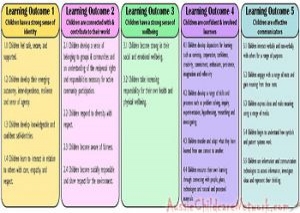 Here is the list of the EYLF Learning Outcomes that you can use as a guide or reference for your documentation and planning. The EYLF… Read More
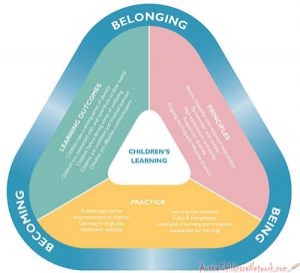 The EYLF is a guide which consists of Principles, Practices and 5 main Learning Outcomes along with each of their sub outcomes, based on identity,… Read More
 This is a guide on How to Write a Learning Story. It provides information on What Is A Learning Story, Writing A Learning Story, Sample… Read More
 One of the most important types of documentation methods that educators needs to be familiar with are “observations”. Observations are crucial for all early childhood… Read More
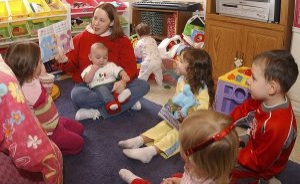 To support children achieve learning outcomes from the EYLF Framework, the following list gives educators examples of how to promote children's learning in each individual… Read More
 Reflective practice is learning from everyday situations and issues and concerns that arise which form part of our daily routine while working in an early… Read More
 When observing children, it's important that we use a range of different observation methods from running records, learning stories to photographs and work samples. Using… Read More
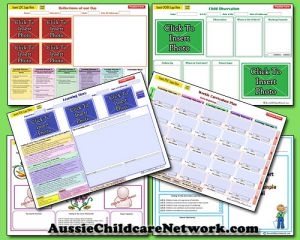 Within Australia, Programming and Planning is reflected and supported by the Early Years Learning Framework. Educators within early childhood settings, use the EYLF to guide… Read More
 This is a guide for educators on what to observe under each sub learning outcome from the EYLF Framework, when a child is engaged in… Read More
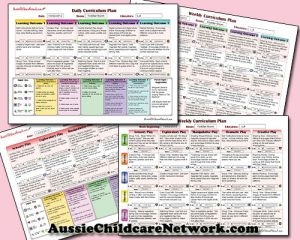 The Early Years Learning Framework describes the curriculum as “all the interactions, experiences, activities, routines and events, planned and unplanned, that occur in an environment… Read More

Effective communication is at the heart of every productive workplace but more so in sectors...
See more...
Learning journals are a fantastic tool for documenting a child’s development, learning experiences, and progress...
See more...
Motivating well-qualified staff to remain at your service is not only important to cut down...
See more...