


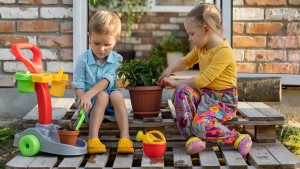
Sustainability isn’t just about recycling; it’s about helping children understand their role as caretakers of the planet. In OOSH settings, educators have a unique opportunity to weave eco-friendly practices into everyday routines, turning play and learning into powerful lessons about responsibility and respect for the environment.
The following mapped activities are grouped into five key areas: Recycling & Reuse, Energy & Resources, Nature & Gardening, Biodiversity & Care, and Creative & Reflective, each with six practical ideas to inspire children and educators alike.

Children’s gardens are more than just spaces for growing plants—they are living classrooms where curiosity, responsibility, and creativity flourish. By weaving upcycling into these gardens, educators can transform everyday discarded items into vibrant, functional learning tools. This approach not only reduces waste but also models sustainability and innovation for children in ways they can see, touch, and nurture.
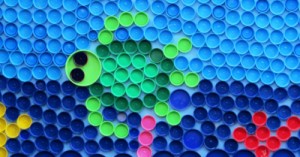
A practical guide filled with creative, meaningful sustainability ideas for early childhood services. Explore simple, engaging ways to embed environmental responsibility into daily practice, play, and curriculum.
Sustainability in early childhood isn’t just about recycling bins and worm farms—it’s about nurturing a culture of care, curiosity, and responsibility. When children experience sustainable practices woven naturally into their day, they learn that their choices matter and that they are active contributors to their world. Early childhood services are uniquely placed to model these habits through playful, creative, and meaningful experiences that build lifelong environmental awareness. From reimagining loose parts to embedding First Nations perspectives, sustainability becomes a living, breathing part of the curriculum—not an add‑on, but a way of being together.
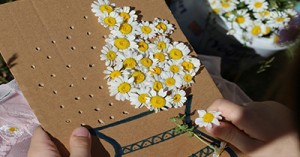
The following article provides fun and engaging hands-on sustainability projects for kids. By engaging in these activities, kids not only build eco-friendly habits but also develop a strong foundation of life skills.
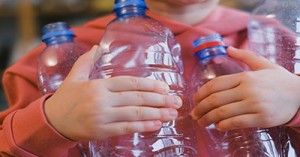
Actively managing waste in an early learning service is essential for sustainability, cost efficiency, and environmental responsibility. Here are some effective strategies to implement waste management:
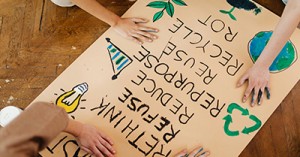
The following lists reflection questions designed to help educators reflect on how sustainability is embedded into their practices.

Sustainability Activities not only teach them about the importance of taking care of our planet. The following article provides information on Sustainability Activities For Toddlers, Sustainability Activities For Preschoolers, Linking To The EYLF Outcomes and more.
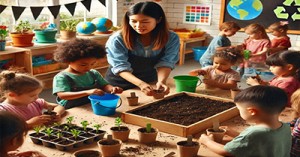
Implementing sustainable practices in a preschool room is a fantastic way to teach children about environmental responsibility while also creating a healthier space for them to learn and play. The following article provides information on Sustainable Practices For The Preschool Room, Reduce, Reuse, Recycle Ideas, Energy Efficiency In The Preschool Room, Water Conservation In The Preschool Room, Sustainable Learning Activities and more.
National Recycling Week is held on the 13th - 19th Of November. The following provides National Recycling Week Templates, Articles, FREE Printables and Activities that can also be included in the curriculum for children.
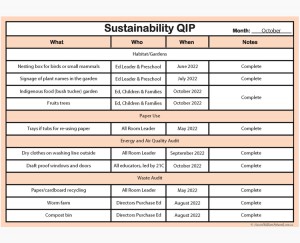
This template enables services to evaluate the sustainable practices that are happening at the service and to provide details of sustainable issues that need to be improved.
 The Children’s Services Award introduces a streamlined classification system and updated pay rates designed to better recognise the skills, qualifications, and responsibilities of early childhood… Read More
 The Children’s Services Award has 8 clear levels. These levels make it easier to understand where you fit, based on your experience, qualifications, and responsibilities.… Read More
 When working as a qualified early childhood teacher (with a university degree) within a service, your rate of pay will come from the Educational Services… Read More
 Diploma-qualified educators play a vital role in early childhood services, taking on responsibilities that range from supporting children’s learning and development to leading rooms and… Read More
 Certificate III qualified educators form the backbone of early childhood services, providing essential care and learning support for children across all settings. Their wages under… Read More
 Early Childhood Teachers (ECTs) play a vital role in leading curriculum and pedagogy in early learning settings. Regulation 272 of the Education and Care Services… Read More
 Discover how school readiness programs support children’s independence, confidence, and skills for a successful transition into primary school.
Read More
Discover how school readiness programs support children’s independence, confidence, and skills for a successful transition into primary school.
Read More
 When an Educator is not performing their tasks or responsibilities at best practice, these issues need to be addressed for the Educator to understand where… Read More
 Educators can maximise tax deductions by claiming classroom supplies, training, union fees, and home office costs this financial year.
Read More
Educators can maximise tax deductions by claiming classroom supplies, training, union fees, and home office costs this financial year.
Read More
 A staff appraisal is a formal, systematic process of determining and reviewing the performance of early childhood educators over a period of time, usually a… Read More

ABC Kids has a range of free content for Early Childhood Educators to use with...
See more...
Food waste is an unpalatable truth in many early childhood services. . It is not...
See more...
Anecdotes are the most commonly used tool in gathering information about children.
See more...