


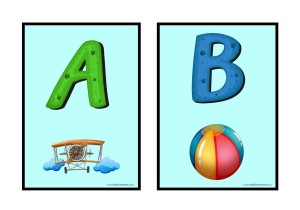
The Alphabet With Picture Posters are posters that have each letter of the alphabet as well as a matching picture. This can be used in a variety of ways including as a display, to teach children letters and corresponding words and more.
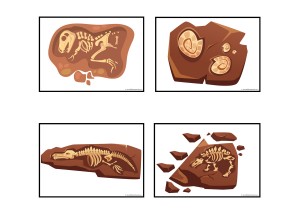
Dinosaur Fossil Posters are to be used as a display in the learning environment during a dinosaur theme. These can also be laminated and used as a playdough mat where children have to use playdough to make the dinosaur fossils.
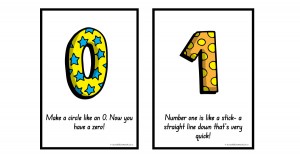
The Number Formation Rhymes Posters are rhymes on how to write each individual number. These are great for teaching children how to write numbers in a fun and engaging way.
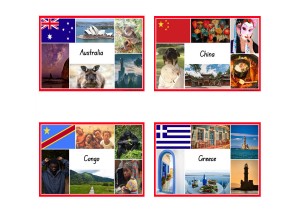
The Countries Around The World Posters display pictures associated with that individual country. These are great to use as a discussion point with children and to be used as a display.
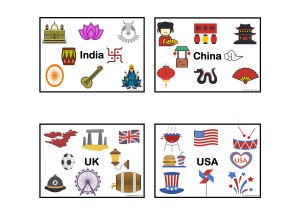
The Countries Posters display pictures of what can be found in that particular country. These are great to use as a discussion point with children and to be used as a display.
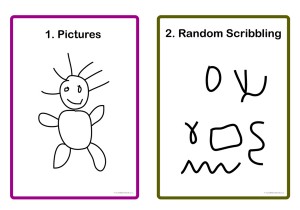
The Stages Of Writing Posters are a great source of information to refer to when children begin to write. The posters show the different stages a child goes through in their writing development. These are great to use for reference when completing assessments on children. These are also great to display in the writing area.
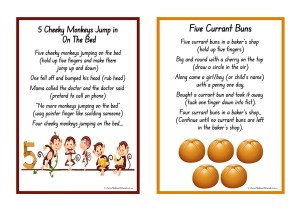
Counting and Number Songs Posters can be used when singing songs with children. They teach children to count and can be used during circle time.
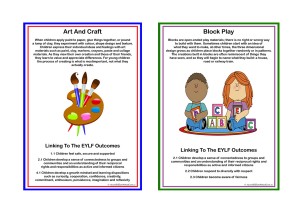
The Interest Area Posters 2.0 provide a brief description of the play area as well as links to the EYLF learning outcomes version 2.0. These are great to add into the learning environment.
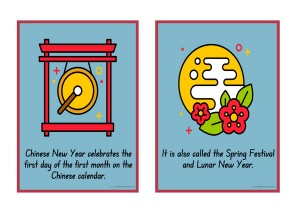
The Chinese New Year Information Posters provide a brief description of the culture and traditions of the Chinese New Year. These are great to use as a Chinese New Year cultural display within the learning environment.
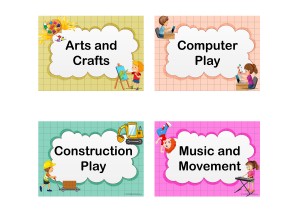
The Interest Area Signs are to be added to the different areas within the learning environment. Interest areas guide play, exploration and discovery which are all used to foster children’s holistic development. Interest areas enable educators to think intentionally about how to organize the space and involve the children to provide accessible materials that engage children and enhance their play experiences.
 The Children’s Services Award introduces a streamlined classification system and updated pay rates designed to better recognise the skills, qualifications, and responsibilities of early childhood… Read More
 The Children’s Services Award has 8 clear levels. These levels make it easier to understand where you fit, based on your experience, qualifications, and responsibilities.… Read More
 When working as a qualified early childhood teacher (with a university degree) within a service, your rate of pay will come from the Educational Services… Read More
 Diploma-qualified educators play a vital role in early childhood services, taking on responsibilities that range from supporting children’s learning and development to leading rooms and… Read More
 Certificate III qualified educators form the backbone of early childhood services, providing essential care and learning support for children across all settings. Their wages under… Read More
 Early Childhood Teachers (ECTs) play a vital role in leading curriculum and pedagogy in early learning settings. Regulation 272 of the Education and Care Services… Read More
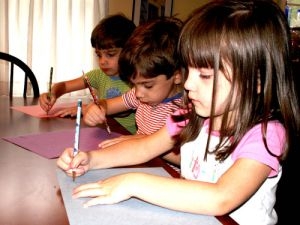 Discover how school readiness programs support children’s independence, confidence, and skills for a successful transition into primary school.
Read More
Discover how school readiness programs support children’s independence, confidence, and skills for a successful transition into primary school.
Read More
 When an Educator is not performing their tasks or responsibilities at best practice, these issues need to be addressed for the Educator to understand where… Read More
 Educators can maximise tax deductions by claiming classroom supplies, training, union fees, and home office costs this financial year.
Read More
Educators can maximise tax deductions by claiming classroom supplies, training, union fees, and home office costs this financial year.
Read More
 A staff appraisal is a formal, systematic process of determining and reviewing the performance of early childhood educators over a period of time, usually a… Read More
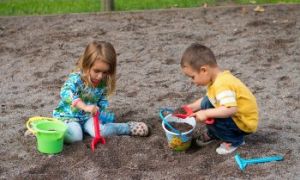
Play is a process that is freely chosen, personally directed and intrinsically motivated. In this...
See more...
Incorporating STEAM displays within early learning environments offers children rich, open-ended opportunities for discovery, creativity...
See more...
Prompts for each stage of the observation cycle guide educators to observe, analyse, plan, and...
See more...