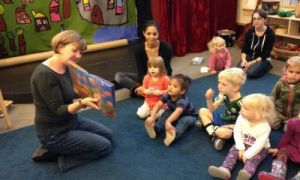
In early childhood education, numbers matter. Ratios often dominate policy debates, but group size, the total number of children in a room, can be just as critical. As policymakers revisit standards, group size caps are emerging as a safeguard for quality care, protecting both children’s developmental needs and educators’ well-being.
Why Group Size Caps Matter
- Child Development: Smaller groups allow educators to respond to individual cues, fostering secure attachments and richer learning experiences. Infants and toddlers, in particular, thrive in calm, predictable environments where their voices are heard.
- Emotional Safety: Large groups can overwhelm children, leading to stress and disengagement. Caps ensure that every child has space to be seen, soothed, and supported.
- Staff Wellbeing: Educators in oversized groups face higher stress, burnout, and turnover. Smaller caps reduce emotional fatigue and allow staff to build meaningful connections.
International Comparisons
- New Zealand & Denmark: Both countries enforce group size caps alongside ratios, ensuring children aren’t lost in the crowd.
- Australia: While ratios are regulated, group sizes often exceed optimal levels, especially for infants and children with additional needs. This gap leaves educators stretched and children underserved.
Policy Reform Implications
- Quality Assurance: Caps ensure ratios translate into manageable group dynamics, not just numbers on paper.
- Equity in Care: Smaller groups promote inclusion, giving children with additional needs the attention they deserve.
- Systemic Reform: Introducing or tightening group size caps could shift the sector toward relationship-based care models, prioritizing emotional safety over efficiency.
Key Takeaways
- Small groups = better outcomes for children and educators.
- Caps protect against burnout and ensure care remains individualized.
- Policy reform must balance ratios and group sizes, not just one or the other.
As the sector pushes for reform, group size caps should be framed as non-negotiable safeguards for quality care. Policymakers must recognize that children are not statistics; they are individuals who flourish in environments where relationships, safety, and attention are prioritized.
Further Reading
Opinion: How Many Is Too Many? Rethinking Group Sizes
Mixed Age Ratios In An Early Childhood Service
Working With Mixed-Age Groups In An Early Childhood Setting
Group Learning In Early Childhood Settings
Q: Is It Necessary To Have Group Time




 The Children’s Services Award introduces a streamlined classification system and updated pay rates designed to better recognise the skills, qualifications, and responsibilities of early childhood
 The Children’s Services Award has 8 clear levels. These levels make it easier to understand where you fit, based on your experience, qualifications, and responsibilities.
 When working as a qualified early childhood teacher (with a university degree) within a service, your rate of pay will come from the Educational Services
 Diploma-qualified educators play a vital role in early childhood services, taking on responsibilities that range from supporting children’s learning and development to leading rooms and
 Certificate III qualified educators form the backbone of early childhood services, providing essential care and learning support for children across all settings. Their wages under
 Early Childhood Teachers (ECTs) play a vital role in leading curriculum and pedagogy in early learning settings. Regulation 272 of the Education and Care Services
 Discover how school readiness programs support children’s independence, confidence, and skills for a successful transition into primary school.
 When an Educator is not performing their tasks or responsibilities at best practice, these issues need to be addressed for the Educator to understand where
 Educators can maximise tax deductions by claiming classroom supplies, training, union fees, and home office costs this financial year.
 A staff appraisal is a formal, systematic process of determining and reviewing the performance of early childhood educators over a period of time, usually a