



The following lists the sub-outcomes, examples of evidence that children can achieve each sub-outcome and how educators can promote and help children to achieve MTOP Learning Outcome 4 - Children And Young People Are Confident And Involved Learners V2.0.

The following lists the sub outcomes, examples of evidence that children can achieve each sub outcome and how educators can promote and help children to achieve MTOP Learning Outcome 3: Children Have A Strong Sense Of Wellbeing V2.0.

The following lists the sub-outcomes, examples of evidence when children can achieve each sub-outcome and how educators can promote and help children to achieve MTOP Learning Outcome 1: Children And Young People Have A Strong Sense Of Identity.
All children and young people's integrated and complex wellness, learning, and development are intended to be captured by the five outcomes. The Outcomes are broad and observable. They acknowledge that children and young people in school-age care settings have choices and opportunities to collaborate with each other and educators. The following articles list the 5 MTOP Learning Outcomes and their sub-outcomes (Version 2.0).

The following lists the sub outcomes, examples of evidence when children can achieve each sub outcome and how educators can promote and help children to achieve MTOP Learning Outcome 4 - Children Are Confident And Involved Learners.
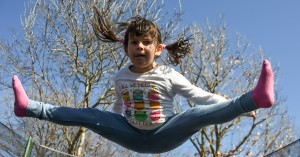
The following lists the sub outcomes, examples of evidence when children can achieve each sub outcome and how educators can promote and help children to achieve MTOP Learning Outcome 3: Children Have A Strong Sense Of Wellbeing.

The following lists the sub outcomes, examples of evidence when children can achieve each sub outcome and how educators can promote and help children to achieve MTOP Learning Outcome 2: Children Are Connected With And Contribute To Their World.

This is a guide for educators on what to observe under each sub learning outcome from the MTOP Framework, when a child is engaged in play and learning. Educators can plan experiences for the curriculum and gain an understanding on how children can achieve each individual outcome.
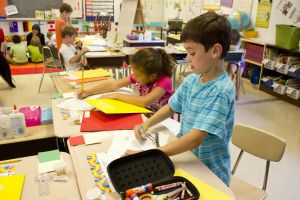
To support children achieve learning outcomes from the MTOP Framework, the following list gives educators examples of how to support and facilitate the children attain their goals. It also provides examples on how to promote each individual outcome throughout an OOSH setting.
Here is the list of the MTOP Learning Outcomes that you can use as a guide or reference for your documentation and planning.
 The Children’s Services Award introduces a streamlined classification system and updated pay rates designed to better recognise the skills, qualifications, and responsibilities of early childhood… Read More
 The Children’s Services Award has 8 clear levels. These levels make it easier to understand where you fit, based on your experience, qualifications, and responsibilities.… Read More
 When working as a qualified early childhood teacher (with a university degree) within a service, your rate of pay will come from the Educational Services… Read More
 Diploma-qualified educators play a vital role in early childhood services, taking on responsibilities that range from supporting children’s learning and development to leading rooms and… Read More
 Certificate III qualified educators form the backbone of early childhood services, providing essential care and learning support for children across all settings. Their wages under… Read More
 Early Childhood Teachers (ECTs) play a vital role in leading curriculum and pedagogy in early learning settings. Regulation 272 of the Education and Care Services… Read More
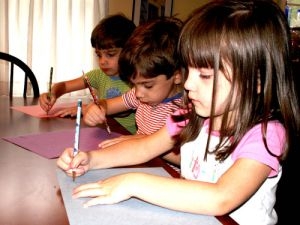 Discover how school readiness programs support children’s independence, confidence, and skills for a successful transition into primary school.
Read More
Discover how school readiness programs support children’s independence, confidence, and skills for a successful transition into primary school.
Read More
 When an Educator is not performing their tasks or responsibilities at best practice, these issues need to be addressed for the Educator to understand where… Read More
 Educators can maximise tax deductions by claiming classroom supplies, training, union fees, and home office costs this financial year.
Read More
Educators can maximise tax deductions by claiming classroom supplies, training, union fees, and home office costs this financial year.
Read More
 A staff appraisal is a formal, systematic process of determining and reviewing the performance of early childhood educators over a period of time, usually a… Read More
At its simplest, communication is the process of sending and receiving information between two or...
See more...
The beginning of a new year in early childhood education is more than just a...
See more...
Firstly you need to think about whether you want to become a Director. Just because...
See more...