


Family feedback is more than a courtesy; it is a cornerstone of quality practice in early childhood education. Families bring unique insights into their children’s strengths, interests, and cultural identities. When educators actively seek and respond to this feedback, they create a curriculum that is not only compliant with frameworks but also deeply relevant to the lived experiences of children.

Setting individual goals for children is a cornerstone of quality early childhood practice. Goals help educators scaffold learning, track progress, and celebrate achievements. But equally important is ensuring families are active partners in this process. While some families are eager to contribute, others may feel uncertain about how to set goals or what is “appropriate.” This article explores strategies and resources to support collaborative goal setting.

Family tree photo displays are more than just decorations; they are living stories within the learning environment. By showcasing the people who love and support each child, educators create a bridge between home and the early learning service. These displays nurture belonging, celebrate diversity, and remind children that their identities are valued. Whether crafted from branches, bulletin boards, or creative collages, family trees become powerful tools for emotional safety, cultural pride, and community connection.

When a family requests that male educators not change their child’s nappy, it touches on safeguarding, inclusion, and professional boundaries all at once. Here’s a way to navigate it thoughtfully.

Engaging parents in early childhood activities is a wonderful way to build a strong community and support children's development. The following article provides a list of Activity Ideas For Parents in early childhood settings.
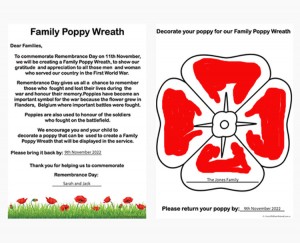
This template is to share with families to commemorate Remembrance Day on 11th November.
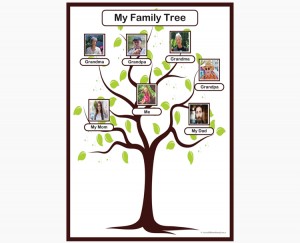
The My Family Tree is a template for families to create their own family tree. It can be used as a display within the room to create a sense of belonging for families within the service.

Research indicates children have better chances of achieving positive developmental and life outcomes when their families are constructively involved in their learning across settings – ranging from home and early years services to schools. Here are a few strategies for engaging families in early childhood education.

Inviting families to give their input on the care and education of their children is not only an NQS requirement – Quality Area 6: Collaborative partnerships with families and communities – but makes sheer practical sense. The more they feel their opinions on service policies are genuinely sought, the greater will be their acceptance of policies and satisfaction with the service. The following article provides strategies on how services and educators can include family input to ensure better outcomes for children.
 The Children’s Services Award introduces a streamlined classification system and updated pay rates designed to better recognise the skills, qualifications, and responsibilities of early childhood… Read More
 The Children’s Services Award has 8 clear levels. These levels make it easier to understand where you fit, based on your experience, qualifications, and responsibilities.… Read More
 When working as a qualified early childhood teacher (with a university degree) within a service, your rate of pay will come from the Educational Services… Read More
 Diploma-qualified educators play a vital role in early childhood services, taking on responsibilities that range from supporting children’s learning and development to leading rooms and… Read More
 Certificate III qualified educators form the backbone of early childhood services, providing essential care and learning support for children across all settings. Their wages under… Read More
 Early Childhood Teachers (ECTs) play a vital role in leading curriculum and pedagogy in early learning settings. Regulation 272 of the Education and Care Services… Read More
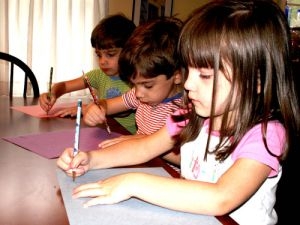 Discover how school readiness programs support children’s independence, confidence, and skills for a successful transition into primary school.
Read More
Discover how school readiness programs support children’s independence, confidence, and skills for a successful transition into primary school.
Read More
 When an Educator is not performing their tasks or responsibilities at best practice, these issues need to be addressed for the Educator to understand where… Read More
 Educators can maximise tax deductions by claiming classroom supplies, training, union fees, and home office costs this financial year.
Read More
Educators can maximise tax deductions by claiming classroom supplies, training, union fees, and home office costs this financial year.
Read More
 A staff appraisal is a formal, systematic process of determining and reviewing the performance of early childhood educators over a period of time, usually a… Read More

In early childhood services, spaces dedicated to books and storytelling are often referred to as...
See more...
A: The essence of reflection lies in its depth and authenticity—a well-articulated reflection can transport...
See more...
“Stay safe.” “Stay clean.” “Stay quiet.” “Do it right.” Individually, these phrases seem benign. But stacked...
See more...