Rest time in preschool settings has traditionally been associated with sleep. Yet, many children—especially as they approach school age—may not need or want to nap. For educators, this raises the question: how do we balance children’s individual needs with program requirements and the importance of downtime?
Principles of Best Practice
-
Respect Individual Rhythms
- Recognize that children’s sleep needs vary widely. Some may require a nap, while others are naturally alert and engaged.
- Avoid forcing sleep; instead, provide choices that honor autonomy.
-
Redefine “Rest”
- Rest does not have to mean sleep. It can mean quiet, calm, and restorative activities.
- Think of rest time as a pause in the day—a chance to recharge emotionally and physically.
-
Create Zones of Choice
- Offer a designated quiet area with mats for those who want to sleep.
- Provide a “calm corner” with books, puzzles, drawing materials, or soft music for children who prefer quiet engagement.
Practical Strategies
-
Quiet Play Options
- Picture books, audiobooks, or story CDs
- Gentle art activities (colouring, tracing, collage)
- Sensory trays with calming materials (sand, water beads, shells)
-
Mindfulness and Relaxation
- Guided breathing or yoga stretches
- Listening to calming sounds (rainforest, ocean waves)
- Simple meditation stories
-
Educator Role
- Model calmness—tone of voice, body language, and pacing matter.
- Scaffold self-regulation by teaching children how to relax without sleep.
- Document children’s choices and engagement during rest time as evidence of wellbeing and autonomy.
Benefits of a Flexible Approach
- Supports children’s emerging autonomy and decision-making.
- Promotes emotional wellbeing by reducing stress associated with forced sleep.
- Encourages inclusive practice, recognizing diverse cultural and family approaches to rest.
- Strengthens educator-child relationships through respect and trust.
Rethinking rest time is about shifting from a rigid expectation of sleep to a flexible, child-centred approach. By offering calm alternatives, educators can ensure that every child experiences rest in a way that meets their developmental needs—whether through sleep, quiet play, or mindful relaxation.
Further Reading
Using Calming Sounds to Support Rest Time in Early Childhood
Taking Children's Sleep Time Outside In Early Childhood Settings
Balancing A Child's Sleep Needs and Parental Preferences




 The Children’s Services Award introduces a streamlined classification system and updated pay rates designed to better recognise the skills, qualifications, and responsibilities of early childhood
 The Children’s Services Award has 8 clear levels. These levels make it easier to understand where you fit, based on your experience, qualifications, and responsibilities.
 When working as a qualified early childhood teacher (with a university degree) within a service, your rate of pay will come from the Educational Services
 Diploma-qualified educators play a vital role in early childhood services, taking on responsibilities that range from supporting children’s learning and development to leading rooms and
 Certificate III qualified educators form the backbone of early childhood services, providing essential care and learning support for children across all settings. Their wages under
 Early Childhood Teachers (ECTs) play a vital role in leading curriculum and pedagogy in early learning settings. Regulation 272 of the Education and Care Services
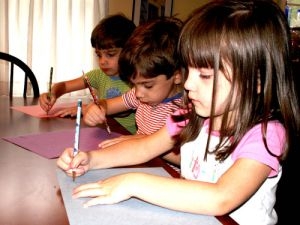 Discover how school readiness programs support children’s independence, confidence, and skills for a successful transition into primary school.
 When an Educator is not performing their tasks or responsibilities at best practice, these issues need to be addressed for the Educator to understand where
 Educators can maximise tax deductions by claiming classroom supplies, training, union fees, and home office costs this financial year.
 A staff appraisal is a formal, systematic process of determining and reviewing the performance of early childhood educators over a period of time, usually a