
For 3-year-olds who don’t nap, the key is offering calm, quiet, and engaging activities that help them reset without disturbing their sleeping peers. Think soft, independent activities like story listening, mindful breathing, or quiet table play. Here are some structured ideas you can try in your centre:
Calm & Reset Activities
- Story Listening Corner
Play gentle audiobooks or read short, soothing stories with soft voices. Choose predictable, calming narratives (e.g., animal adventures, bedtime-style tales). - Mindful Breathing & Stretching
Simple yoga poses (like “starfish stretch” or “butterfly wings”) paired with breathing exercises help children regulate energy. - Soft Music or Soundscapes
Gentle instrumental music, nature sounds, or lullabies can create a calming atmosphere.
Quiet Hands-On Options
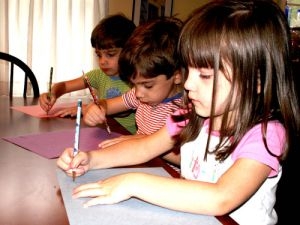
- Colouring or Drawing
Provide mandala-style colouring sheets or blank paper with crayons. The repetitive motion is soothing. - Puzzle Mats or Matching Games
Small, quiet puzzles or picture-matching cards keep them focused without noise. - Sensory Trays
Use items like felt shapes, soft fabric swatches, or quiet tactile objects (avoid noisy materials).
Independent Play Ideas
- “Rest Time Boxes”
Prepare individual boxes with quiet activities (books, soft toys, colouring sheets). Rotate contents weekly to keep interest fresh. - Picture Books with Soft Lighting
Allow children to browse books independently in a cozy nook. - Mindful JournalsFor older 3-year-olds, simple “quiet journals” with stickers or drawing prompts can help them reflect.
Practical Tips for Centres
- Set Clear Expectations: Frame it as “resting our bodies” rather than “nap time.”
- Keep Duration Short: 20–30 minutes is ideal—enough to reset without frustration.
- Consistency Matters: Use the same routine daily so children know what to expect.
- Environment Control: Dim lights, keep voices low, and use soft dividers to separate non-sleepers from nappers.
Sample Routine
- Mindful Moments
Gentle breathing, stretching, or yoga-inspired poses to help children regulate energy and calm their bodies.
- Quiet Hands-On Play
Colouring, puzzles, or tactile trays with soft materials that keep little hands busy without noise.
- Independent Choices
Personal “rest boxes,” picture books, or journals that allow children to engage quietly at their own pace.
- Soothing Soundscapes
Soft instrumental music, nature sounds, or audiobooks that create a calming atmosphere.
- Practical Environment Tips
Dim lighting, clear expectations, and consistent routines that signal “rest time” even without sleep.
Things to Avoid
- Loud or competitive games (they’ll wake peers).
- Activities requiring lots of movement (save those for outdoor play).
- Overly stimulating toys (bright flashing lights, noisy buttons).
In practice, many centres use a mix of quiet story listening, mindful breathing, and independent table play to give non-sleepers their “reset time.” This way, they still benefit from calm downtime while their friends nap.
Further Reading
Rethinking Rest Time in the Preschool Room
Using Calming Sounds to Support Rest Time in Early Childhood
Balancing A Child's Sleep Needs and Parental Preferences
Rest Periods For Non-Sleeping Children
References:
DC Area Moms
Baby Chick




 The Children’s Services Award introduces a streamlined classification system and updated pay rates designed to better recognise the skills, qualifications, and responsibilities of early childhood
 The Children’s Services Award has 8 clear levels. These levels make it easier to understand where you fit, based on your experience, qualifications, and responsibilities.
 When working as a qualified early childhood teacher (with a university degree) within a service, your rate of pay will come from the Educational Services
 Diploma-qualified educators play a vital role in early childhood services, taking on responsibilities that range from supporting children’s learning and development to leading rooms and
 Certificate III qualified educators form the backbone of early childhood services, providing essential care and learning support for children across all settings. Their wages under
 Early Childhood Teachers (ECTs) play a vital role in leading curriculum and pedagogy in early learning settings. Regulation 272 of the Education and Care Services
 Discover how school readiness programs support children’s independence, confidence, and skills for a successful transition into primary school.
 When an Educator is not performing their tasks or responsibilities at best practice, these issues need to be addressed for the Educator to understand where
 Educators can maximise tax deductions by claiming classroom supplies, training, union fees, and home office costs this financial year.
 A staff appraisal is a formal, systematic process of determining and reviewing the performance of early childhood educators over a period of time, usually a