


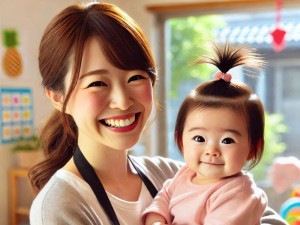
When working in an early childhood setting, one of the age groups that you will come across is 0–12 months, the nursery room. Looking after these youngesters takes a special skill set of patience and calmness. The following article provides information Minimum Requirements For Working In The Nursery, Ratios and Supervision In The Nursery Room, The Routine Of Working In The Nursery, Programming and Planning In The Nursery Room and more.

Explore infant and toddler pedagogy with secure relationships, responsive care, family partnerships, and trauma‑informed practices.

From the earliest months of life, babies thrive when given opportunities to experience the outdoors. Nature is not just a backdrop for play—it is a living classroom that nurtures physical strength, sensory exploration, emotional growth, and a deep sense of connection to the world. Outdoor play allows babies to move freely, discover textures, sounds, and sights, and begin forming bonds with their environment and the people around them.
For educators and families, planning outdoor play is about more than simply “taking babies outside.” It involves creating safe, stimulating spaces where babies can grasp, crawl, listen, and wonder. By offering open-ended materials, natural objects, and opportunities for social interaction, adults can scaffold experiences that support babies’ holistic development.
This guide explores outdoor play through the lens of Belonging, Being and Becoming—three dimensions that highlight how babies grow physically, emotionally, and socially in nature. Alongside practical strategies and safety considerations, it provides inspiration for educators and caregivers to design meaningful outdoor experiences that foster joy, resilience, and a lifelong respect for the environment.
 Toddlers have a greater understanding of the world around them by this stage. Their cognitive development (also known as intellectual development and thinking skills) continues… Read More
 Infants begin to develop trust when parents begin to fulfil their needs. Such as changing an infant's nappy when needed, feeding on request and holding… Read More
 Beginning at birth the construction of thought processes, such as memory, problem solving, exploration of objects etc, is an important part of an infant’s cognitive… Read More
 Toddlers want to do more on their own and do not like it when you begin to establish limits on their behaviour. Tantrums can become… Read More
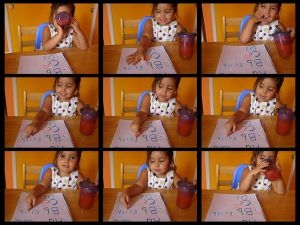 Your preschooler is now able to focus their attention more accurately and is less influenced by distractions. The intensity of questions increase as your child… Read More
 John Dewey is often seen as the proponent of learning by doing – rather than learning by passively receiving. He believed that each child was active,… Read More
 Erik Erikson developed a psychosocial theory to understand how we each develop our identities through eight stages of psychosocial development from infancy to adulthood. The… Read More
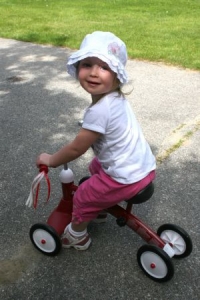 Toddler advance and gains new skills in Gross Motor Development milestones achieved throughout earlier years. Co-ordination and challenges that could not be performed before such… Read More
 At this point preschoolers begin to interact effectively with others. Play becomes more innovative and organized and “boyfriend” or “girlfriend” begins to emerge. Preschoolers have… Read More
 From now, babies begin to identify and respond to their own feelings, understanding other's feelings & needs and interact positively with others. A baby's social and… Read More
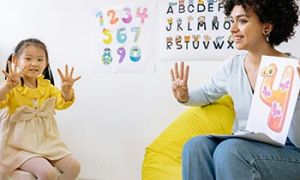
Preparing children for the leap into formal schooling involves more than academic knowledge—it means supporting...
See more...
As a parent, your behavioural expectations of your child can be higher than what is...
See more...
Tantrums can be intense, unpredictable, and emotionally draining for both children and adults. But beneath...
See more...