


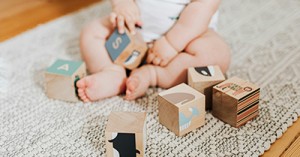
When we talk about programming and planning for babies in early childhood, we’re really delving into a thoughtful approach that values infants’ rapid developmental growth, emotional needs, and emerging personalities. Australian early childhood education has evolved to recognize that even the very youngest need intentional, responsive programming embedded in a secure, nurturing environment. Here are some key aspects to consider.
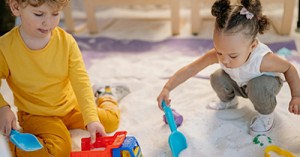
Documenting infant and toddler learning is a vital practice that captures the essence of their developmental journey. It involves observing, recording, and reflecting on their actions, interactions, and milestones to make their learning visible. The following article provides information on: Importance Of Documenting Infant and Toddler Learning and Development, Showcasing Infants and Toddlers Learning and Development, Documenting Infant and Toddler Milestones, Linking Infant and Toddler Learning To The EYLF and more.
Achieving EYLF Outcome 5—Children Are Effective Communicators—in the Babies Room focuses on fostering foundational communication skills in the youngest learners. In an environment where babies largely communicate non-verbally, educators play a crucial role in creating opportunities for both expressive and receptive language development. Here’s how you can integrate practices that support this outcome in the Babies Room.
The following provides a list of outdoor activities for babies and toddlers that promote sensory exploration and interaction with the natural environment. It also includes linking to the EYLF and the benefits of outdoor play for babies and toddlers.
EYLF Outcome 4: Children Are Confident and Involved Learners, focuses on fostering children's confidence and involvement as learners. The following article provides information on Strategies To Achieve Outcome 4 With Babies, Goals For Babies To Acheive EYLF Outcome 4, Example Activities That Link With Outcome 4 For Babies, and more.

Achieving EYLF Outcome 3: Children Have a Strong Sense Of Wellbeing, in the babies' room focuses on fostering a strong sense of well-being in infants. The following article provides information on Strategies To Achieve Outcome 3 With Babies, Goals For Babies To Acheive EYLF Outcome 3, Example Activities That Link With Outcome 3 For Babies, and more.
Caring for babies in their gross motor development stage involves encouraging activities that promote strength, coordination, and balance. The following article provides information on Strategies For Supporting Babies In Their Gross Motor Development, How To Encourage Sitting Unsupported, Structured Activities To Encourage Babies Gross Motor Development, and more.
Achieving EYLF Outcome 2: Children Are Connected With And Contribute To Their World in the babies' room developing a sense of connectedness and contribution to their world. The following article provides information on Strategies To Achieve Outcome 2 With Babies, Goals For Babies To Acheive EYLF Outcome 2, Example Activities That Link With Outcome 2 For Babies, and more.
Achieving EYLF Outcome 1: Children have a strong sense of identity in the babies' room involves creating an environment where each child feels safe, secure, and supported. The following article provides information on Strategies To Achieve Outcome 1 With Babies, Goals For Babies To Acheive EYLF Outcome 1, Example Activities That Link With Outcome 1 For Babies, and more.
When working in an early childhood setting, one of the age groups that you will come across is 0–12 months, the nursery room. Looking after these youngesters takes a special skill set of patience and calmness. The following article provides information Minimum Requirements For Working In The Nursery, Ratios and Supervision In The Nursery Room, The Routine Of Working In The Nursery, Programming and Planning In The Nursery Room and more.
 Toddlers have a greater understanding of the world around them by this stage. Their cognitive development (also known as intellectual development and thinking skills) continues… Read More
 Infants begin to develop trust when parents begin to fulfil their needs. Such as changing an infant's nappy when needed, feeding on request and holding… Read More
 Beginning at birth the construction of thought processes, such as memory, problem solving, exploration of objects etc, is an important part of an infant’s cognitive… Read More
 Toddlers want to do more on their own and do not like it when you begin to establish limits on their behaviour. Tantrums can become… Read More
 Your preschooler is now able to focus their attention more accurately and is less influenced by distractions. The intensity of questions increase as your child… Read More
 John Dewey is often seen as the proponent of learning by doing – rather than learning by passively receiving. He believed that each child was active,… Read More
 Erik Erikson developed a psychosocial theory to understand how we each develop our identities through eight stages of psychosocial development from infancy to adulthood. The… Read More
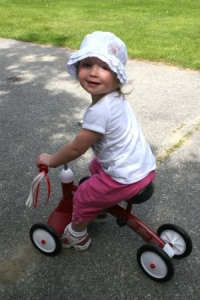 Toddler advance and gains new skills in Gross Motor Development milestones achieved throughout earlier years. Co-ordination and challenges that could not be performed before such… Read More
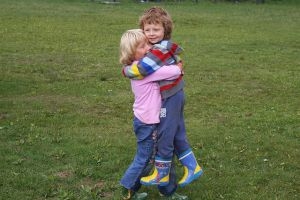 At this point preschoolers begin to interact effectively with others. Play becomes more innovative and organized and “boyfriend” or “girlfriend” begins to emerge. Preschoolers have… Read More
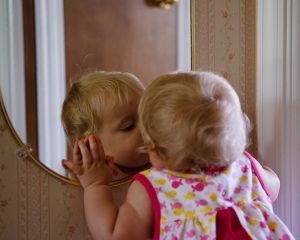 From now, babies begin to identify and respond to their own feelings, understanding other's feelings & needs and interact positively with others. A baby's social and… Read More
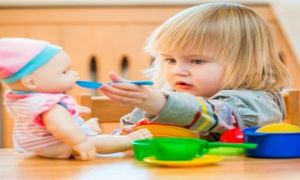
Swiss psychologist Jean Piaget theorized in the pre-operational stage between two and seven years, children...
See more...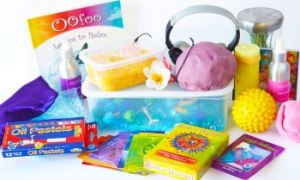
A calm down box has a variety of sensory tools that a child is encouraged...
See more...
Having a solid grasp of developmental stages will help you evaluate children's play and learning...
See more...