Discover fun ways to teach kids about native Australian animals with videos, printables, and activities that inspire learning and care.
Australia is home to unique native animals found nowhere else in the world. Teaching children about these creatures helps them build knowledge of biodiversity, develop respect for living things, and connect with their environment. This article provides videos, printables, and classroom strategies to support learning.
Children learn best when information is presented in engaging, visual formats. Videos allow them to see animals in their natural habitats, observe behaviours, and connect emotionally with wildlife. They also provide opportunities for group discussion and reflection.
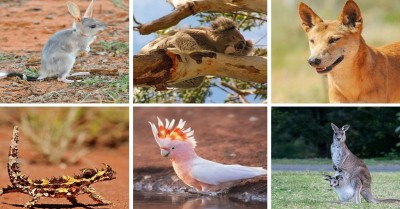
- Kangaroo - In this video, we learn about the different places that kangaroos live, and how they survive together in big mobs.
- Koala - Koalas are an endangered species and need our help to survive. Learn about Koalas in this video.
- Wombat - Wombats are tough animals with strong sturdy legs and thick skin. This video will teach you all about wombats.
- Emu - In this video, we see how stripy emu chicks hatch out of big blue eggs, and then grow quickly into tall, strong adults.
- Echidna - In this video, we learn about how echidnas find food, protect themselves from predators, find mates and look after their babies.
- Dingo - The dingo is a species of wild dog native to Australia. Learn about the different types of dingoes in Australia.
Native Australian Animal Printables
Hands‑on materials help children consolidate learning. Printables provide opportunities for literacy, art, and science integration, while also supporting independent and group activities.
-
Australian Animals Flashcards - The Australian Animal Flashcards enable children to recognise Australia's most common animals. Australia's habitats range from deserts, tropical rainforests, grasslands and more and within these habitats live Australia's recognisable animals. Many Australian animals are endemic to the country - meaning that they are only found in Australia. The following flashcards will help children to learn the names of famous Australian animals.
-
Australian Animal Colouring Pages - The Australian Animal Colouring Pages enable children to recognise and name common Australian animals. These colouring pages can be used as part of an art and craft experience where children can paint, colour, and collage each Aussie animal.
-
Australian Animal Information Posters - The Australian Animal Information Posters enable children to recognise and name Australia's most famous animals. There is also a brief description of each animal that can be read to children to provide them with knowledge about each Australian animal. These are great for the learning environment and to use during circle time discussions.
-
Tracing Words - Australian Animals - Encourage children to learn the names of 8 Australian Animals with these vocabulary worksheets. Children will enjoy identifying and learning the names of the animals in the picture and tracing over each letter to write its name. A great school readiness activity for preschoolers to practice their writing skills and to learn new vocabulary.
-
Australian Birds Colouring Pages - The Australian Birds Colouring Pages enable children to recognise and colour popular Australian birds. These colouring pages can be painted, collaged and more. These are great for children to begin identifying Australian birds.
Extending Learning
Beyond videos and printables, educators can extend children’s understanding through creative play, sustainability discussions, and inclusive practices. These activities deepen connections and encourage children to think critically about their environment.
- Auslan Integration – Pair animal posters with Auslan signs to support inclusive communication.
- Sustainability Links – Discuss endangered species (koala, bilby) and caring for habitats.
- Creative Play – Use playdough mats or dramatic play corners themed around Australian wildlife.
- Storytelling – Encourage children to invent stories featuring native animals, fostering imagination and literacy.
Teaching children about native Australian animals is more than just learning facts — it’s about fostering curiosity, respect, and responsibility for the environment. By combining videos, printables, and creative extensions, educators can create meaningful experiences that connect children to their world. These activities support EYLF outcomes, encourage sustainable thinking, and inspire children to become guardians of Australia’s unique wildlife.
Ultimately, when children learn about kangaroos, koalas, wombats, and other native species, they are not only discovering fascinating creatures but also developing a sense of belonging to the land they live on. As educators, weaving these lessons into everyday practice helps nurture a generation that values biodiversity and cares for the future of our planet.
Reference
Our Animals, ABC Education
 Open ended questions cannot be responded to with one word answers such as yes or no. These types of questions enables a child to provide
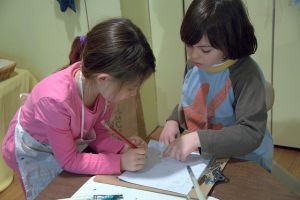 During your child’s preschool years, an important milestone begins to emerge. This is the development of pre-writing skills. Pre-writing skills are used to encourage, develop
 An Acknowledgment of the Country is a way of showing respect for the Traditional Owners and can be given by both non-Indigenous people and Aboriginal
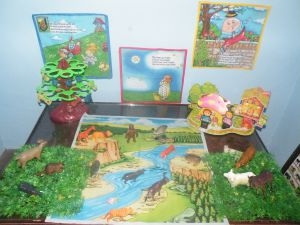 Open ended materials enables children to play freely. They are objects that have no rules to follow, use or function. Raw materials that can be
 Language plays an important role in a child’s development. It enables a child to communicate effectively with their family, learn at school, socialize with friends,
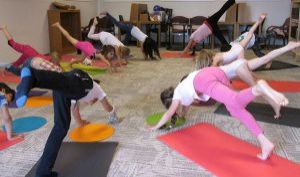 Like adults, children have to deal with their own stress in life. Moving house, starting a new school, preparing for a new sibling - these are
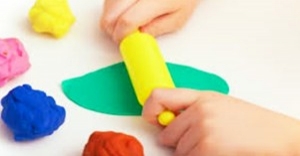 Playdough is such a versatile material. It provides numerous benefits to children as they manipulate it, it is safe and soothing and provides children with
 Teaching children about sustainability enables them to appreciate and respect the natural environment. Early childhood services can provide meaningful hand on learning experiences in order
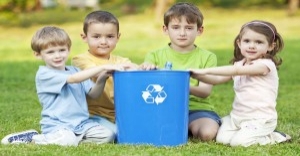 Recycling is an important concept that teaches children to care for the environment. It encourages children to be responsible and show a growing appreciating for
 Incursions provide children with the opportunity to explore meaningful learning experiences in the comfort of their early childhood service. The following provides a directory of