


School readiness means independence, confidence, curiosity, resilience, and relationships—skills that help preschoolers thrive in classrooms.

Preschool readiness goes beyond reciting letters or numbers; educators focus on curiosity, resilience, and real learning for school success.
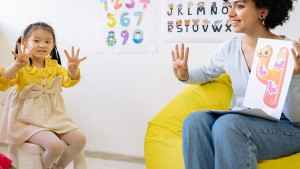
Is a school readiness program necessary? Explore how skills and dispositions are built through play, programs, and balanced approaches in early childhood.
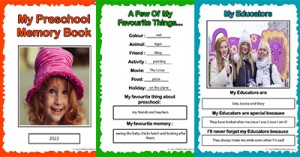
The “My Preschool Memory Book” is a heartfelt end-of-year keepsake designed to honour each child’s unique early learning journey. This 6-page portfolio template helps educators capture meaningful moments, relationships, and milestones as children prepare to transition from preschool to kindergarten.

Kindergarten is a joyful and important year in your child’s learning journey. It builds the foundation for school readiness through play, relationships, and exploration. But every child develops at their own pace—and readiness isn’t just about knowing letters or numbers. This factsheet offers a holistic view of what “readiness” might look like, helping you reflect on your child’s strengths, needs, and personality.

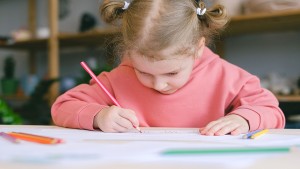
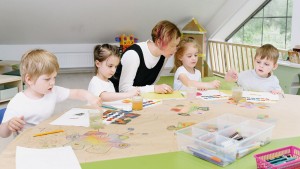
In early childhood education, the phrase “school readiness” often conjures images of children sitting quietly at tables, practicing handwriting or phonics. But this narrow view overlooks the rich, embodied ways that young children learn. As research and practice continue to affirm, four-year-olds don’t need to sit still to be ready for school, they need to move, explore, and play.
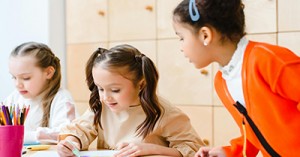
The transition from preschool to kindergarten isn’t just academic—it’s deeply social. As children move from parallel play to collaborative learning, they begin to form friendships, navigate conflict, and express their unique identities. These social and personal skills are the bedrock of emotional wellbeing and school readiness.
In early childhood education, the decision to defer a child’s school entry by a year is often framed as “staying back.” But educators across Australia are challenging this language, advocating instead for a strengths-based perspective: sending children when they are developmentally ready.
 Open ended questions cannot be responded to with one word answers such as yes or no. These types of questions enables a child to provide… Read More
 During your child’s preschool years, an important milestone begins to emerge. This is the development of pre-writing skills. Pre-writing skills are used to encourage, develop… Read More
 An Acknowledgment of the Country is a way of showing respect for the Traditional Owners and can be given by both non-Indigenous people and Aboriginal… Read More
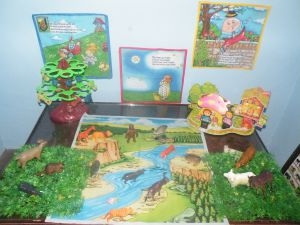 Open ended materials enables children to play freely. They are objects that have no rules to follow, use or function. Raw materials that can be… Read More
 Language plays an important role in a child’s development. It enables a child to communicate effectively with their family, learn at school, socialize with friends,… Read More
 Like adults, children have to deal with their own stress in life. Moving house, starting a new school, preparing for a new sibling - these are… Read More
 Playdough is such a versatile material. It provides numerous benefits to children as they manipulate it, it is safe and soothing and provides children with… Read More
 Teaching children about sustainability enables them to appreciate and respect the natural environment. Early childhood services can provide meaningful hand on learning experiences in order… Read More
 Recycling is an important concept that teaches children to care for the environment. It encourages children to be responsible and show a growing appreciating for… Read More
 Incursions provide children with the opportunity to explore meaningful learning experiences in the comfort of their early childhood service. The following provides a directory of… Read More

A: A jotting observation is a concise and informal way to document significant events, behaviors...
See more...
Music activities are a fantastic way to engage children, enhance their creativity, and support their...
See more...
A: In early childhood education and care (ECEC) settings across Australia, mobile phone use by educators...
See more...