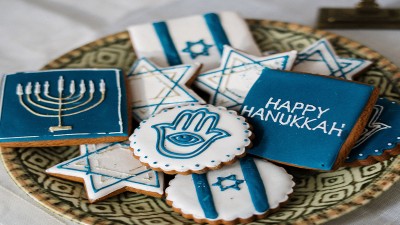
Hanukkah, also known as the Festival of Lights, is a Jewish celebration that commemorates a historic event and is observed over eight days. In early childhood services, learning about Hanukkah provides an opportunity to promote diversity, inclusion, and respect for different cultures and traditions.
Date: Hanukkah begins at sundown on Friday, December 4, and continues through Saturday, December 12.
Educators can introduce children to Hanukkah in a meaningful and age-appropriate way while ensuring that all families feel respected and valued.
Ideas and Strategies for Educators
When exploring Hanukkah with children, focus on learning about the celebration rather than recreating religious practices. The goal is to build cultural awareness and an appreciation of diversity.
Some ideas include:
- Storytelling and Books
Read age-appropriate picture books that introduce Hanukkah traditions, symbols, and family celebrations. Stories help children understand how different families celebrate special occasions. - Creative Arts and Crafts
Invite children to create Hanukkah-inspired artwork such as:
Menorah collages using paper shapes
Star-themed artwork
Blue and silver paintings
Tissue paper candle crafts
These activities encourage creativity while introducing cultural symbols in a respectful way. - Music and Movement
Share traditional Hanukkah songs and invite children to dance or move to the music. Music provides an engaging way for children to learn about cultural celebrations. - Sensory Experiences
Create sensory trays using blue and silver items, textured materials, or loose parts inspired by Hanukkah colours. Children can explore through touch, sorting, and imaginative play. - Discussions About Celebrations
Encourage children to talk about special events and traditions in their own families. This helps children recognise similarities and differences between cultures while promoting a sense of belonging.
Respectful Celebrations
When celebrating cultural events in early childhood settings, it is important to approach learning with respect and authenticity.
Educators can:
- Research traditions carefully to ensure information is accurate.
- Use inclusive language when discussing celebrations.
- Focus on cultural understanding rather than religious participation.
- Avoid stereotypes, costumes, or activities that may misrepresent traditions.
- Seek guidance from Jewish families or community members if they are comfortable sharing their experiences.
- Ensure learning experiences align with the service's inclusion and diversity policies.
Rather than asking children to participate in religious rituals, educators can explore themes such as light, family, community, kindness, and belonging that connect with children's everyday experiences.
What To Do If a Family Doesn't Allow a Child to Participate
Families have different beliefs, values, and cultural practices. Some families may prefer that their child does not participate in activities related to particular celebrations. It is important to respect these decisions without judgement.
Educators should:
- Have open and respectful conversations with families about planned experiences.
- Listen carefully to family concerns and preferences.
- Provide alternative activities that are equally engaging and meaningful.
- Ensure the child does not feel excluded, singled out, or different from their peers.
- Document family preferences and communicate them with relevant staff members.
- Continue to promote inclusion and respect for all beliefs and backgrounds.
For example, if a family chooses not to have their child participate in Hanukkah-themed experiences, the child could engage in a general art, literacy, or sensory activity alongside peers. The focus should remain on ensuring every child feels safe, respected, and included within the learning environment.
Celebrating Hanukkah in early childhood services provides valuable opportunities for children to learn about diversity, respect, and inclusion. Through thoughtful planning, meaningful discussions, and culturally responsive practices, educators can create experiences that honour Jewish traditions while supporting every child's right to belong. By working collaboratively with families and respecting individual choices, services can foster a welcoming environment where all cultures and beliefs are valued and celebrated.
 Open ended questions cannot be responded to with one word answers such as yes or no. These types of questions enables a child to provide
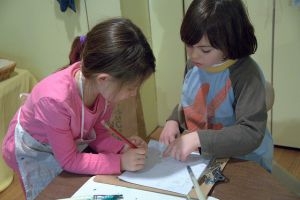 During your child’s preschool years, an important milestone begins to emerge. This is the development of pre-writing skills. Pre-writing skills are used to encourage, develop
 An Acknowledgment of the Country is a way of showing respect for the Traditional Owners and can be given by both non-Indigenous people and Aboriginal
 Open ended materials enables children to play freely. They are objects that have no rules to follow, use or function. Raw materials that can be
 Language plays an important role in a child’s development. It enables a child to communicate effectively with their family, learn at school, socialize with friends,
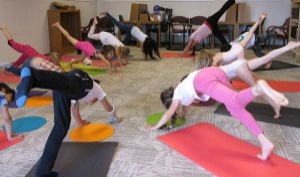 Like adults, children have to deal with their own stress in life. Moving house, starting a new school, preparing for a new sibling - these are
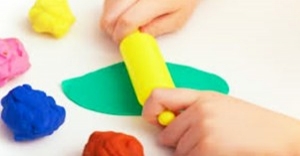 Playdough is such a versatile material. It provides numerous benefits to children as they manipulate it, it is safe and soothing and provides children with
 Teaching children about sustainability enables them to appreciate and respect the natural environment. Early childhood services can provide meaningful hand on learning experiences in order
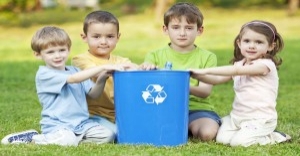 Recycling is an important concept that teaches children to care for the environment. It encourages children to be responsible and show a growing appreciating for
 Incursions provide children with the opportunity to explore meaningful learning experiences in the comfort of their early childhood service. The following provides a directory of