December is a wonderful month for exploring cultural diversity, celebrations, community connections, sustainability, inclusion, and kindness with children. These activities can help educators create engaging learning experiences that foster curiosity, empathy, and a sense of connection to the wider world.
Decembeard (1st – 31st December)
Decembeard raises awareness of bowel cancer and encourages conversations about health and wellbeing.
Activity Ideas
- Design and decorate funny beards using collage materials.
EYLF 1.4: Children learn to interact in relation to others with care, empathy and respect.
- Create beard-themed playdough invitations.
EYLF 3.2: Children take increasing responsibility for their own health and wellbeing.
- Discuss healthy foods that help keep our bodies strong.
EYLF 4.4: Children resource their own learning through connecting with people, places, technologies and materials.
- Set up a barber shop dramatic play experience.
EYLF 5.5: Children use information and communication technologies to access information and investigate ideas.
No Gender December (1st – 31st December)
No Gender December encourages children to explore interests freely without gender stereotypes.
Activity Ideas
- Read stories that challenge traditional gender roles.
EYLF 1.4: Children learn to interact in relation to others with care, empathy and respect.
- Invite children to try a variety of toys and learning experiences.
EYLF 2.1: Children develop a sense of belonging to groups and communities.
- Create self-portraits celebrating individuality.
EYLF 4.4: Children resource their own learning through connecting with people, places, technologies and materials.
- Discuss how everyone can choose activities they enjoy.
EYLF 5.5: Children use information and communication technologies to access information and investigate ideas.
World AIDS Day (1st December)
World AIDS Day promotes awareness, understanding, compassion, and inclusion.
Activity Ideas
- Create a friendship chain displaying acts of kindness.
EYLF 1.4: Children learn to interact in relation to others with care, empathy and respect.
- Make red ribbon collages.
EYLF 2.1: Children develop a sense of belonging to groups and communities.
- Read stories focused on caring and empathy.
EYLF 3.1: Children become strong in their social and emotional wellbeing.
- Discuss ways to support and include others.
EYLF 5.1: Children interact verbally and non-verbally with others.
International Day of Persons with Disabilities (3rd December)
A day to celebrate the contributions and achievements of people of all abilities.
Activity Ideas
- Create an "Everyone Belongs" mural.
EYLF 1.4: Children learn to interact in relation to others with care, empathy and respect.
- Participate in adapted movement games.
EYLF 2.1: Children develop a sense of belonging to groups and communities.
- Explore inclusion through storybooks.
EYLF 4.1: Children develop dispositions for learning.
- Discuss different ways people communicate and move.
EYLF 5.3: Children express ideas and make meaning using a range of media.
International Cookie Day (4th December)
A fun celebration of one of the world's favourite treats.
Activity Ideas
- Bake simple cookies together.
EYLF 3.2: Children take increasing responsibility for their own health and wellbeing.
- Conduct a cookie taste-testing graph.
EYLF 4.2: Children develop a range of skills and processes.
- Decorate paper cookie crafts.
EYLF 4.4: Children resource their own learning through connecting with people, places, technologies and materials.
- Use cookie cutters in sensory dough play.
EYLF Children use information and communication technologies to access information and investigate ideas.
Hanukkah (4th – 12th December)
Hanukkah is a Jewish festival celebrating resilience, faith, and tradition.
Activity Ideas
- Create menorah crafts using collage materials.
EYLF 2.1: Children develop a sense of belonging to groups and communities.
- Explore light and shadow investigations.
EYLF 2.2: Children respond to diversity with respect.
- Read stories about Hanukkah traditions.
EYLF 4.1: Children develop dispositions for learning.
- Make and play with paper dreidles.
EYLF Outcomes: 2.1, 2.2, 4.1, 5.1
National Pearl Harbour Remembrance Day (7th December)
A day to reflect on remembrance, peace, and community.
Activity Ideas
- Create peace dove artwork.
EYLF 2.1: Children develop a sense of belonging to groups and communities.
- Discuss community helpers and heroes.
EYLF 2.2: Children respond to diversity with respect.
- Paint poppy-inspired art.
EYLF 5.1: Children interact verbally and non-verbally with others.
- Share stories about helping and caring for others.
EYLF 5.4: Children begin to understand how symbols and pattern systems work.
Human Rights Day (10th December)
Human Rights Day encourages respect, fairness, dignity, and inclusion.
Activity Ideas
- Create a children's rights chart.
EYLF 1.4: Children learn to interact in relation to others with care, empathy and respect.
- Participate in fairness role-play scenarios.
EYLF 2.1: Children develop a sense of belonging to groups and communities.
- Design "All About Me" posters.
EYLF 5.1: Children interact verbally and non-verbally with others.
- Discuss respectful ways to use our voices.
EYLF 5.2: Children engage with a range of texts and gain meaning from them.
International Mountain Day (11th December)
A celebration of mountains and their importance to people, animals, and the environment.
Activity Ideas
- Build mountain landscapes using blocks.
EYLF 2.4: Children become socially responsible and show respect for the environment.
- Explore mountain animals and habitats.
EYLF 4.1: Children develop dispositions for learning.
- Create textured mountain paintings.
EYLF 4.4: Children resource their own learning through connecting with people, places, technologies and materials.
- Construct outdoor climbing and balancing courses.
EYLF 5.5: Children use information and communication technologies to access information and investigate ideas.
Chocolate and Coffee Day for Religious Harmony (15th December)
A day encouraging conversations, understanding, and respect among people of different cultures and faiths.
Activity Ideas
- Create a friendship tree celebrating diversity.
EYLF 1.4: Children learn to interact in relation to others with care, empathy and respect.
- Learn greetings from different languages.
EYLF 2.1: Children develop a sense of belonging to groups and communities.
- Share family traditions and celebrations.
EYLF 2.2: Children respond to diversity with respect.
- Participate in multicultural music and movement experiences.
EYLF 5.1: Children interact verbally and non-verbally with others.
International Migrants Day (18th December)
This day recognises the contributions and experiences of migrants around the world.
Activity Ideas
- Create family heritage displays.
EYLF 1.3: Children develop knowledgeable and confident self-identities.
- Explore children's cultural backgrounds through maps.
EYLF 2.1: Children develop a sense of belonging to groups and communities.
- Listen to stories from around the world.
EYLF 2.2: Children respond to diversity with respect.
- Make flags representing different countries.
EYLF 5.1: Children interact verbally and non-verbally with others.
International Human Solidarity Day (20th December)
A celebration of unity, kindness, cooperation, and helping others.
Activity Ideas
- Create helping-hands artwork.
EYLF 1.4: Children learn to interact in relation to others with care, empathy and respect.
- Complete a classroom kindness challenge.
EYLF 2.1: Children develop a sense of belonging to groups and communities.
- Work on a collaborative mural.
EYLF 2.2: Children respond to diversity with respect.
- Discuss ways children can help others.
EYLF 3.1: Children become strong in their social and emotional wellbeing.
Buy Nothing Christmas (24th December)
An opportunity to explore sustainability and mindful consumption.
Activity Ideas
- Create toys from recycled materials.
EYLF 2.4: Children become socially responsible and show respect for the environment.
- Make handmade gifts for loved ones.
EYLF 3.2: Children take increasing responsibility for their own health and wellbeing.
- Design reusable wrapping paper.
EYLF 4.4: Children resource their own learning through connecting with people, places, technologies and materials.
- Discuss reducing waste during celebrations.
EYLF 5.2: Children engage with a range of texts and gain meaning from them.
Christmas Day (25th December)
Christmas is celebrated in many countries around the world through a variety of religious and cultural traditions.
Activity Ideas
- Create Christmas cards and decorations.
EYLF 2.1: Children develop a sense of belonging to groups and communities.
- Read Christmas stories from different cultures.
EYLF 2.2: Children respond to diversity with respect.
- Decorate a classroom Christmas tree.
EYLF 4.1: Children develop dispositions for learning.
- Set up Christmas-themed dramatic play experiences.
5.1: Children interact verbally and non-verbally with others.
The 12 Do's of Christmas (25th December)
The 12 Do's of Christmas encourages environmentally friendly festive practices.
Activity Ideas
- Create eco-friendly decorations using natural materials.
EYLF 2.4: Children become socially responsible and show respect for the environment.
- Learn about recycling and reducing waste.
EYLF 3.2: Children take increasing responsibility for their own health and wellbeing.
- Develop a sustainability checklist.
EYLF 4.4: Children resource their own learning through connecting with people, places, technologies and materials.
- Explore ways to save energy during celebrations.
EYLF 5.5: Children use information and communication technologies to access information and investigate ideas.
Boxing Day (26th December)
Boxing Day provides opportunities to reflect on giving, gratitude, and community support.
Activity Ideas
- Create thank-you cards.
EYLF 1.4: Children learn to interact in relation to others with care, empathy and respect.
- Discuss gratitude and kindness.
EYLF 2.1: Children develop a sense of belonging to groups and communities.
- Organise a toy donation project.
EYLF 3.1: Children become strong in their social and emotional wellbeing.
- Participate in cooperative games.
EYLF 3.2: Children take increasing responsibility for their own health and wellbeing.
Kwanzaa (26th December – 1st January)
Kwanzaa celebrates African heritage, culture, family, and community.
Activity Ideas
- Explore African-inspired art patterns.
EYLF 1.3: Children develop knowledgeable and confident self-identities.
- Listen and move to African music.
EYLF 2.1: Children develop a sense of belonging to groups and communities.
- Create unity cup crafts.
EYLF 2.2: Children respond to diversity with respect.
- Share stories about family and community values.
EYLF 5.1: Children interact verbally and non-verbally with others.
New Year's Eve (31st December)
New Year's Eve is a time to reflect on the year that has passed and look forward to new experiences.
Activity Ideas
- Create a learning memories scrapbook.
EYLF 1.3: Children develop knowledgeable and confident self-identities.
- Design party hats and celebration crafts.
EYLF 4.1: Children develop dispositions for learning.
- Make countdown clocks.
EYLF 5.1: Children interact verbally and non-verbally with others.
- Share hopes and goals for the new year.
EYLF 5.5: Children use information and communication technologies to access information and investigate ideas.

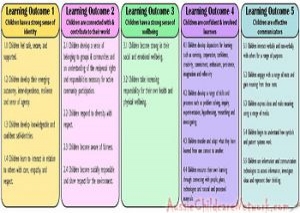 Here is the list of the EYLF Learning Outcomes that you can use as a guide or reference for your documentation and planning. The EYLF
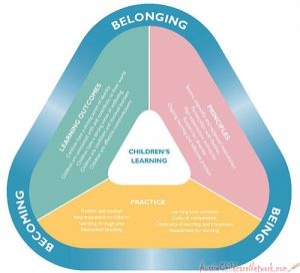 The EYLF is a guide which consists of Principles, Practices and 5 main Learning Outcomes along with each of their sub outcomes, based on identity,
 This is a guide on How to Write a Learning Story. It provides information on What Is A Learning Story, Writing A Learning Story, Sample
 One of the most important types of documentation methods that educators needs to be familiar with are “observations”. Observations are crucial for all early childhood
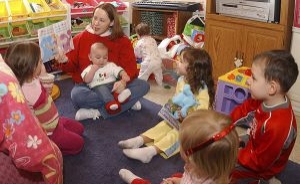 To support children achieve learning outcomes from the EYLF Framework, the following list gives educators examples of how to promote children's learning in each individual
 Reflective practice is learning from everyday situations and issues and concerns that arise which form part of our daily routine while working in an early
 When observing children, it's important that we use a range of different observation methods from running records, learning stories to photographs and work samples. Using
 Within Australia, Programming and Planning is reflected and supported by the Early Years Learning Framework. Educators within early childhood settings, use the EYLF to guide
 This is a guide for educators on what to observe under each sub learning outcome from the EYLF Framework, when a child is engaged in
 The Early Years Learning Framework describes the curriculum as “all the interactions, experiences, activities, routines and events, planned and unplanned, that occur in an environment