



Over the next five years, educators across the sector will see steady, structured wage increases designed to lift pay to the new benchmark rates for each qualification level. These increases begin with a 5% rise in March 2026, followed by annual increases each 30 June, and finish with a small top‑up adjustment in the final year to ensure every educator reaches their correct new classification rate.


Attachment theory is a key concept in developmental psychology that examines the importance of early relationships between children and their Educators.The following article provides information on What Is Attachment Theory, Key Aspects of Attachment Theory, Significance of Strong, Secure Attachments, Practical Strategies For Attachment Theory, How Lack Of Attachment Can Impact On Development and more.

The Australian 24-Hour Movement Guidelines for the Early Years provide comprehensive recommendations for physical activity, sedentary behavior, and sleep for children from birth to 5 years. The following article provides information About The Australian 24-Hour Movement Guidelines for the Early Years, Key Recommendations, and more.

RPL is a process where your previous learning, skills, and experience are formally recognized towards a qualification. The following article provides information on Relevant Experience, Gathering Evidence, Application Process, Assessment and more.

A Cert 3 Educator in early childhood settings in Australia plays a vital role in providing high-quality education and care for young children. The following articles provides information on Key Responsibilities, Skills and Attributes of a Certificate 3 In Early Childhood Education.

The differences between a Certificate III and a Diploma in Early Childhood Education and Care depends on your career goals, current qualifications, and the level of responsibility you wish to take on. The following article provides information on the Cert 3 and Diploma in Early Childhood Education and Care.

Traineeships in early childhood settings in Australia offer a fantastic opportunity to gain practical experience while earning a qualification. The following article provides information on the Types Of Traineeships Available, Cert 3 Traineeship, Diploma Traineeship, Benefits Of A Traineeship, What To Expect and more.

TAFE Queensland is offering fee-free entry-level Certificate III qualifications in Early Childhood Education and Care. The qualification is the minimum requirement for early childhood settings in Australia.

Fee-free early childhood education and care training are available to any eligible NSW resident, regardless of age, employment status or prior qualifications.
 If you’re doing your Certificate III in Early Childhood Education and Care through a traineeship, your pay and conditions work differently to other educators. This… Read More
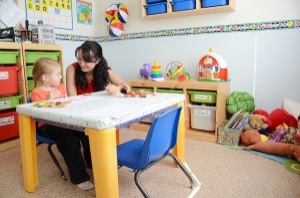 Work placement is an excellent opportunity for you to prepare and gain insight into the early childhood industry as well as help you to clarify… Read More
 Are you thinking of starting a traineeship in childcare? Well from personal experience, working in this child care industry brings great fulfilment and satisfaction. Watching… Read More
 There is no truth to the rumour that the certificate III or 'actively working towards' will be phased out.
Read More
There is no truth to the rumour that the certificate III or 'actively working towards' will be phased out.
Read More
 For educators looking to update their qualification and have the required knowledge, experience and skills instead of completing assignments and tasks to complete a qualification… Read More
 As a student finding information and doing research is an important part of completing assignments. Once you find the information you need to complete the… Read More
 Hiring overseas educators can not only bring a service the benefits of a diverse, multicultural workplace but also address staffing shortage issues. However before an… Read More
 Being a student and completing assessments can be a hard task. Especially when you don’t understand what the question is, you have to write an… Read More
 As you take the next big step and decide to continue studying you need to decide whether you will be able to manage working at… Read More
 Making the decision to study is a big one. It can be stressful, thinking of how you're going to complete assignments or if you're going… Read More

Hiring overseas educators can not only bring a service the benefits of a diverse, multicultural...
See more...
Introverted children have unique qualities and strengths that set them apart from their extroverted peers...
See more...
The internet is the quickest and easiest way to get information. For assignments, activities, craft...
See more...