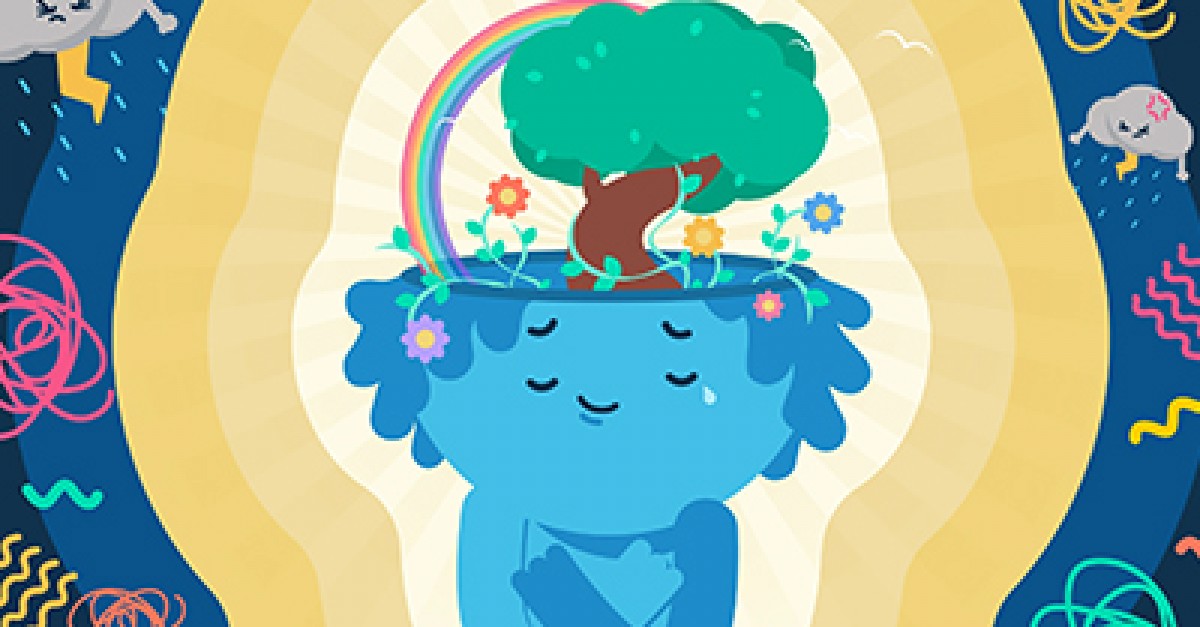
World Mental Health Day, on October 10th, provides an opportunity to nurture emotional wellbeing, resilience, and empathy in early childhood settings. For children, mental health isn’t about diagnoses, it’s about feeling safe, seen, and supported. The following article provides information on Why It Matters in Early Childhood, Activities for Young Children and more.
Why It Matters in Early Childhood
- Builds emotional literacy and self-awareness
- Normalizes conversations about feelings and wellbeing
- Strengthens relationships and community care
- Supports regulation and resilience from the earliest years
Activities for Young Children
Feelings Garden
- Children “plant” paper flowers labeled with emotions (happy, sad, excited, worried).
- Use mirrors and emotion cards to help them identify and name feelings.
- Encourages emotional vocabulary and self-expression.
Mindful Moments Jar
- Fill a jar with calming activities (e.g., “Take 3 deep breaths,” “Stretch like a cat,” “Listen to a soft sound”).
- Children choose a moment when they need to reset or reflect.
- Supports self-regulation and autonomy.
“I Feel…” Story Stones
- Create stones with simple emotion faces.
- Children use them during play or storytelling to express how characters (or themselves) feel.
- Great for dramatic play and child voice documentation.
Kindness Quilt
- Each child decorates a square with a kind act they’ve done or received.
- Assemble into a visual quilt of care and connection.
- Reinforces prosocial behavior and community belonging.
Safe Space Corner
- Create a cozy nook with soft textures, calming visuals, and emotion tools.
- Invite children to visit when they need a break or comfort.
- Models emotional safety and self-care.
Feelings Check-In Circle
- Use emotion cards, mirrors, or soft toys to help children name how they feel.
- Invite them to share: “Today I feel…” or “My heart feels like…”
- Builds emotional literacy and trust.
Mindful Movement Moments
- Create a short routine with calming stretches and breathing (e.g., “Butterfly Breaths,” “Rainbow Reach”).
- Use soft music or nature sounds to guide transitions.
- Supports regulation and body awareness.
“What Helps Me Feel Better” Collage
- Children cut and paste images or draw things that comfort them (e.g., hugs, pets, quiet corners).
- Use as a visual tool for future emotional support.
Kindness Role Play
- Set up dramatic play scenarios where children practice helping, comforting, or listening.
- Use puppets or dolls to model empathy and care.
Storytime That Sparks Conversation
Choose books that explore emotions, resilience, or kindness. After reading, ask:
- “How did the character feel?”
- “What helped them feel better?”
- “What would you do if you felt that way?”
Further Reading
Teaching Children About Emotions
Teaching Emotional Vocabulary To Toddlers and Preschoolers
Encouraging Children to Express Emotions Appropriately
30 Emotional Regulation Activities For Toddlers and Preschoolers
Feelings Toolbox
Feelings Posters
Teaching Children To Identify Their Anger Signs
Feelings Flashcards
Emotional Awareness and Self-Regulation Skills For Children
Feelings Posters