Quality Area 6 of the National Quality Standard (NQS) focuses on Collaborative Partnerships with Families and Communities. This area emphasises building respectful relationships, engaging families in decision-making, and connecting with the wider community to support children’s learning and wellbeing.
Standard 6.1 – Supportive Relationships with Families
-
Welcoming Environment
-
Hosting “Coffee & Chat” mornings for parents to connect with educators.
-
Displaying a “Family Tree Wall” with photos and cultural symbols.
-
Providing a parent lounge area with resources on child development.
-
Offering flexible drop‑off times so families can settle children calmly.
-
Creating a “Welcome Book” with greetings in multiple languages.
-
-
Communication Strategies
-
Creating short video updates for families via secure platforms.
-
Offering bilingual newsletters for diverse communities.
-
Holding quarterly family forums to discuss curriculum and service updates.
-
Using digital portfolios where parents can comment on children’s work.
-
Sending SMS reminders for upcoming events or workshops.
-
-
Family Input
-
Inviting parents to share professional expertise (e.g., doctors, artists, chefs).
-
Running surveys to gather family preferences for excursions.
-
Including family recipes in the service menu rotation.
-
Asking families to contribute to “Cultural Celebration Days".
-
Encouraging parents to suggest topics for enquiry projects.
-
Standard 6.2 – Collaborative Partnerships
-
Community Involvemen
-
Partnering with local fire brigade for safety demonstrations.
-
Hosting visits from community musicians or storytellers.
-
Engaging local artists to run workshops with children.
-
Inviting Indigenous elders to share Dreamtime stories.
-
Collaborating with local sports clubs for active play sessions.
-
-
Partnership Projects
-
Joint art exhibitions with primary schools.
-
Community garden projects with local residents.
-
Partnering with aged care facilities for intergenerational play sessions.
-
Running fundraising drives with local charities.
-
Coordinating transition programs with nearby schools.
-
-
Inclusive Practices
-
Celebrating international days (e.g., Lunar New Year, Diwali).
-
Providing interpreters for parent meetings.
-
Displaying multilingual welcome signs at the entrance.
-
Offering translated enrolment forms and policies.
-
Ensuring cultural artefacts are included in play spaces.
-
Standard 6.3 – Community Engagement
-
Local Excursions
-
Trips to local farmers’ markets to learn about food origins.
-
Visiting animal shelters to promote empathy and care.
-
Exploring nearby cultural centres or art galleries.
-
Attending local theatre performances for children.
-
Walks to nearby parks for nature exploration.
-
-
Health & Wellbeing Links
-
Collaborating with yoga instructors for family wellness sessions.
-
Hosting mental health awareness talks with professionals.
-
Running healthy lunchbox workshops with dietitians.
-
Partnering with dental clinics for free check‑ups.
-
Inviting child psychologists for parent information evenings.
-
-
Celebrating Community Events
-
Joining Clean Up Australia Day with children and families.
-
Participating in Wear It Purple Day to promote inclusion.
-
Hosting stalls at local fairs showcasing children’s artwork.
-
Celebrating NAIDOC Week with cultural activities.
-
Supporting Red Nose Day through fundraising and awareness.
-
Practical Example Snapshots
-
A centre hosts a “Family Skills Week”, where parents run mini‑workshops (gardening, cooking, storytelling).
-
Educators partner with a local aged care home for monthly visits, fostering intergenerational connections.
-
The service collaborates with a community sports club to provide active play sessions for children.
-
Families and educators join a neighbourhood clean‑up project, teaching children about environmental responsibility.
Further Reading
How To Achieve Quality Area 6
Exceeding Guidance For Quality Area 6
Quality Area 6 Cheat Sheet
Reflection Questions For Quality Area 6
Documentation Services Require To Support Quality Area 6




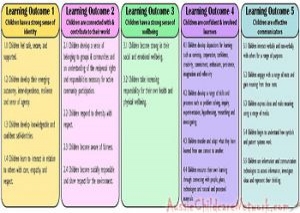 Here is the list of the EYLF Learning Outcomes that you can use as a guide or reference for your documentation and planning. The EYLF
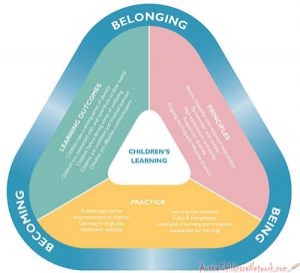 The EYLF is a guide which consists of Principles, Practices and 5 main Learning Outcomes along with each of their sub outcomes, based on identity,
 This is a guide on How to Write a Learning Story. It provides information on What Is A Learning Story, Writing A Learning Story, Sample
 One of the most important types of documentation methods that educators needs to be familiar with are “observations”. Observations are crucial for all early childhood
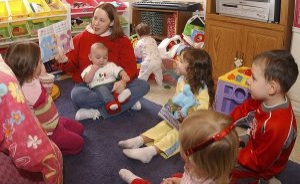 To support children achieve learning outcomes from the EYLF Framework, the following list gives educators examples of how to promote children's learning in each individual
 Reflective practice is learning from everyday situations and issues and concerns that arise which form part of our daily routine while working in an early
 When observing children, it's important that we use a range of different observation methods from running records, learning stories to photographs and work samples. Using
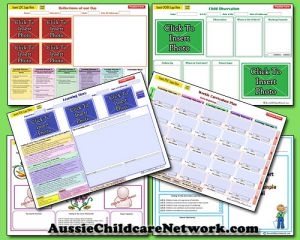 Within Australia, Programming and Planning is reflected and supported by the Early Years Learning Framework. Educators within early childhood settings, use the EYLF to guide
 This is a guide for educators on what to observe under each sub learning outcome from the EYLF Framework, when a child is engaged in
 The Early Years Learning Framework describes the curriculum as “all the interactions, experiences, activities, routines and events, planned and unplanned, that occur in an environment