



Learn how to write engaging learning stories in early childhood with this step‑by‑step guide, designed to support educators in documenting children’s growth.
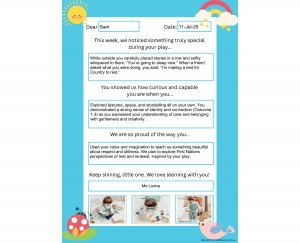
This template can be used as a learning story.

Writing a group learning story is a fantastic way to document the collective learning experience of a group of children. Unlike individual learning stories, which focus on a single child, group learning stories capture the interactions, discoveries, and shared experiences of multiple children within a learning environment. The following article provides information on Steps to Write a Group Learning Story, Do I Have To Include All Children's Names?. Can I Include Group Stories In Individual Portfolios?, Best Practices For Documenting Group Learning Stories, Example Of A Group Learning Story and more.

Writing a learning story is a wonderful way to document and celebrate children’s development and achievements. The following article provides information on a Step By Step Guide To Writing A Learning Story
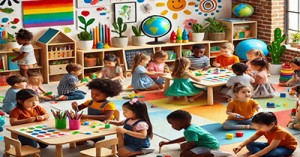
Learning centers in early childhood education are dedicated areas within the learning environments where children engage in specific activities designed to develop various skills. The following article provides information on Benefits Of Using Learning Centres, Types Of Learning Centres, Outdoor Learning Centres, Advantages Of Incorporating Learning Centres Into Early Childhood Programs, How To Plan For Learning Centres, Materials Needed For Each Learning Centre and more.

The EYLF explains assessment for children’s learning as the process of gathering and analysing information as evidence about what children know, can do and understand. It is a key part of an ongoing cycle that includes planning, documenting and evaluating children’s learning. And one of the most effective forms of such documentation is the learning story. The following article provides information on What Is A Learning Story, the Components Of A Learning Story, Writing A Learning Story, What To Include In A Learning Story and more.
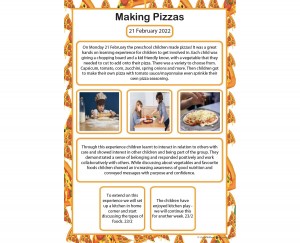
This template is to be used as a learning story when making pizzas.
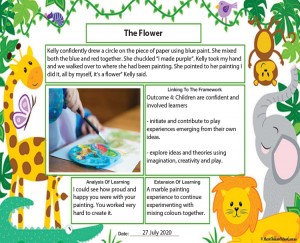
This template is used as a Learning Story.
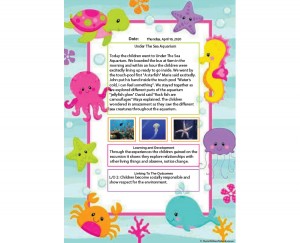
This template can be used by Educators as a Learning Story.
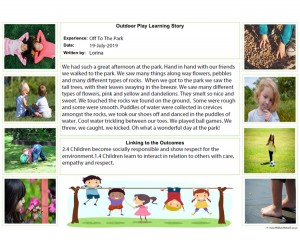
This template is used to write a Learning Story on Outdoor Play for an individual child or a group of children.
 The Children’s Services Award introduces a streamlined classification system and updated pay rates designed to better recognise the skills, qualifications, and responsibilities of early childhood… Read More
 The Children’s Services Award has 8 clear levels. These levels make it easier to understand where you fit, based on your experience, qualifications, and responsibilities.… Read More
 When working as a qualified early childhood teacher (with a university degree) within a service, your rate of pay will come from the Educational Services… Read More
 Diploma-qualified educators play a vital role in early childhood services, taking on responsibilities that range from supporting children’s learning and development to leading rooms and… Read More
 Certificate III qualified educators form the backbone of early childhood services, providing essential care and learning support for children across all settings. Their wages under… Read More
 Early Childhood Teachers (ECTs) play a vital role in leading curriculum and pedagogy in early learning settings. Regulation 272 of the Education and Care Services… Read More
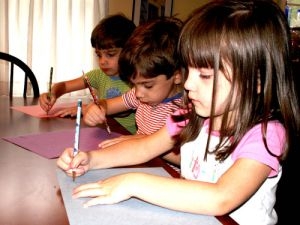 Discover how school readiness programs support children’s independence, confidence, and skills for a successful transition into primary school.
Read More
Discover how school readiness programs support children’s independence, confidence, and skills for a successful transition into primary school.
Read More
 When an Educator is not performing their tasks or responsibilities at best practice, these issues need to be addressed for the Educator to understand where… Read More
 Educators can maximise tax deductions by claiming classroom supplies, training, union fees, and home office costs this financial year.
Read More
Educators can maximise tax deductions by claiming classroom supplies, training, union fees, and home office costs this financial year.
Read More
 A staff appraisal is a formal, systematic process of determining and reviewing the performance of early childhood educators over a period of time, usually a… Read More

Music has always been a powerful tool in OSHC programs—whether it’s setting the tone for...
See more...
March offers a vibrant mix of cultural celebrations, awareness days, and playful observances. These programming...
See more...
National Recycling Week is held on the 13th - 19th Of November. The following provides National...
See more...