The “runny nose test", introduced by former police officer and now early education CEO Kim Clifton, suggests that families can judge a centre’s attentiveness by observing how educators respond to small, everyday needs. The idea is simple: if educators notice and respond to small, everyday needs, like wiping a child’s nose, they demonstrate attentiveness and care.
Trust in early childhood education is built through micro‑moments. Families often judge centres not by policies or paperwork, but by how staff interact with children in ordinary situations. A child’s runny nose, a shoelace untied, or a moment of distress are opportunities to show attentiveness.
When educators respond promptly, they signal to families that children are truly seen. This builds confidence in the centre’s culture of care.
While the “runny nose test” is a useful shorthand, attentiveness goes far deeper than hygiene or comfort. It is about educators being present, observant, and responsive to the whole child.
- Attentiveness is relational: noticing emotions, not just physical needs.
- Attentiveness is consistent: across routines, transitions, and play.
- Attentiveness is professional: balancing care with safeguarding and curriculum goals.
A runny nose may reveal attentiveness, but so does recognising when a child is excluded from play, when frustration is building, or when curiosity sparks a teachable moment.
Practical Implications
For educators, the challenge is to embed attentiveness into every aspect of practice:
- Observation: Watch for subtle cues in behaviour, not just visible needs.
- Responsiveness: Act quickly and kindly, showing children they matter.
- Consistency: Ensure relief staff and casual educators uphold the same standards.
- Communication: Share with families how attentiveness is part of safeguarding and pedagogy.
The “runny nose test” is a powerful metaphor because it reminds us that trust is earned in the smallest details. But as educators, we know attentiveness is broader and deeper than noticing a tissue. It is about being present, responsive, and committed to each child’s wellbeing and learning.
Families may first notice the runny nose, but what truly builds confidence is the educator’s ability to see the whole child, body, mind, and spirit and respond with care.
Further Reading
Improving Parental Engagement In Early Childhood
Educational Leader Guide: How to Engage Families in Early Learning
Engaging Families In Early Childhood Education




 The Children’s Services Award introduces a streamlined classification system and updated pay rates designed to better recognise the skills, qualifications, and responsibilities of early childhood
 The Children’s Services Award has 8 clear levels. These levels make it easier to understand where you fit, based on your experience, qualifications, and responsibilities.
 When working as a qualified early childhood teacher (with a university degree) within a service, your rate of pay will come from the Educational Services
 Diploma-qualified educators play a vital role in early childhood services, taking on responsibilities that range from supporting children’s learning and development to leading rooms and
 Certificate III qualified educators form the backbone of early childhood services, providing essential care and learning support for children across all settings. Their wages under
 Early Childhood Teachers (ECTs) play a vital role in leading curriculum and pedagogy in early learning settings. Regulation 272 of the Education and Care Services
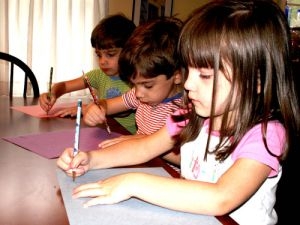 Discover how school readiness programs support children’s independence, confidence, and skills for a successful transition into primary school.
 When an Educator is not performing their tasks or responsibilities at best practice, these issues need to be addressed for the Educator to understand where
 Educators can maximise tax deductions by claiming classroom supplies, training, union fees, and home office costs this financial year.
 A staff appraisal is a formal, systematic process of determining and reviewing the performance of early childhood educators over a period of time, usually a