


At the beginning of the year, children step into a new environment filled with unfamiliar faces, routines, and expectations. By introducing the theme “Building Our Classroom Family,” educators create a safe, welcoming space where every child feels valued, connected, and supported.
This theme emphasises belonging, emotional safety, and community. It helps babies form secure attachments, toddlers learn the joy of helping and sharing, and preschoolers develop empathy and responsibility. Through songs, stories, group activities, and family-centered displays, children begin to see the classroom not just as a place to learn, but as a family where everyone cares for one another.
By weaving this theme into daily practice, educators intentionally nurture identity, celebrate diversity, and strengthen the bridge between home and school. The classroom becomes a family where each child’s uniqueness is honored, and together, they build the foundation for lifelong learning and relationships.

Every educator has witnessed it: a child overwhelmed by emotions so big they spill into the learning space. These moments can feel disruptive, but they are also opportunities. When children learn to regulate emotions with the support of trusted adults, they build resilience, empathy, and lifelong skills for navigating challenges.
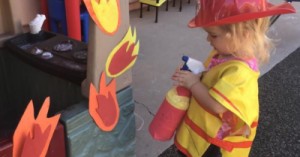
This learning experience is designed to approach the topic gently through play, storytelling, small‑world exploration, and hands‑on creativity. Rather than focusing on danger, it highlights helpers, community care, and nature’s remarkable ability to heal and regrow. The aim is to empower children with knowledge in a developmentally appropriate way, supporting emotional regulation while strengthening their connection to Country and community.
By engaging with familiar materials, calm routines, and open‑ended play, children can explore big ideas safety, responsibility, resilience, and environmental cycles in ways that feel safe, supported, and meaningful. This plan honours children’s voices, respects cultural perspectives on fire and land care, and provides educators with a thoughtful, responsive framework for guiding conversations during bushfire season.

Celebrate global traditions, spark curiosity, and build cultural awareness with this beautifully designed poster set featuring Santa figures from around the world. These posters introduce children to the diverse ways different cultures celebrate the festive season through clothing, colours, names, and unique customs.

Bushfires are a natural part of the Australian landscape, but for young children they can also be confusing, worrying, or emotionally charged—especially when smoke, sirens, or community conversations become part of their daily experience. In early childhood settings, educators play a vital role in helping children make sense of what they see and hear in a way that is safe, honest, and developmentally appropriate.
Talking about bushfires with young children is not about giving detailed information or exposing them to frightening images. Instead, it is about offering calm explanations, reassuring routines, and opportunities for children to express their thoughts through play, art, and conversation. When approached thoughtfully, these discussions can strengthen children’s sense of safety, build resilience, and deepen their understanding of nature, community helpers, and environmental regrowth.

Pattern blocks are a classic early childhood resource, and the Christmas Pattern Block Mats add a joyful seasonal twist that children absolutely love. These printables invite children to create festive images using standard pattern blocks, supporting spatial reasoning, problem‑solving, and shape recognition in a hands‑on, engaging way.
Whether you’re planning Christmas activities, setting up a math provocation, or looking for quiet table tasks during the festive season, these mats are a perfect addition to your program.
Support toddler identity development through choices, routines, relationships, and play. Explore practical examples that build autonomy, belonging, and emotional confidence.
Toddlers develop a strong sense of identity through everyday choices, warm relationships, predictable routines, and meaningful play. When educators intentionally design experiences that honour children’s autonomy, culture, emotions, and social connections, toddlers begin to see themselves as capable, valued, and connected members of their community.
These experiences don’t need to be elaborate. In fact, identity is built most powerfully through repetition, belonging, and being truly seen.

The 10 Free Santa Beard Cutting printables are a simple yet powerful activity designed to help children practice their cutting skills. By trimming Santa’s beard along different types of lines, children engage in a playful, festive task that builds essential developmental skills.
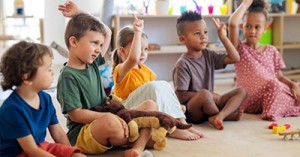
Morning group time sets the tone for the day in early childhood settings. For children aged 3–5, this is a golden opportunity to build belonging, strengthen language, nurture rhythm, and ease transitions into play and learning. A well‑designed group time moves calmly from centering rituals into energising activities, balancing structure with child‑led moments. Below are engaging strategies and examples that educators can adapt to their own classrooms, ensuring mornings feel joyful, connected, and purposeful.
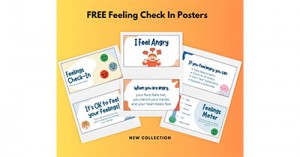
In early childhood settings, emotional literacy is foundational to well-being, learning, and relationships. The free printable Feeling Check-In posters featuring clear visuals, child-friendly language, and actionable strategies offer educators a powerful way to support children in identifying, expressing, and managing their emotions. Whether used during transitions, check-ins, or moments of dysregulation, these posters help embed emotional intelligence into daily practice.
 Toddlers have a greater understanding of the world around them by this stage. Their cognitive development (also known as intellectual development and thinking skills) continues… Read More
 Infants begin to develop trust when parents begin to fulfil their needs. Such as changing an infant's nappy when needed, feeding on request and holding… Read More
 Beginning at birth the construction of thought processes, such as memory, problem solving, exploration of objects etc, is an important part of an infant’s cognitive… Read More
 Toddlers want to do more on their own and do not like it when you begin to establish limits on their behaviour. Tantrums can become… Read More
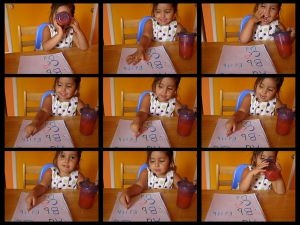 Your preschooler is now able to focus their attention more accurately and is less influenced by distractions. The intensity of questions increase as your child… Read More
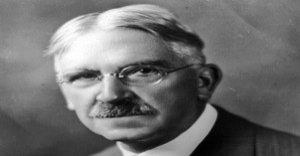 John Dewey is often seen as the proponent of learning by doing – rather than learning by passively receiving. He believed that each child was active,… Read More
 Erik Erikson developed a psychosocial theory to understand how we each develop our identities through eight stages of psychosocial development from infancy to adulthood. The… Read More
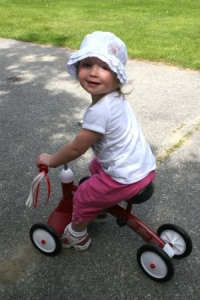 Toddler advance and gains new skills in Gross Motor Development milestones achieved throughout earlier years. Co-ordination and challenges that could not be performed before such… Read More
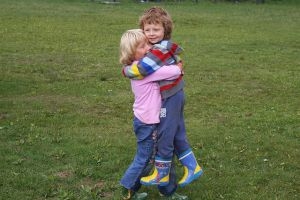 At this point preschoolers begin to interact effectively with others. Play becomes more innovative and organized and “boyfriend” or “girlfriend” begins to emerge. Preschoolers have… Read More
 From now, babies begin to identify and respond to their own feelings, understanding other's feelings & needs and interact positively with others. A baby's social and… Read More
Stimming refers to repetitive movements, sounds, or actions that people use to regulate emotions, manage...
See more...
Preschool aggression: practical strategies for educators to protect children, uphold duty of care, and follow...
See more...
Preparing children for the leap into formal schooling involves more than academic knowledge—it means supporting...
See more...