


Supporting children in OSHC with regulation techniques means creating safe, predictable environments and teaching strategies that help them manage emotions, behaviour, and social interactions. The most effective approaches combine self-regulation, co-regulation, and environmental adjustments tailored to children’s needs.

The My Time, Our Place (MTOP) Framework is designed for school-age care, with five outcomes that guide planning and reflection. Embedding it means linking everyday activities to these outcomes in ways that are intentional, inclusive, and meaningful. Here’s a clear breakdown with activity examples mapped to each outcome.

Transitions are one of the most vulnerable times in OSHC programs. Children move between spaces, activities, or staff supervision, and without structure, these moments can become chaotic. A structured line‑up system provides predictability, safety, and efficiency, ensuring every child is accounted for while fostering calm routines.


Australia is facing a significant shortage in Outside School Hours Care (OSHC), leaving many families—particularly working mothers—struggling to balance employment and childcare responsibilities.

The Educator to Child ratio of 1:15 for OSHC services will now apply in NSW from today (1 October 2018).
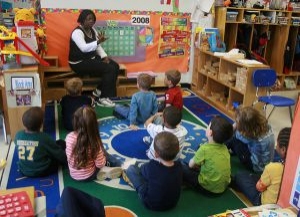 Working as a childcare professional can be a challenge especially when dealing with behavioural problems which may arise. The techniques we use when dealing with… Read More
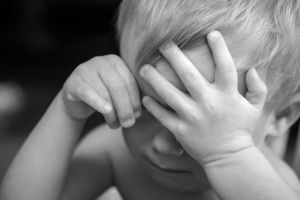 There are different types of behaviour that children can display and sometimes it can be hard to manage, especially if a child is having behavioural… Read More
 As Educators, there will be many instances where you will need to write about a child's behaviour. For a behaviour management plan, assessments, half-yearly or… Read More
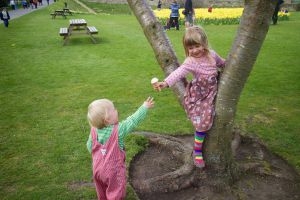 As a parent, your behavioural expectations of your child can be higher than what is actually developmentally appropriate for your child's age.
Read More
As a parent, your behavioural expectations of your child can be higher than what is actually developmentally appropriate for your child's age.
Read More
 As Educators when communicating with Parents (through verbal or non-verbal communication), there will be times where we need to discuss issues or concerns that may… Read More
 Challenging Behaviour is when a child does something that hurts themselves and/or other people.
Read More
Challenging Behaviour is when a child does something that hurts themselves and/or other people.
Read More
 As part of your child's development it is normal for your child to have anxiety and fears. A baby commonly shows a fearful sign to… Read More
 It's always difficult to bring up behavioural issues with parents, it can be nerve wrecking to tell a parent that their child misbehaves but that… Read More
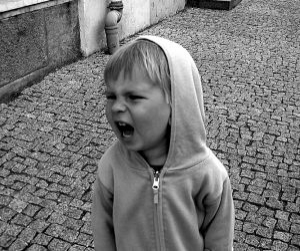 All children deal with anger on a daily basis. Thinking about it as a child, there is a lot to be angry about. Elder people… Read More
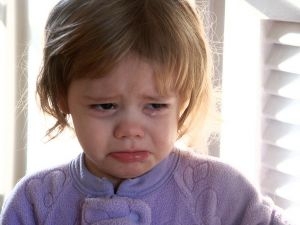 It is important to understand that your child behaviour problems could not just be from attention seeking. There are many factors to take into consideration… Read More

At this age, preschoolers make big progress in gross motor skills such as running, jumping...
See more...
A sense of belonging in a home setting refers to the feeling of being accepted...
See more...
Phonological awareness covers the child’s ability to recognize and use the spoken parts of sentences...
See more...