search aussie childcare network

For decades, “group time” has been treated as a non‑negotiable part of the early childhood day, a ritualised circle where children gather for songs, stories, and shared learning. But as educators become more attuned to children’s emotional needs, sensory profiles, and developmental rhythms, many are asking an important question:

If group time doesn’t work for all children, what do we do instead?

The answer isn’t to remove shared learning altogether. It’s to redesign it. When we step away from the traditional circle, we discover a world of flexible, responsive, deeply meaningful ways for children to connect, communicate, and learn together.

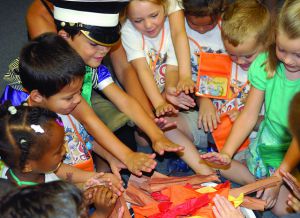
Morning group time sets the tone for the day in early childhood settings. For children aged 3–5, this is a golden opportunity to build belonging, strengthen language, nurture rhythm, and ease transitions into play and learning. A well‑designed group time moves calmly from centering rituals into energising activities, balancing structure with child‑led moments. Below are engaging strategies and examples that educators can adapt to their own classrooms, ensuring mornings feel joyful, connected, and purposeful.

A: Group time is not strictly necessary, but when thoughtfully designed, it can be a powerful tool for fostering connection, communication, and community in early childhood settings.

Child Care Documentation App