



Here are 5 gentle, emotionally intelligent, story-based resources designed to help young children understand body boundaries, safe adults, and protective behaviors.
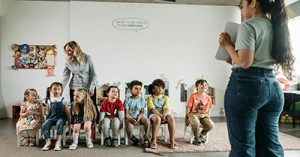
Talking to young children about child protection is one of the most powerful ways to build their sense of safety, agency, and trust. It’s not about instilling fear—it’s about giving them language, confidence, and clarity to navigate their world. Here’s how to approach it with warmth, honesty, and age-appropriate care.

More than two decades after the abduction and murder of 13-year-old Daniel Morcombe, Queensland has introduced landmark legislation aimed at strengthening child protection. Known as Daniel’s Law, the new bill establishes a public child sex offender registry, allowing families and communities to access critical safety information.
South Australia has become the first Australian state to implement a formal ban on mobile phones within early childhood services. The new regulation is designed to address concerns related to child safety, privacy, and professional conduct in early learning environments.

In an outcome met with collective relief, Victorian health authorities have confirmed that all 2000 children tested for sexually transmitted infections (STIs) in connection with alleged pedophile Joshua Dale Brown have returned negative results. The tests were conducted as a precaution after Brown, charged with over 70 offenses involving children aged five months to two years, was found to have worked across 23 childcare centres over an eight-year span.

Simple songs about consent gently introduce children to concepts like body autonomy, boundary-setting, and respectful communication in ways that feel playful, affirming, and easy to remember. By pairing repetitive rhymes with hand motions, call-and-response, and relatable scenarios, these songs help children internalize messages such as “I can say no,” “I ask before I touch,” and “My voice matters.” Whether used in circle time, transition moments, or home routines, they offer educators and families an emotionally safe, joyful way to teach consent from the ground up.
Creating a safe and empowering environment for preschoolers begins with intentional, age-appropriate education around body autonomy, emotional literacy, and help-seeking skills. This article offers a collection of EYLF-aligned, trauma-informed Child Protection activities designed to foster safety, resilience, and voice in young learners.

Join Semann and Slattery for a free webinar on Tuesday, 8th July, on Protecting Children From Paedophiles and Child Abuse, with practical strategies to ensure protective mechanisms are in place.

In NSW, nominated supervisors, persons in day-to-day charge and family day care co-ordinators must complete a child protection course required by a Government protocol, by section 162A of the Children (Education and Care Services) National Law.
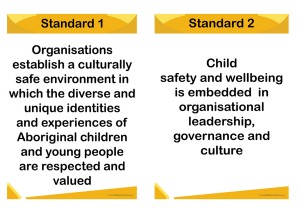
The Victoria's Child Safe Standards Posters are a set of mandatory requirements to protect children and young people from harm and abuse. The new 11 Child Safe Standards came into force in Victoria on 1 July 2022.
 From July 2026, educators under the Children's Services Award, will see both a 5% gender equity increase and a 4.75% annual award rise, with further… Read More
 The Federal Government has announced an extension of the Worker Retention Payment program until June 2028, securing funding for a 15% above‑award wage increase for… Read More
