



The early years are a time of dizzying changes which affect not just the physical growth of the child but also their emotions, communication, sense of self and relationships with the surrounding world. Research has found music, especially through attributes like rhythm and movement can be a great aid in helping children control their reactions, emotions and behaviour. The following article provides information on What Is Self - Regulation, the Links Between Self Regulation and Executive Function, How Music Helps Children Nurture Self Regulation and more.

Among all the changes that impact a child’s early life, one of the most significant is the move from early education and care setting to a full-time school. The change not only involves entirely new people and places but longer schedules, a more structured environment and greater individual responsibility. The following article provides information on supporting children's transition to school including Involving Children and Families, Supporting Continuity Of Learning, Transition Programs and more.
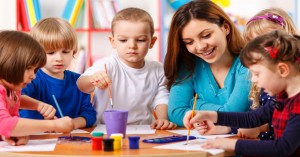
According to EYLF, scaffolding comprises of the educators’ decisions and actions that build on children’s existing knowledge and skills to enhance their learning. In early childhood education, this is one of the most useful learning approaches since it offers guidance when children are learning a skill or concept while also giving them enough room to think and explore on their own. The following article provides information on Scaffolding And Theory, the Benefits Of Scaffolding, the Educator's Role In Scaffolding, Strategies and more.
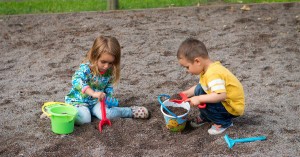
Play is a process that is freely chosen, personally directed and intrinsically motivated. In this sense, children’s play happens when children determine and control the content and intent of their play, following their own instincts, ideas and interests, in their own way for their own reasons. The following article provides an overview of the different roles of educators in play and how each can be best performed in an ECEC setting.

Interactions with children and families lie at the heart of ECEC practices. Early educators as a result may find themselves frequently facing ethical issues which are all too common in professions revolving around human relationships with their spectrum of rights, responsibilities, needs and desires. The following article provides information on Identifying Ethical Issues, Ethical Responsibilities, Case Study and more.

Relationships with carers play a key role in determining a child’s well-being in the earliest years. They have the potential to impact only impact a child’s emotional and social development but also learning in school and later life outcomes. The following article provides information on Why Relationships Matter, Strategies To Implement When Building Relationships, Stages Of Social Development and more. However, for relationships to be meaningful, interactions need to be warm, caring and responsive.

The structure and organisation of a learning environment can have immense impact on all aspects of a child’s development, ranging from physical and cognitive to social and emotional growth. The following article provides information on What Are Interest Areas and Their Benefits, Common Interest Areas, Guidelines For Planning Interest Areas and more.

Creation stories are mythological tales that describe a cultural or religious group’s beliefs about how the universe including its elements and beings was created. The following article provides information on What Are Creation Stories, the Importance Of The Rainbow Serpent and Tiddalik, the Benefits of Creation Stories and How They Can Be Incorporated Into Everyday Learning.

Children need safe and positive environments to learn and grow. To ensure this, services and educators need to ensure effective supervision at all times. The following article provides information on the different aspects of supervision, ranging from regulatory requirements and principles to practice strategies.
Discover how child‑initiated learning empowers agency, creativity, and independence in early childhood education through play, voice, and exploration.
 G8 Education introduces Emmy and Friends consent lessons, teaching 30,000 children body autonomy, safe adults, and protective behaviours nationwide.
Read More
G8 Education introduces Emmy and Friends consent lessons, teaching 30,000 children body autonomy, safe adults, and protective behaviours nationwide.
Read More
 Indigenous preschools play an important role in preserving language, culture, and identity for future generations. A recent story from Australia highlights how early childhood education… Read More
