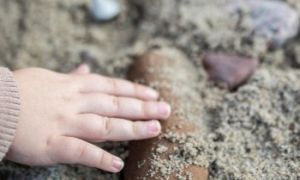
Food play is more than sensory fun, it’s a gateway to learning across math, science, and cultural awareness. By engaging with food in playful, structured ways, children develop problem-solving skills, curiosity about the natural world, and respect for diverse traditions. Cooking activities also nurture fine motor skills, language development, and social collaboration.
Strategies for Educators
Math Integration
- Counting & Measuring: Encourage children to count spoonfuls, measure cups, or weigh ingredients.
- Sorting & Patterns: Group foods by color, shape, or texture to build classification skills.
- Fractions in Action: Slice fruit into halves/quarters during snack time.
- Sequencing Recipes: Use recipe steps to model logical order and procedural thinking.
Science Exploration
- States of Matter: Freeze juice, melt butter, or watch dough rise.
- Chemical Reactions: Mix vinegar and baking soda or yeast in bread.
- Observation Journals: Encourage children to describe textures, smells, and tastes.
- Nutrition Awareness: Compare healthy vs. sugary snacks to introduce biology concepts.
Cultural Awareness
- World Food Days: Prepare simple dishes from different cultures.
- Family Recipe Sharing: Invite families to contribute stories or recipes.
- Festivals & Traditions: Explore foods linked to celebrations (Diwali sweets, Lunar New Year dumplings).
- Language Links: Teach food names in multiple languages to enrich vocabulary.
Practical Classroom Strategies
- Cooking Corners: Set up a safe, play-based cooking station with child-sized utensils.
- Story + Snack: Pair cultural storybooks with related food tastings.
- Math Snack Time: Use fruit fractions or “how many pieces” games during meals.
- Science Lab with Food: Sprout beans, freeze juice, or observe bread rising.
- Cultural Calendar: Align cooking activities with cultural festivals celebrated in your community.
Activity Ideas
- Fruit Salad Fractions: Children cut fruit into halves/quarters, then combine into a shared salad.
- Bread Rising Experiment: Compare dough with and without yeast, observe changes over time.
- Rice Sorting Challenge: Sort grains (white, brown, wild rice) by size and color.
- Family Recipe Book: Collect simple recipes from families and create a classroom cookbook.
- Festival Food Exploration: Cook or taste a dish linked to a cultural celebration, paired with storytelling.
- Pasta Patterns: Children thread pasta shapes onto strings to create repeating patterns.
- Snack Graphing: Use tally marks to record favorite fruits, then build a bar graph together.
- Ingredient Estimation: Guess how many spoonfuls of rice fill a cup, then test it.
- Shape Hunt in Lunchboxes: Identify circles (apple slices), triangles (sandwich halves), rectangles (crackers).
- Colour Change Experiment: Mix red cabbage juice with lemon juice and baking soda to explore pH changes.
- Sprout Station: Grow mung beans or lentils in jars, observing daily changes.
- Melting Race: Place butter, chocolate, and ice in the sun—observe which melts fastest.
- Floating & Sinking: Test which foods (grapes, oranges, bread) float or sink in water.
- International Breakfast Week: Explore simple breakfasts from around the world (e.g., porridge, flatbread, fruit).
- Food Flags: Use fruit and vegetables to recreate simple versions of national flags.
- Cooking Stories: Pair a cultural folktale with a related food (e.g., Anansi stories with plantains).
- Language Labels: Label foods in multiple languages and practice pronunciation with children.
- Food Art Collage: Use dried beans, pasta, and seeds to make cultural patterns or mosaics.
- Music & Rhythm with Utensils: Explore cultural songs while tapping spoons or bowls.
- Food Texture Painting: Dip vegetables (okra, corn cobs) in paint to stamp patterns.
- Role Play Café: Children set up a pretend café, taking orders, “cooking,” and serving meals.
Extension Ideas for Educators
- Link food play to EYLF outcomes:
- Outcome 2: Children are connected with and contribute to their world (cultural food sharing).
- Outcome 4: Children are confident and involved learners (measuring, experimenting).
- Outcome 5: Children are effective communicators (storytelling, recipe sharing).
- Use documentation templates to record children’s observations, drawings, and reflections.
- Create a class recipe book with photos, child quotes, and family contributions.
Further Reading
Non Food Tactile Play Ideas
Recipes To Dye Pasta
50 Fine Motor Skills Activities



 Open ended questions cannot be responded to with one word answers such as yes or no. These types of questions enables a child to provide
 During your child’s preschool years, an important milestone begins to emerge. This is the development of pre-writing skills. Pre-writing skills are used to encourage, develop
 An Acknowledgment of the Country is a way of showing respect for the Traditional Owners and can be given by both non-Indigenous people and Aboriginal
 Open ended materials enables children to play freely. They are objects that have no rules to follow, use or function. Raw materials that can be
 Language plays an important role in a child’s development. It enables a child to communicate effectively with their family, learn at school, socialize with friends,
 Like adults, children have to deal with their own stress in life. Moving house, starting a new school, preparing for a new sibling - these are
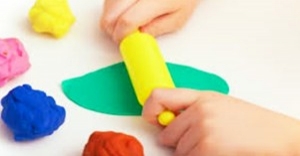 Playdough is such a versatile material. It provides numerous benefits to children as they manipulate it, it is safe and soothing and provides children with
 Teaching children about sustainability enables them to appreciate and respect the natural environment. Early childhood services can provide meaningful hand on learning experiences in order
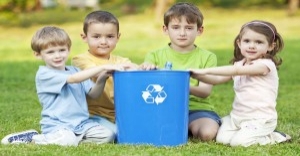 Recycling is an important concept that teaches children to care for the environment. It encourages children to be responsible and show a growing appreciating for
 Incursions provide children with the opportunity to explore meaningful learning experiences in the comfort of their early childhood service. The following provides a directory of