


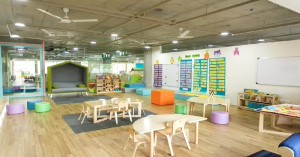
The structure and organisation of a learning environment can have immense impact on all aspects of a child’s development, ranging from physical and cognitive to social and emotional growth. The following article provides information on What Are Interest Areas and Their Benefits, Common Interest Areas, Guidelines For Planning Interest Areas and more.

Among the most challenging transitions in early childhood is when children start staying away from their parents for longer periods of time than they have been used to till then. For Educators caring for babies and toddlers who are having a particularly bad time leaving their parents, the following article provides information on What Is Separation Anxiety, Factors that Can Cause Separation Anxiety, Separation Anxiety Signs, How To Manage Separation Anxiety When To Seek Help and more.

Children need safe and positive environments to learn and grow. To ensure this, services and educators need to ensure effective supervision at all times. The following article provides information on the different aspects of supervision, ranging from regulatory requirements and principles to practice strategies.

Aggression is a type of behaviour that is triggered by the intention of causing harm to another person who wishes to avoid that harm. Violence is an extreme subtype of aggression, a physical behaviour with the intention of permanently injuring another person. The following article will provide information on What Is Aggressive Behaviour, Prevention Strategies, Intervention Strategies and more.

Effective communication can be understood as communication between two or more persons wherein the intended message is successfully delivered, received and understood. Since so much of the work in an early childhood education and care setting consists of listening, understanding and exchanging insights, effective communication makes up one of the key tools in the skill set for anyone running and/or leading a centre. The following article provides information on How Effective Communication Help, Basic Steps Of Effective Communication, Modes Of Communication, Difficult Conversations and more.

Critical reflection has been explained in the EYLF as reflective practices that focus on implications for equity and social justice. In the context of childcare, it involves examining and analysing events, experiences and practices from a range of perspectives to inform future planning and decision-making. The following article provides information on Engaging In Critical Reflections, Questions For Critical Reflections, Practicing Critical Reflections and more.

Redirection is among the most effective proactive behaviour guidance methods in young children. It consists of simple cues or instructions that prevent problem behaviours from escalating and help children to be more engaged in their learning. The following article provides information on How Redirecting Behaviour Help, Types Of Redirecting Behaviour, Redirecting Behaviour Strategies and more.

Emotional or physical distress can add to the challenges of caring for children in a service setting. Toddlers' brains are not yet developed to rationalize situations and regulate the emotions they feel. The following article provides strategies you can use to comfort and soothe a toddler.

Staff appraisals are key to maintaining high standards in early childhood services. The following article provides information on What Is A Staff Appraisal, Components Of Staff Appraisal includes Key Performance Indicators, Preparing For Meetings, Mid Year Review and more.

Mixed-age groups refer to settings that bring together children aged three to five years old. Since children at different points in this age range may have different skills and abilities, working with mixed age groups may require service providers and educators to be more intentional in designing practices that meet the learning needs of all children. The following provides information on the Benefits Of Mixed Age Groups, Strategies For Working With Mixed Age Groups and more.
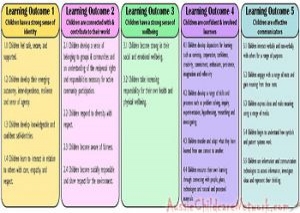 Here is the list of the EYLF Learning Outcomes that you can use as a guide or reference for your documentation and planning. The EYLF… Read More
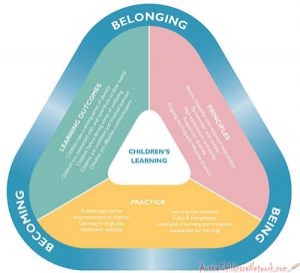 The EYLF is a guide which consists of Principles, Practices and 5 main Learning Outcomes along with each of their sub outcomes, based on identity,… Read More
 This is a guide on How to Write a Learning Story. It provides information on What Is A Learning Story, Writing A Learning Story, Sample… Read More
 One of the most important types of documentation methods that educators needs to be familiar with are “observations”. Observations are crucial for all early childhood… Read More
 To support children achieve learning outcomes from the EYLF Framework, the following list gives educators examples of how to promote children's learning in each individual… Read More
 Reflective practice is learning from everyday situations and issues and concerns that arise which form part of our daily routine while working in an early… Read More
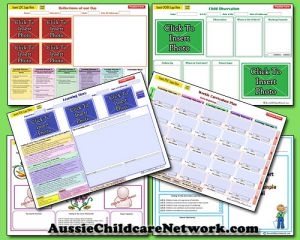 Within Australia, Programming and Planning is reflected and supported by the Early Years Learning Framework. Educators within early childhood settings, use the EYLF to guide… Read More
 When observing children, it's important that we use a range of different observation methods from running records, learning stories to photographs and work samples. Using… Read More
 This is a guide for educators on what to observe under each sub learning outcome from the EYLF Framework, when a child is engaged in… Read More
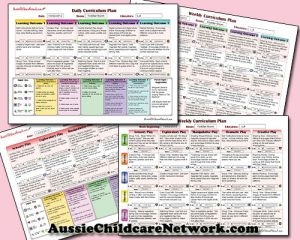 The Early Years Learning Framework describes the curriculum as “all the interactions, experiences, activities, routines and events, planned and unplanned, that occur in an environment… Read More

Quality Area 1 of the National Quality Standard focuses on ensuring that the educational program...
See more...
Negative framing and brain-building language shape how children perceive themselves, their abilities, and their learning...
See more...
Age-appropriate cooking is one of the most effective ways to instil healthy eating in children...
See more...