



A: A photo observation in early childhood education is a visual documentation method used to capture a child's learning, development, and experiences.
A: When analysing observations, selecting the right learning outcome depends on several factors:
Coming up with extension ideas during early childhood observations involves identifying ways to build on a child's interests, skills, and developmental needs. The following article provides strategies and examples of extension ideas.

A: The essence of reflection lies in its depth and authenticity—a well-articulated reflection can transport the reader into the moment, spark emotions, and leave lasting lessons. The joy of learning, perseverance, discovery, and growth breathe life into the concept of reflection, the kind that celebrates the humanity and unpredictability of education and development. It’s not about ticking boxes; it’s about telling tales of triumphs, struggles, and the endless curiosity that fuels progress. Here are some ideas to make reflections more inspiring and impactful:

A: An anecdotal record is a type of observational documentation used in education, early childhood development, and research to capture significant moments or behaviors of an individual in a natural setting. It is a brief, narrative account that describes what was observed, without interpretation or analysis.
It's not necessary—or even always advisable—to celebrate every significant cultural event on the calendar each month. Instead, think of your seasonal or monthly celebrations as a curated tapestry, where each thread is carefully chosen for its relevance, impact, and ability to resonate with the children and their communities. The following article provides Key Considerations when selecting monthly celebrations, When Does It Become Tokenistic, Questions To Ask To Decide Which Significant Monthly Cultural Event To Celebrate and more.

Guidance on deepening educator reflections for practice improvement. Encourages critical reflection.

A: Writing an observation for child learning development can feel tricky at first, but once you get the hang of it, it becomes much easier! The key is to focus on what you see and hear, rather than interpreting how the child might feel. Here are some steps to help you improve:

A: A jotting observation is a concise and informal way to document significant events, behaviors, or interactions. These observations are typically brief, focusing on specific moments rather than a sequence of events. They provide a snapshot of a child's interests, development, or skills and can be recorded in various formats, such as notebooks or post-it notes.

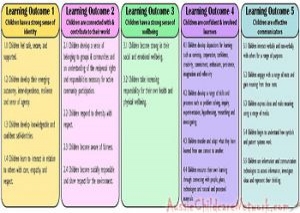 Here is the list of the EYLF Learning Outcomes that you can use as a guide or reference for your documentation and planning. The EYLF… Read More
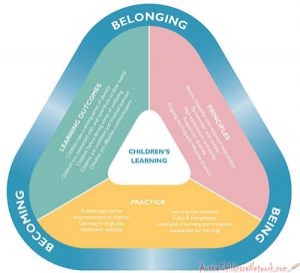 The EYLF is a guide which consists of Principles, Practices and 5 main Learning Outcomes along with each of their sub outcomes, based on identity,… Read More
 This is a guide on How to Write a Learning Story. It provides information on What Is A Learning Story, Writing A Learning Story, Sample… Read More
 One of the most important types of documentation methods that educators needs to be familiar with are “observations”. Observations are crucial for all early childhood… Read More
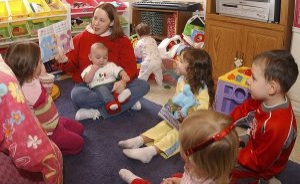 To support children achieve learning outcomes from the EYLF Framework, the following list gives educators examples of how to promote children's learning in each individual… Read More
 Reflective practice is learning from everyday situations and issues and concerns that arise which form part of our daily routine while working in an early… Read More
 When observing children, it's important that we use a range of different observation methods from running records, learning stories to photographs and work samples. Using… Read More
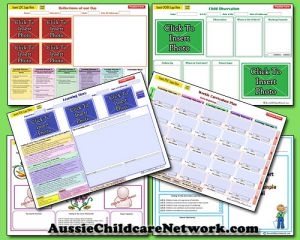 Within Australia, Programming and Planning is reflected and supported by the Early Years Learning Framework. Educators within early childhood settings, use the EYLF to guide… Read More
 This is a guide for educators on what to observe under each sub learning outcome from the EYLF Framework, when a child is engaged in… Read More
 The Early Years Learning Framework describes the curriculum as “all the interactions, experiences, activities, routines and events, planned and unplanned, that occur in an environment… Read More
Transitions are one of the most vulnerable times in OSHC programs. Children move between spaces...
See more...
Risky play in OOSH services is encouraged as a way to build children’s confidence, resilience...
See more...
On the 11th Of November is Remembrance Day. The following provides Remembrance Day Templates and FREE...
See more...