July brings a vibrant mix of cultural celebrations, awareness days, and community-focused events that provide rich opportunities for early childhood programming. By weaving these occasions into everyday experiences, educators can foster children’s curiosity, creativity, and sense of belonging, offering practical ways to connect learning with meaningful celebrations throughout the month.
Daily Observances
-
Joke Circle – Children share their funniest jokes with peers.
-
Joke Writing – Older children create their own jokes and illustrate them.
-
Funny Faces Game – Make silly expressions and guess emotions.
-
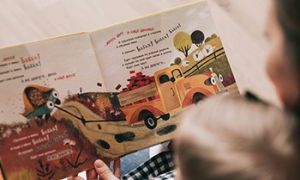
Comedy Storytime – Read humorous picture books like Don’t Let the Pigeon Drive the Bus.
-
Laughter Yoga – Simple breathing and giggling exercises.
-
EYLF Outcomes: Outcome 1 (sense of identity through humor), Outcome 3 (well-being), Outcome 5 (communication through storytelling).
World UFO Day – 2 July
-
Alien Craft – Create UFOs with paper plates and foil.
-
Space Role Play – Pretend to be astronauts meeting aliens.
-
Storytelling Circle – Children invent their own UFO encounter stories.
-
Galaxy Art – Paint swirling galaxies with sponges.
-
Science Chat – Discuss stars, planets, and the idea of “life beyond Earth.”
-
EYLF Outcomes: Outcome 2 (awareness of the world), Outcome 4 (creativity and problem-solving), Outcome 5 (communication through imaginative play).
International Plastic Bag Free Day – 3 July
-
Bag Sorting Game – Sort plastic, paper, and cloth bags.
-
Eco-Bag Craft – Decorate reusable cloth bags with fabric paint.
-
Storytime – Read Michael Recycle.
-
Recycling Relay – Children race to place items in correct bins.
-
Discussion Circle – Talk about how to care for the environment.
-
EYLF Outcomes: Outcome 2 (environmental responsibility), Outcome 3 (healthy practices), Outcome 4 (problem-solving through sorting).
Alice in Wonderland Day – 4 July
-
Mad Hatter Tea Party – Pretend play with cups, saucers, and costumes.
-
Character Dress-Up – Children dress as Alice, the Queen of Hearts, or the White Rabbit.
-
Storytime – Read excerpts from Alice’s Adventures in Wonderland.
-
Wonderland Maze – Create a simple obstacle course inspired by the story.
-
Creative Art – Paint “magic doors” or “giant mushrooms.”
-
EYLF Outcomes: Outcome 1 (identity through role play), Outcome 4 (creativity and imagination), Outcome 5 (literacy through classic literature).
NAIDOC Week – 5–12 July
-
Indigenous Art – Dot painting with natural colours.
-
Storytelling Circle – Share Dreamtime stories.
-
Music Exploration – Listen to didgeridoo sounds.
-
Land Connection Walk – Explore local nature and discuss respect.
-
Cultural Dance – Movement inspired by Aboriginal traditions.
-
EYLF Outcomes: Outcome 1 (identity and respect), Outcome 2 (cultural connection), Outcome 5 (communication through music and story).
World Chocolate Day – 7 July
-
Chocolate Tasting – Compare milk, dark, and white chocolate.
-
Chocolate Playdough – Scented dough for sensory play.
-
Chocolate Painting – Use cocoa mixed with water as paint.
-
Storytime – Read Charlie and the Chocolate Factory.
-
Chocolate Shop Role Play – Pretend play with toy coins and wrappers.
-
EYLF Outcomes: Outcome 2 (food diversity), Outcome 3 (sensory well-being), Outcome 5 (literacy through story).
Teddy Bears Picnic Day – 10 July
-
Picnic Role Play – Children bring their teddy bears and set up a pretend picnic with blankets, baskets, and play food.
-
Bear Storytime – Read classics like We’re Going on a Bear Hunt or Corduroy.
-
Teddy Bear Parade – Children walk around with their bears, introducing them to peers.
-
Picnic Songs – Sing “Teddy Bears’ Picnic” and other fun tunes.
-
Bear Craft – Make paper teddy bear masks or collage bears with fabric scraps.
-
EYLF Outcomes: Outcome 1 (sense of identity through special toys), Outcome 2 (community and belonging), Outcome 3 (well-being through imaginative play), Outcome 5 (communication through story and song).
World Population Day – 11 July
-
Population Counting Game – Use blocks to represent people.
-
World Map Exploration – Show population density areas.
-
Community Role Play – Pretend to be different community helpers.
-
Discussion Circle – Talk about fairness and resources.
Poster Making – Children design “Our Growing World” posters.
-
EYLF Outcomes: Outcome 2 (community awareness), Outcome 4 (numeracy), Outcome 5 (communication through art).
Bastille Day – 14 July
-
French Flag Craft – Children paint or collage the tricolour flag.
-
French Food Tasting – Sample croissants or baguettes (adapted for dietary needs).
-
Storytime – Share simple tales about French culture or the Revolution.
-
Parade Role Play – Children march with handmade flags and drums.
-
Art Exploration – Create Eiffel Tower drawings or models.
-
EYLF Outcomes: Outcome 1 (identity through cultural awareness), Outcome 2 (community and diversity), Outcome 5 (communication through art and story).
Shark Awareness Day – 14 Jul
-
Shark Craft – Make sharks from paper plates or cardboard tubes.
-
Ocean Diorama – Build small underwater scenes with fish and coral.
-
Movement Game – Children “swim” like sharks and fish in a chase game.
-
Storytime – Read The Three Little Fish and the Big Bad Shark.
-
Discussion Circle – Talk about why sharks are important for ocean health.
-
EYLF Outcomes: Outcome 2 (environmental responsibility), Outcome 3 (physical well-being through movement), Outcome 5 (communication through storytelling).
World Snake Day – 16 July
-
Snake Craft – Paper chain snakes.
-
Snake Movement Game – Children slither like snakes.
-
Storytime – Read The Greedy Python.
-
Snake Habitat Diorama – Create desert or jungle scenes.
-
Safety Talk – Discuss respecting wildlife.
-
EYLF Outcomes: Outcome 2 (environmental awareness), Outcome 3 (movement and well-being), Outcome 5 (literacy).
National Pyjama Day – 19 July
-
Pyjama Parade – Children show off their favourite PJs in a fun walk around the room.
-
Bedtime Storytime – Read comforting bedtime classics like Goodnight Moon or Guess How Much I Love You.
-
Pillow Craft – Decorate paper pillows or make mini fabric cushions.
-
Pyjama Dance Party – Gentle movement activities in PJs with soft music.
-
Discussion Circle – Talk about the importance of helping children in foster care and how fundraising supports learning.
-
EYLF Outcomes: Outcome 1 (identity through personal choice of clothing), Outcome 2 (community awareness and empathy), Outcome 3 (well-being through relaxation and fun), Outcome 5 (communication through story and discussion).
International Tiger Day – 29 July
-
Tiger Mask Craft – Children design and decorate tiger masks with orange, black, and white colours.
-
Tiger Movement Game – Pretend play where children crawl, pounce, and stalk like tigers.
-
Storytime – Read books such as The Tiger Who Came to Tea.
-
Habitat Diorama – Create jungle scenes with toy animals and plants.
-
Discussion Circle – Talk about why tigers are endangered and how we can help protect them.
-
EYLF Outcomes: Outcome 2 (environmental responsibility), Outcome 3 (physical well-being through movement), Outcome 5 (communication through storytelling and discussion).
Crazy Hair Day – 29 July
-
Crazy Hair Parade – Children show off their wild hairstyles or wigs.
-
Hair Craft – Make paper hair collages with yarn, ribbons, or coloured paper.
-
Storytime – Read fun books like Crazy Hair by Neil Gaiman.
-
Photo Booth – Take silly photos with props and crazy hair.
-
Discussion Circle – Talk about fundraising and how events like this support children with cystic fibrosis.
-
EYLF Outcomes: Outcome 1 (identity through self-expression), Outcome 2 (community awareness and empathy), Outcome 3 (well-being through fun and creativity), Outcome 5 (communication through story and discussion).
International Friendship Day – 30 July
-
Friendship Bracelets – Thread beads or wool.
-
Friendship Circle – Share kind words with peers.
-
Collaborative Art – Group mural painting.
-
Storytime – Read Rainbow Fish.
-
Friendship Songs – Sing “Make New Friends.”
-
EYLF Outcomes: Outcome 1 (social identity), Outcome 3 (well-being through relationships), Outcome 5 (communication through song and story).
Please like/follow our Aussie Childcare Network Facebook page to receive event and celebration activity ideas, resources, and documentation templates for child portfolios, and more.


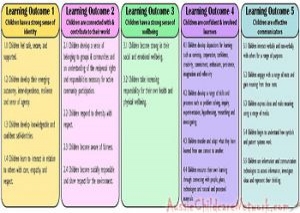 Here is the list of the EYLF Learning Outcomes that you can use as a guide or reference for your documentation and planning. The EYLF
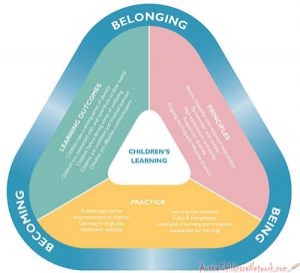 The EYLF is a guide which consists of Principles, Practices and 5 main Learning Outcomes along with each of their sub outcomes, based on identity,
 This is a guide on How to Write a Learning Story. It provides information on What Is A Learning Story, Writing A Learning Story, Sample
 One of the most important types of documentation methods that educators needs to be familiar with are “observations”. Observations are crucial for all early childhood
 To support children achieve learning outcomes from the EYLF Framework, the following list gives educators examples of how to promote children's learning in each individual
 Reflective practice is learning from everyday situations and issues and concerns that arise which form part of our daily routine while working in an early
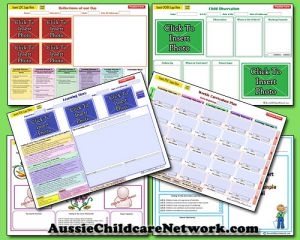
 When observing children, it's important that we use a range of different observation methods from running records, learning stories to photographs and work samples. Using
 Within Australia, Programming and Planning is reflected and supported by the Early Years Learning Framework. Educators within early childhood settings, use the EYLF to guide
 This is a guide for educators on what to observe under each sub learning outcome from the EYLF Framework, when a child is engaged in
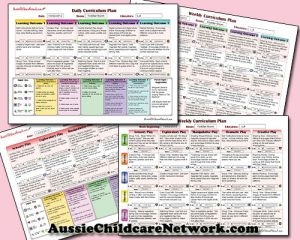 The Early Years Learning Framework describes the curriculum as “all the interactions, experiences, activities, routines and events, planned and unplanned, that occur in an environment